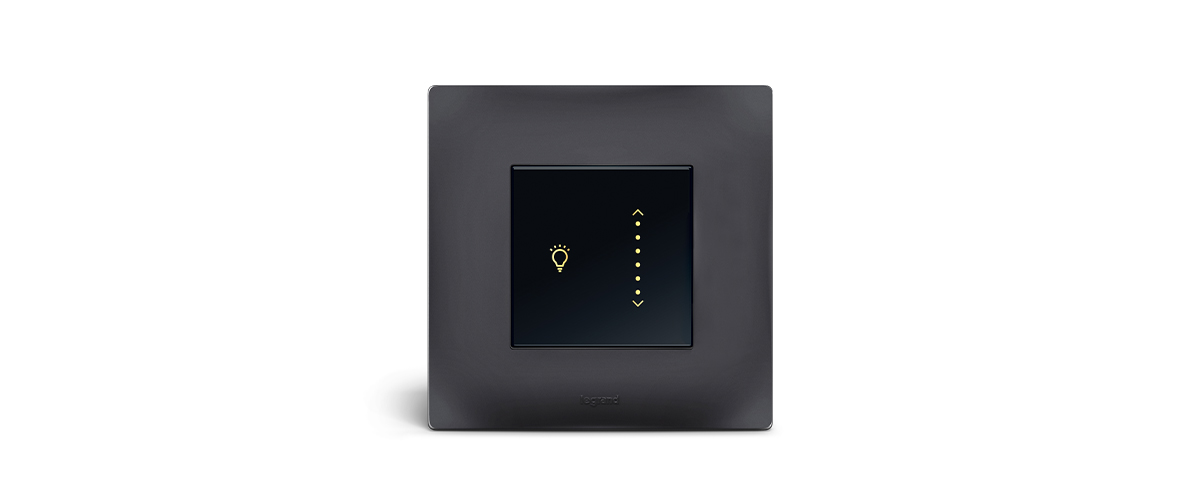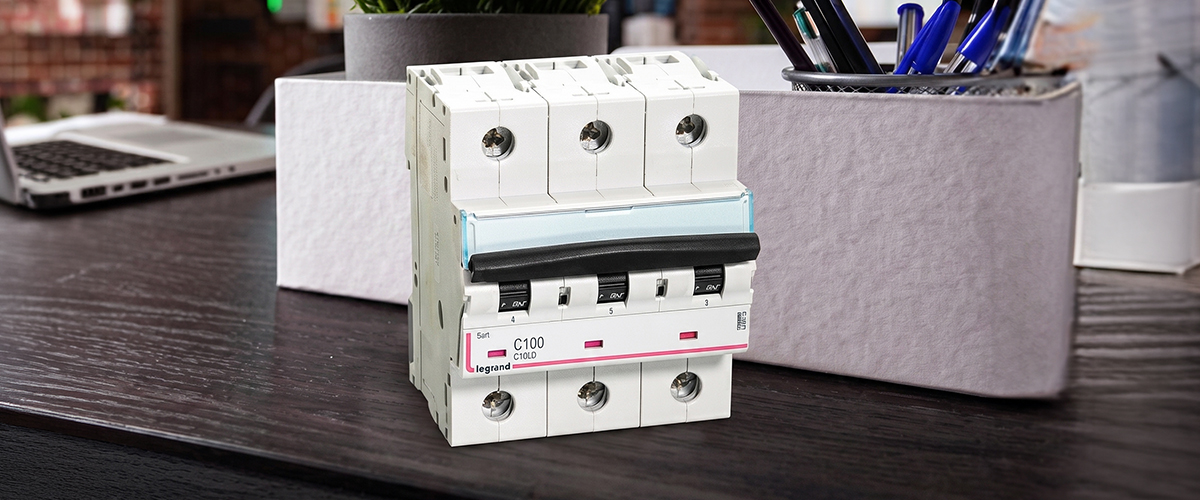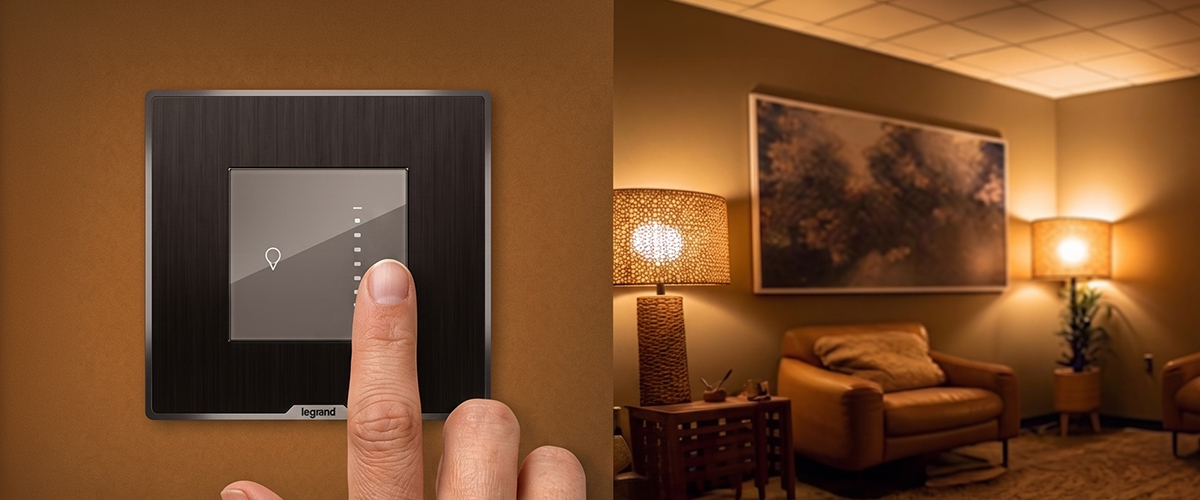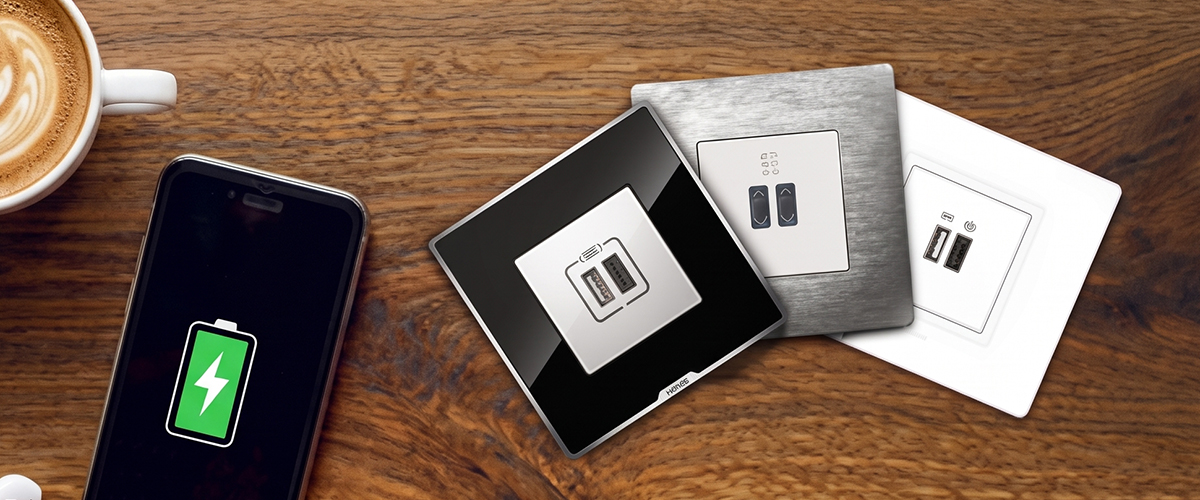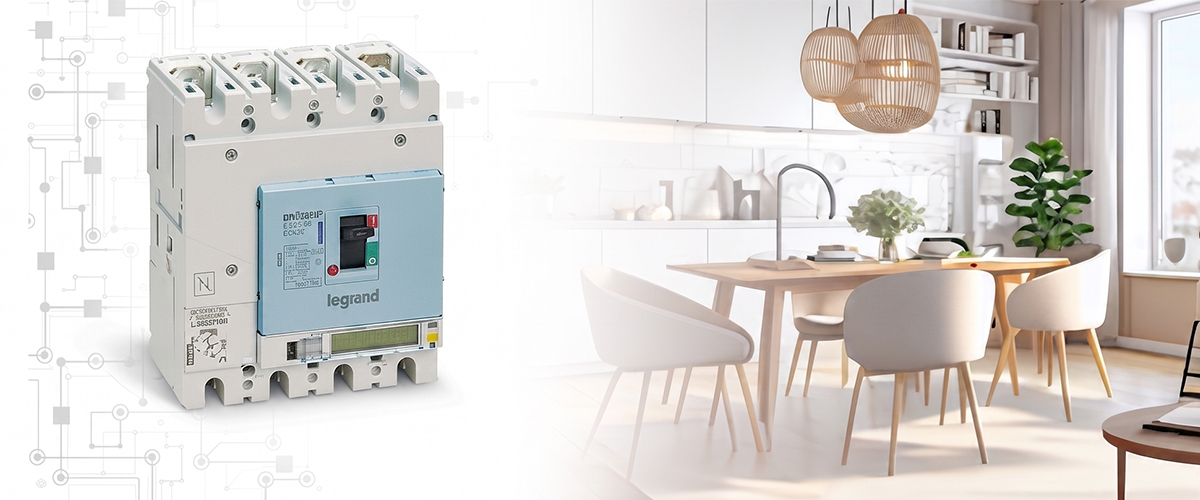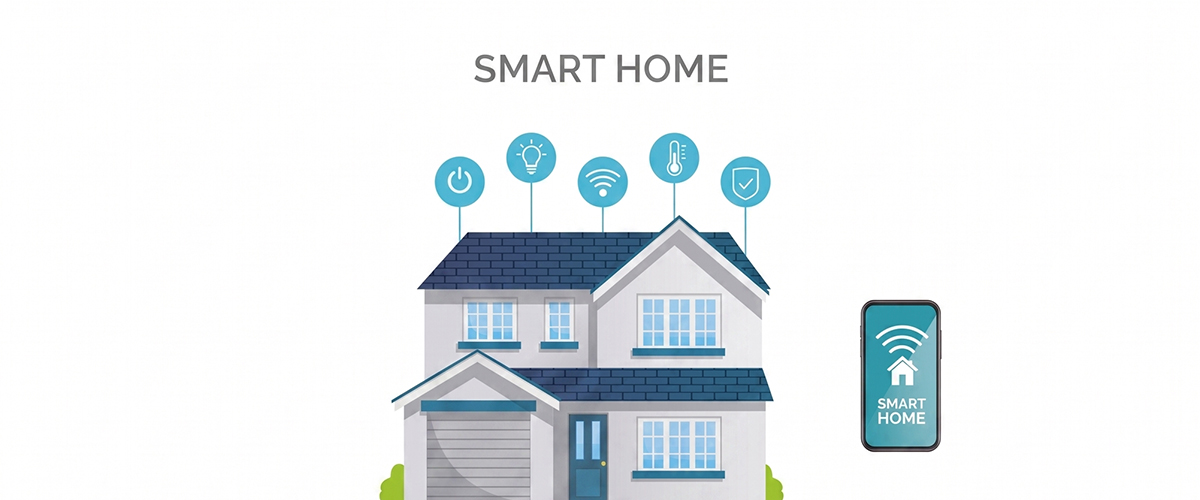


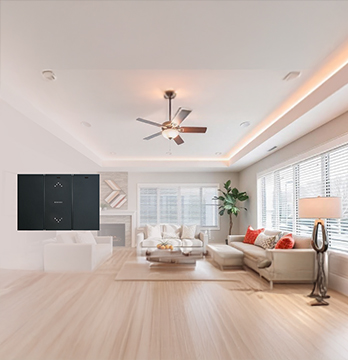
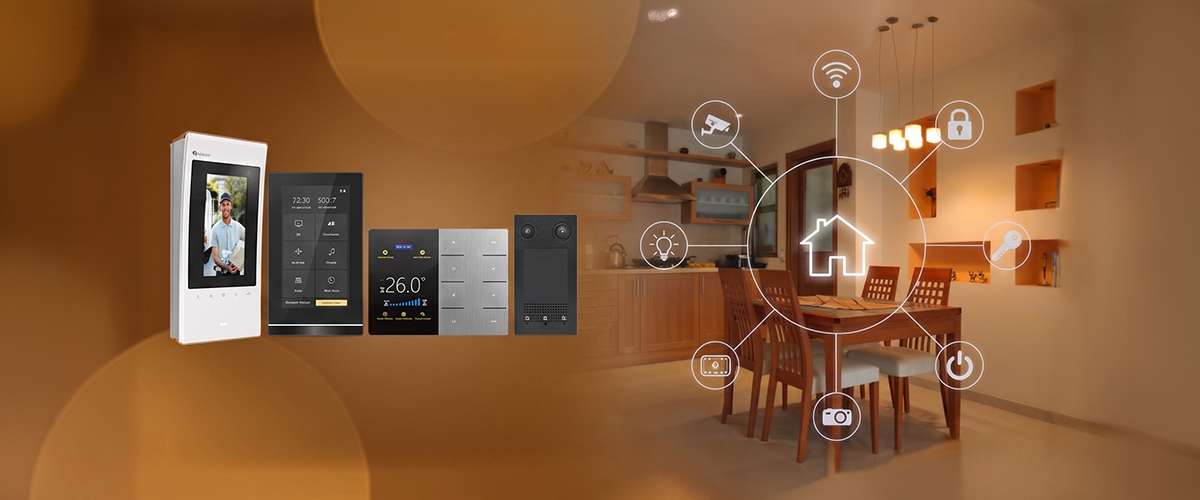
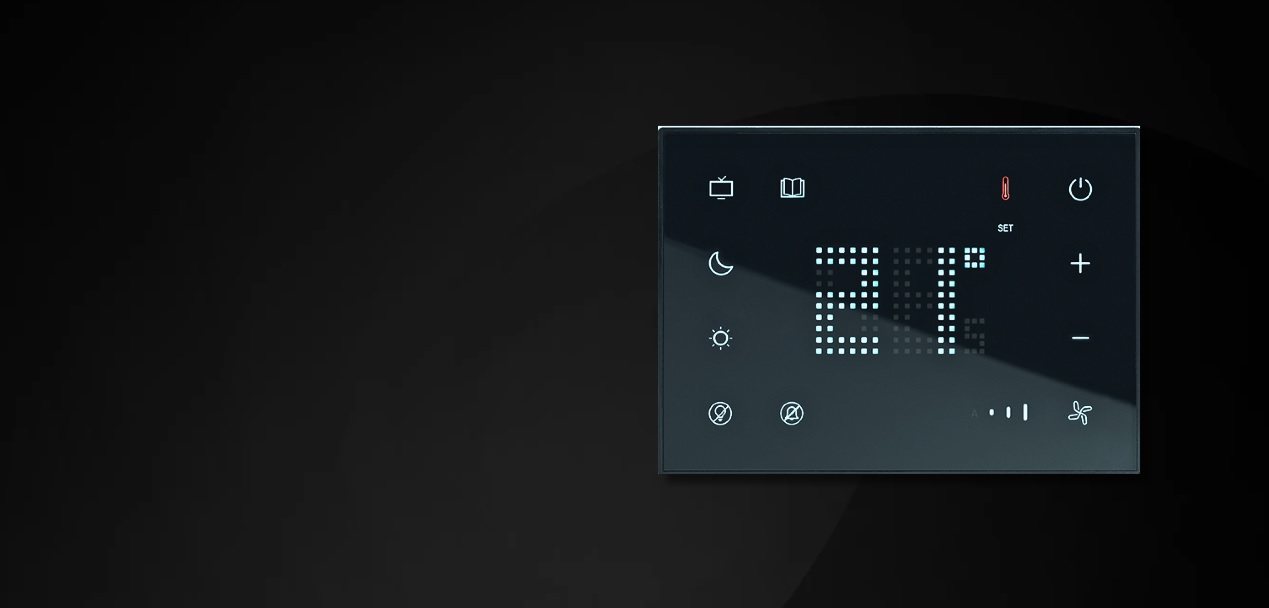
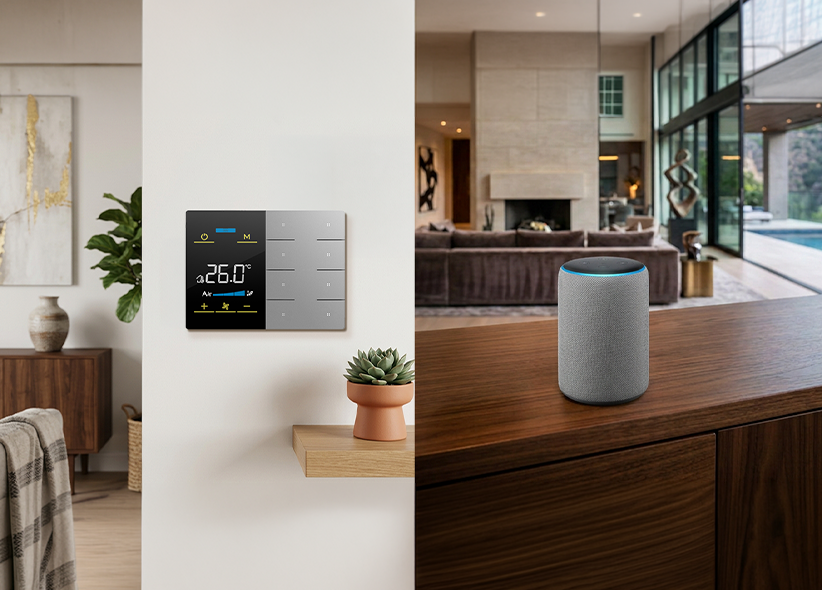
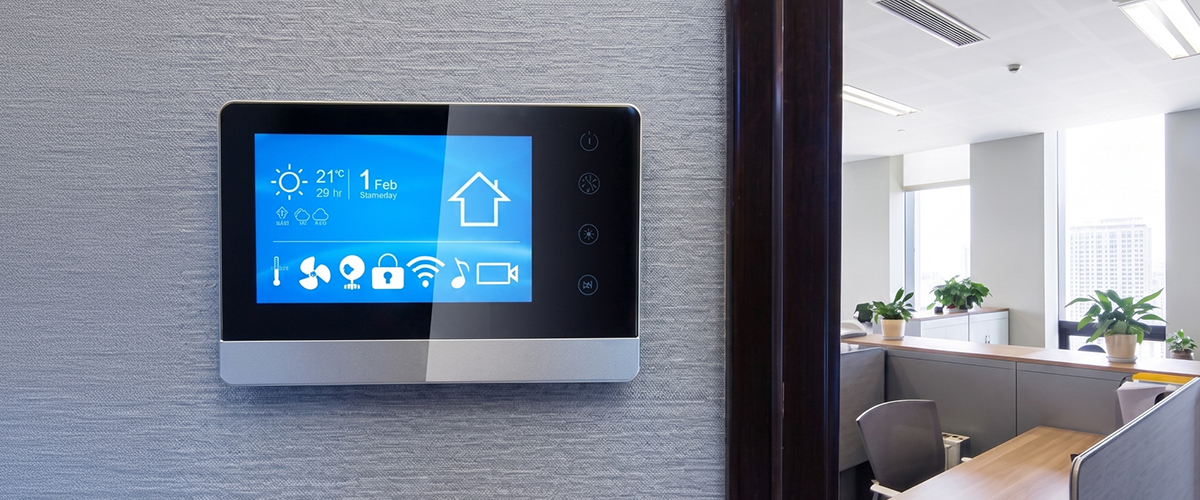
Range of accessories to enrich your living environment with enhanced user control
KNOW MORE
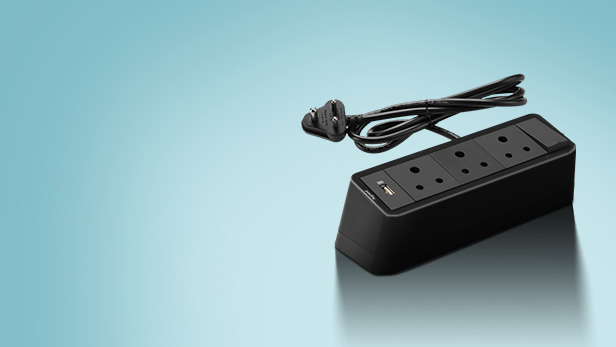
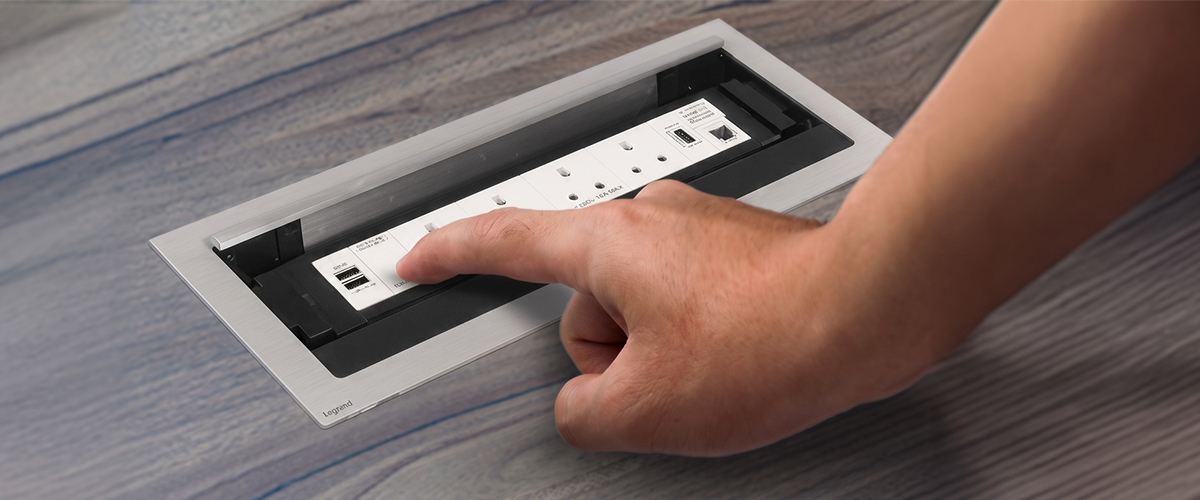
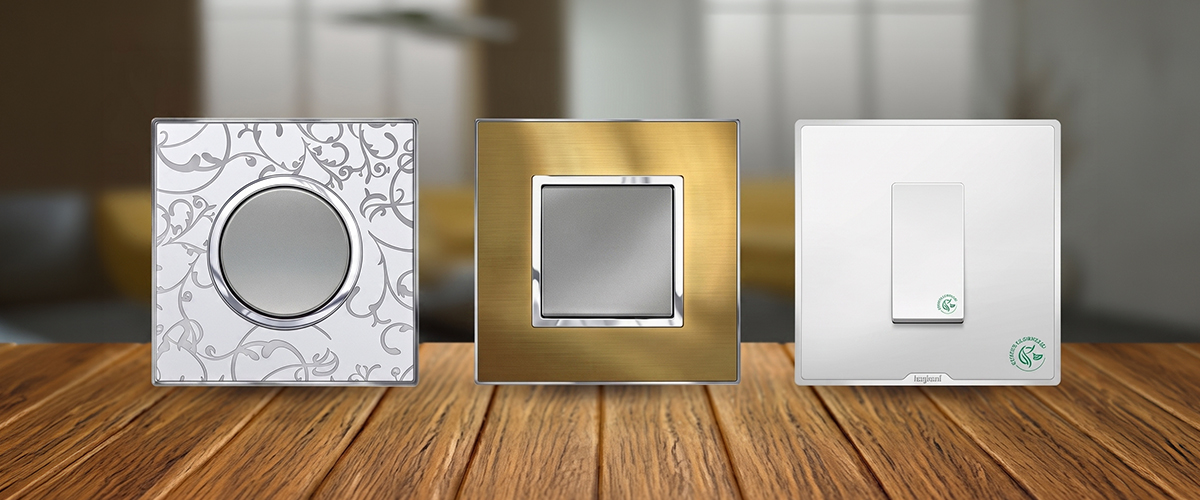
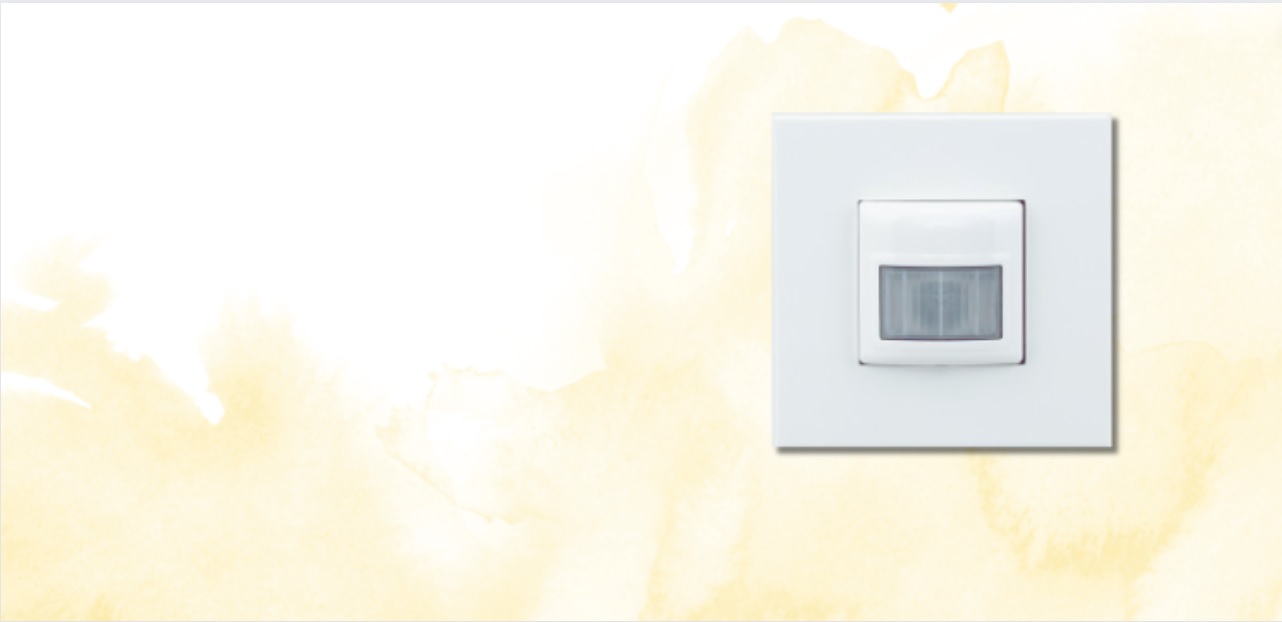
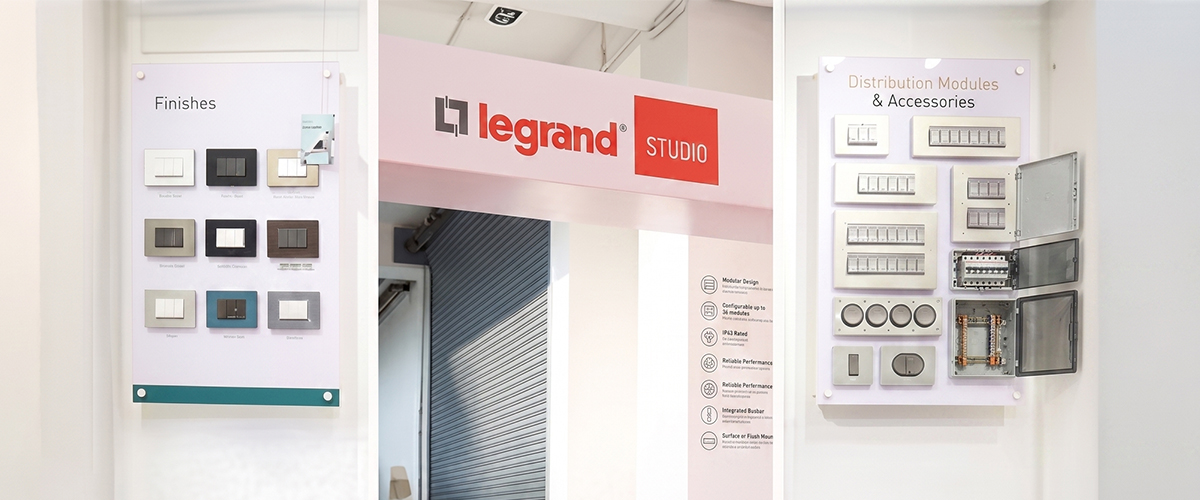
Curated Modular Switch Panels and Pop Up Boxes
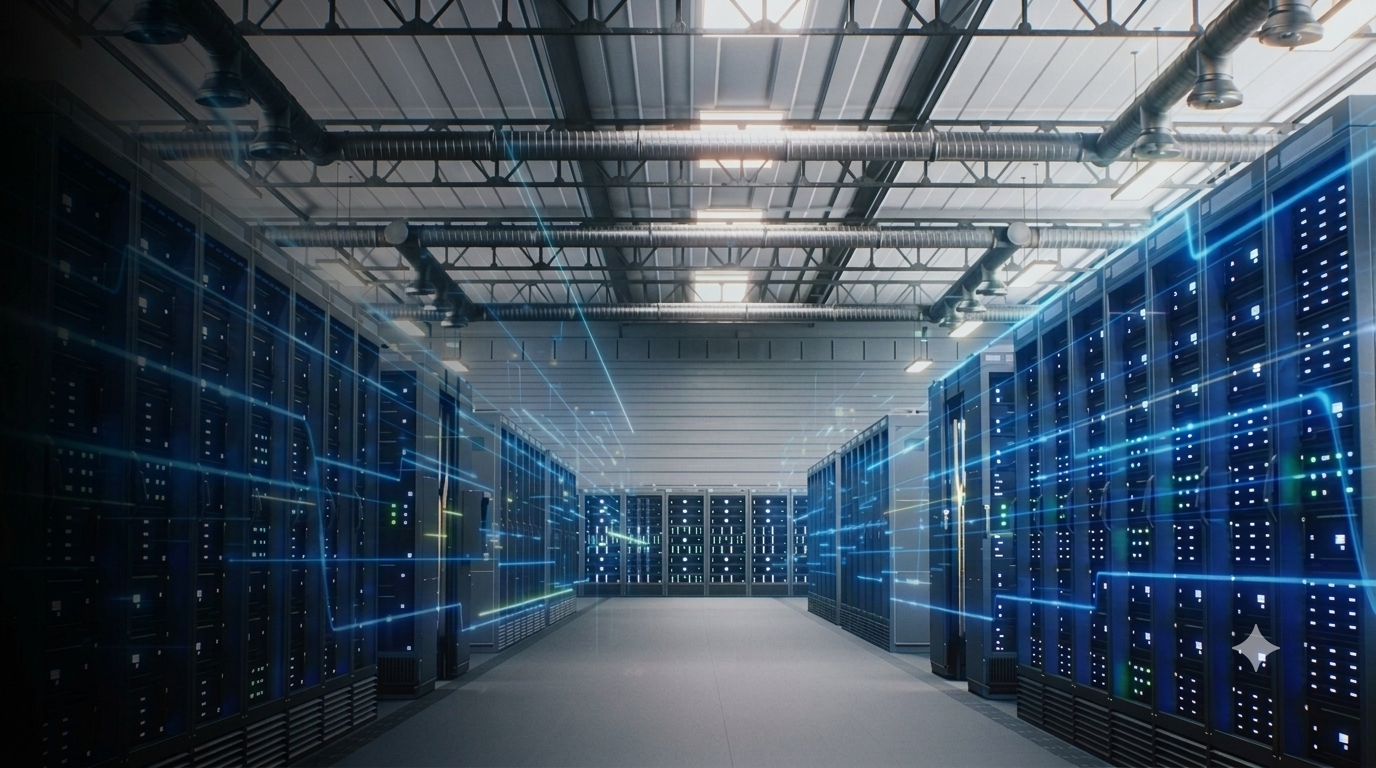
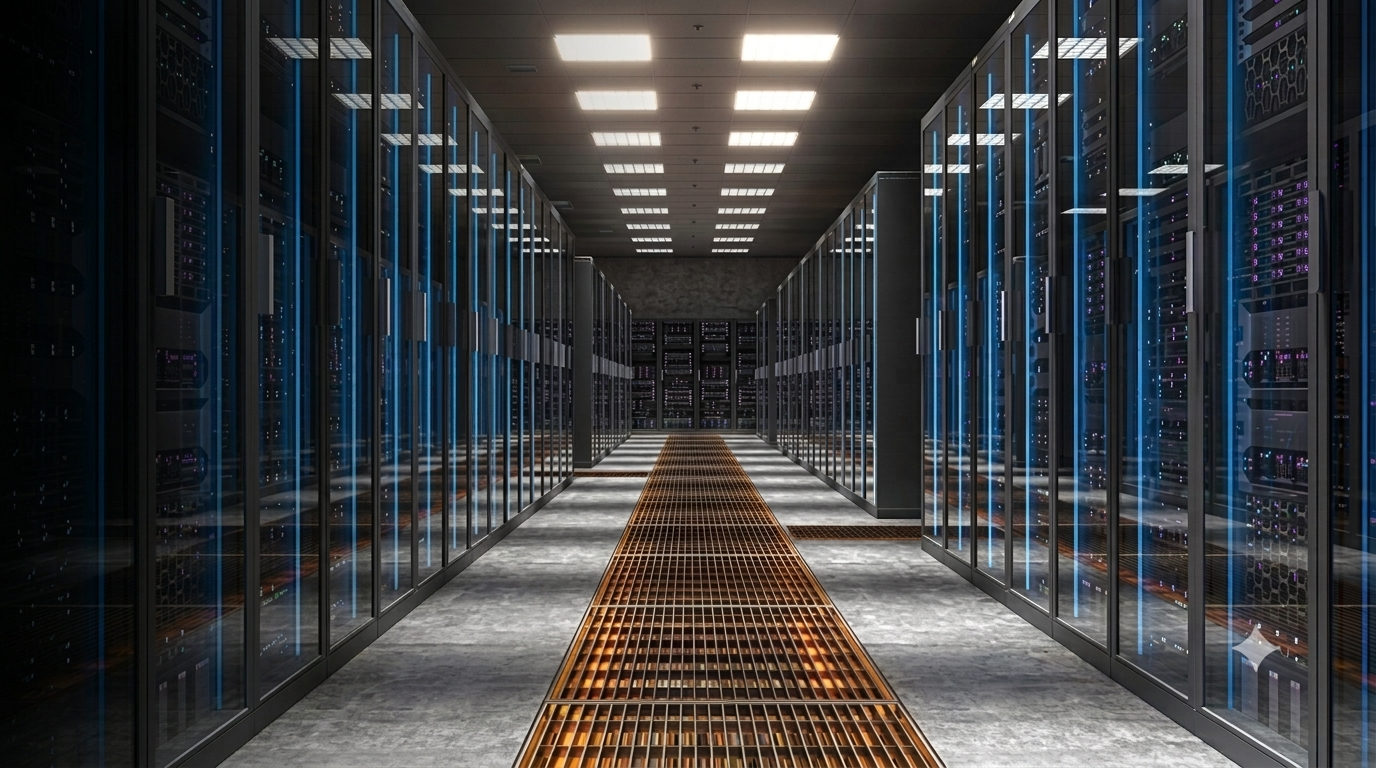
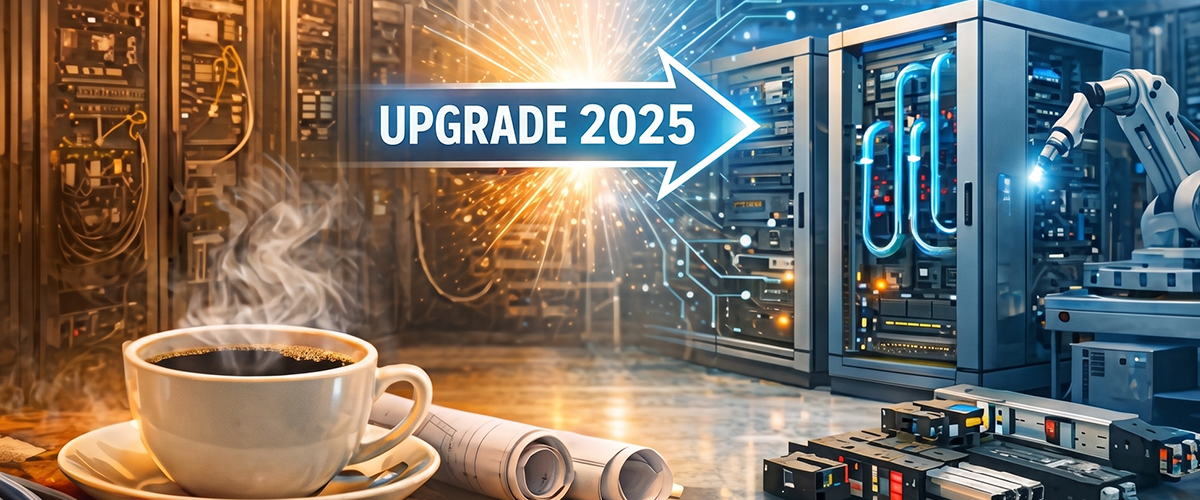
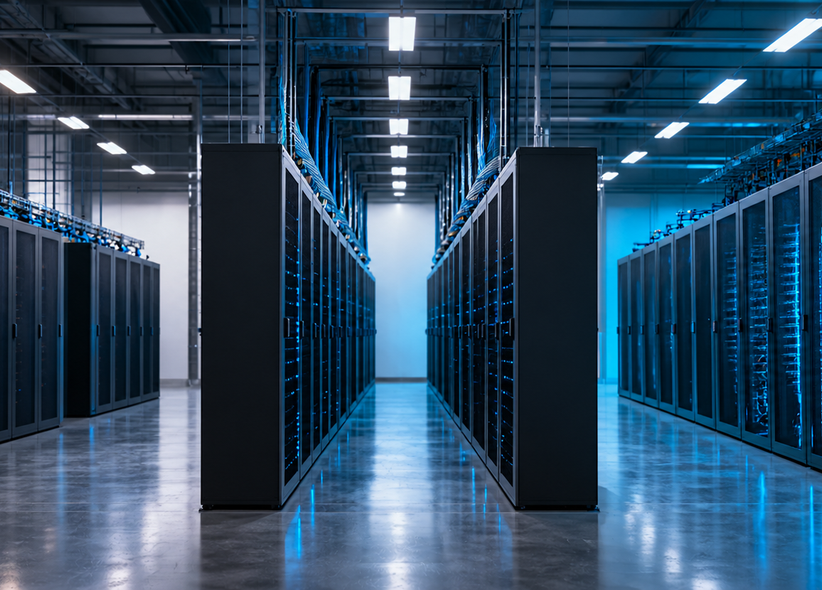
Powering Data Centers. Enabling Possibilities.

Range of accessories to enrich your living environment with enhanced IoT - based user


Data Centers are no longer scaling in predictable ways
The data center industry is entering a different phase of growth. AI workloads, accelerated computing, and high-density environments are changing infrastructure assumptions faster than traditional design cycles can adapt. Rack densities crossing 100 kW are becoming increasingly common, while advanced AI clusters are already planning for 300–500 kW deployments.
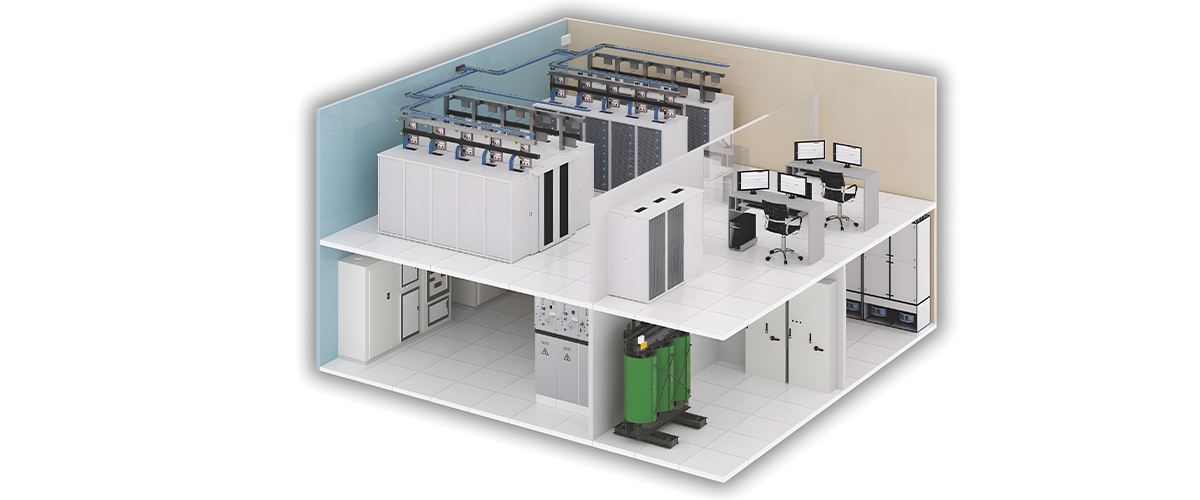
What was once a relatively stable infrastructure environment is now highly dynamic. Power demand fluctuates faster, thermal behaviour changes rapidly, and expectations around uptime, efficiency, and scalability continue to intensify. This shift is exposing a larger issue.
Most data center power systems were never designed as a connected architecture. They evolved in layers over time, with transformers, low-voltage distribution, protection, UPS, redundancy, and rack-level delivery often planned independently. That approach is now reaching its limits.
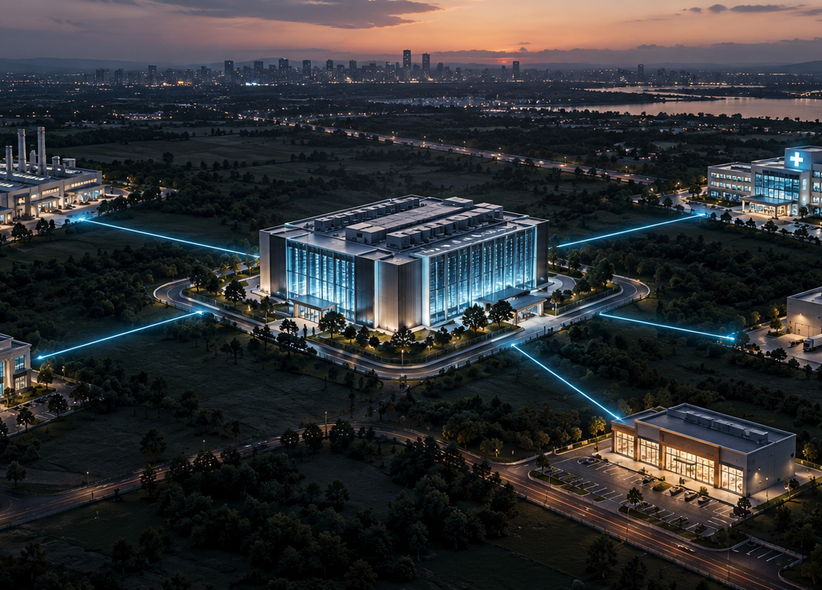
The next generation of data centers requires a coordinated architecture where every layer, from grid entry to rack-level intelligence, operates as part of one continuous system.
That journey begins at the transformer, moves through intelligent LV distribution and protection, stabilizes through modular UPS systems, transitions across coordinated redundancy layers, scales through flexible busbar distribution, and finally becomes visible at the rack through intelligent PDUs.
The focus is no longer just power delivery. It is architectural orchestration.
From Fragmented Systems to Coordinated Architecture
For years, data center power infrastructure evolved in layers. Transformers, protection, UPS, redundancy, and distribution were often planned independently and expanded over time. That model is now reaching its limits.
As rack densities rise and workloads become more dynamic, fragmented infrastructure creates coordination gaps, slower fault response, and inefficiencies that only appear at scale. The shift is now toward a coordinated architecture where every layer works as part of one connected system.
Transformers establish the foundation
LV panels structure intelligent distribution
Protection systems ensure selectivity and control
UPS platforms stabilize power quality
STS layers maintain seamless continuity
Busbar systems enable scalable distribution
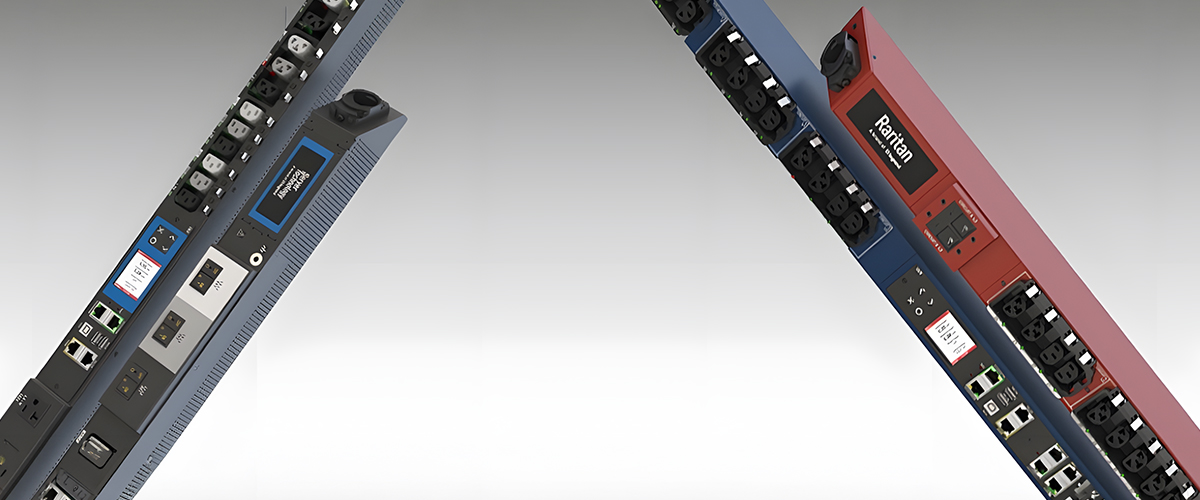
Intelligent PDUs deliver rack-level visibility
Individually, these systems perform specific functions. Together, they define how resilient, scalable, and future-ready the entire facility becomes.
That is what is shaping the next generation of data center infrastructure.
CRT: Where the Architecture Begins
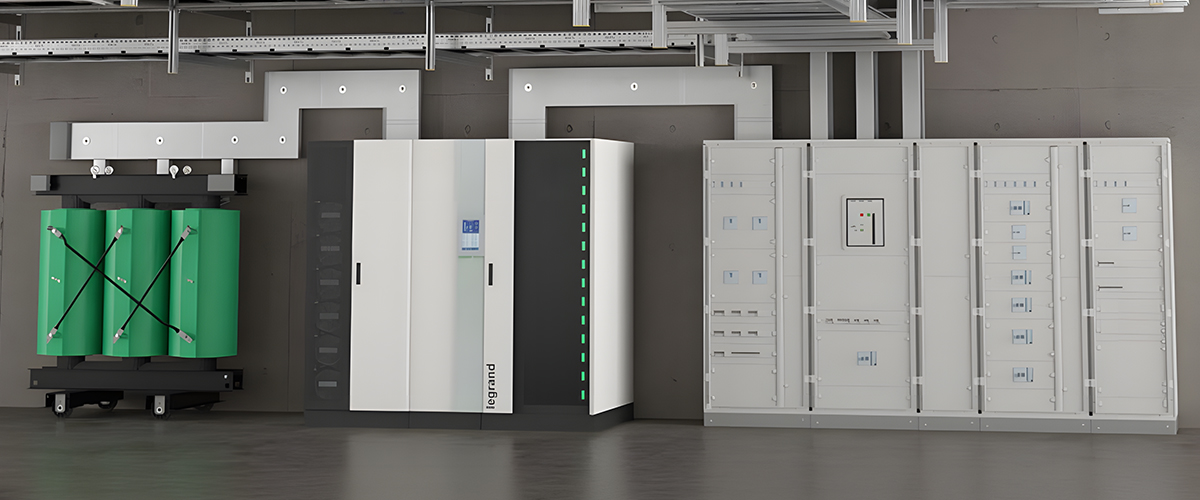
Every data center power journey begins at the CRT, where incoming utility power is transformed and prepared for the critical infrastructure environment. In modern high-density facilities, this stage is no longer just about voltage transformation. It is about creating the stable and scalable foundation the entire architecture depends on.
As AI workloads and accelerated computing push infrastructure demands higher, modern Legrand CRT solutions are designed to support high-capacity environments with the reliability and continuity required for next-generation data centers.
More importantly, the CRT sets the foundation for how effectively every downstream layer performs, from LV distribution and protection to UPS, redundancy, and rack-level delivery.
LV Distribution: Turning Control into Intelligence
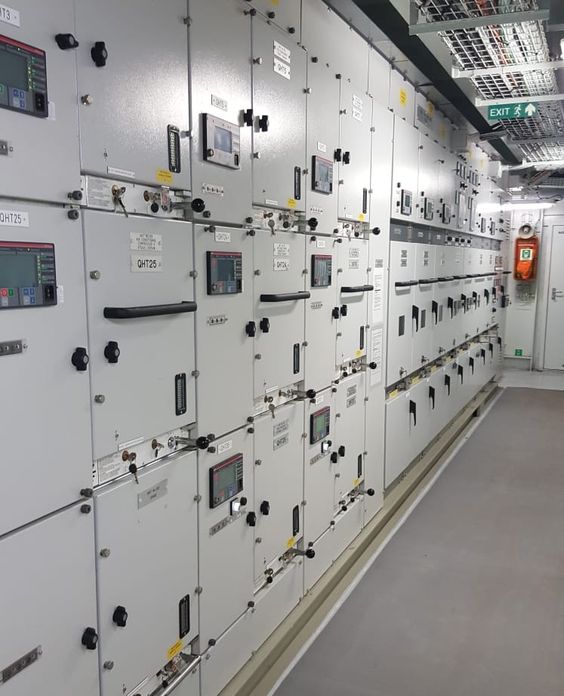
Once power moves downstream from the CRT, the LV layer becomes the control center of the architecture.
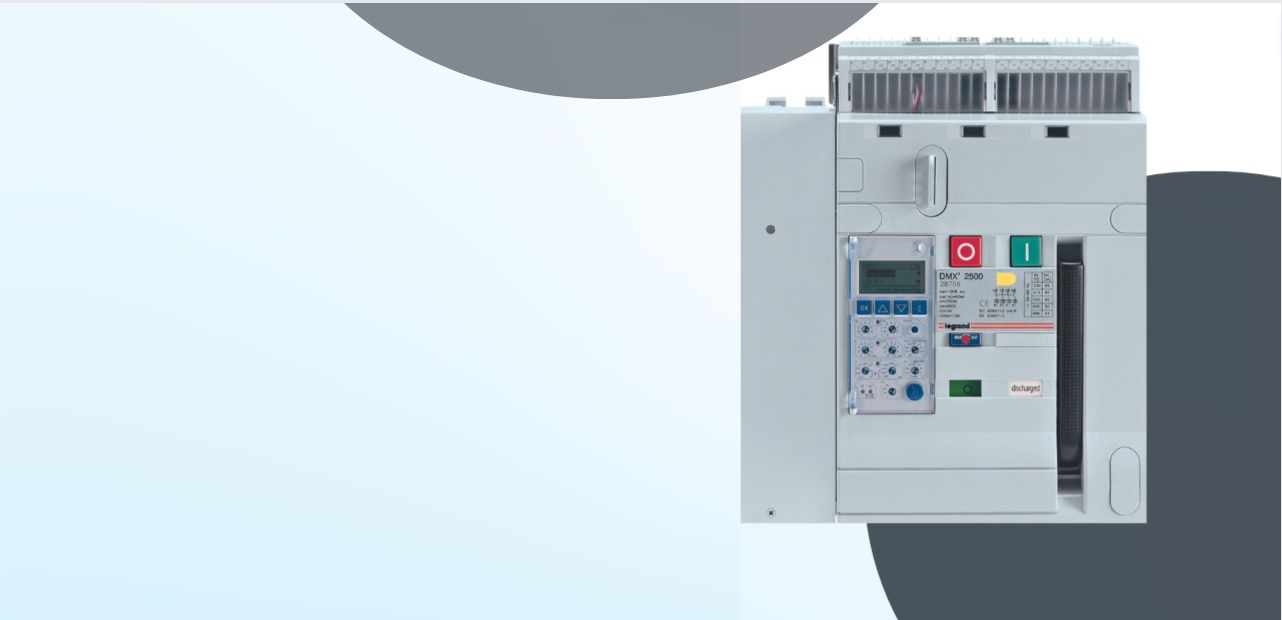
Modern Adlec LV panels structure, prioritize, and distribute power across the facility while supporting dynamic loads and complex distribution paths. This intelligence is further strengthened through DMX³ air circuit breakers and DPX³ moulded case circuit breakers, enabling selective protection, real-time visibility, and coordinated fault management.
Together, these systems create the intelligent electrical backbone required for resilient, high-performance data center operations.
UPS: Stability Under Dynamic Load Conditions
Once power is structured and protected at the LV layer, the next challenge is maintaining stability under constantly changing load conditions. The role of the UPS has evolved significantly. It is no longer just a backup system responding to outages. In high-density environments, it acts as a continuous stabilization layer within the architecture.
Small fluctuations in power quality can quickly translate into thermal stress, operational inefficiencies, and performance instability. Modern UPS platforms continuously condition supply, balance loads, and maintain stable operating conditions for sensitive compute infrastructure.
A modern UPS architecture ensures:
Stable and conditioned power delivery
Load balancing under dynamic demand
Seamless response during disturbances
Scalability without operational disruption
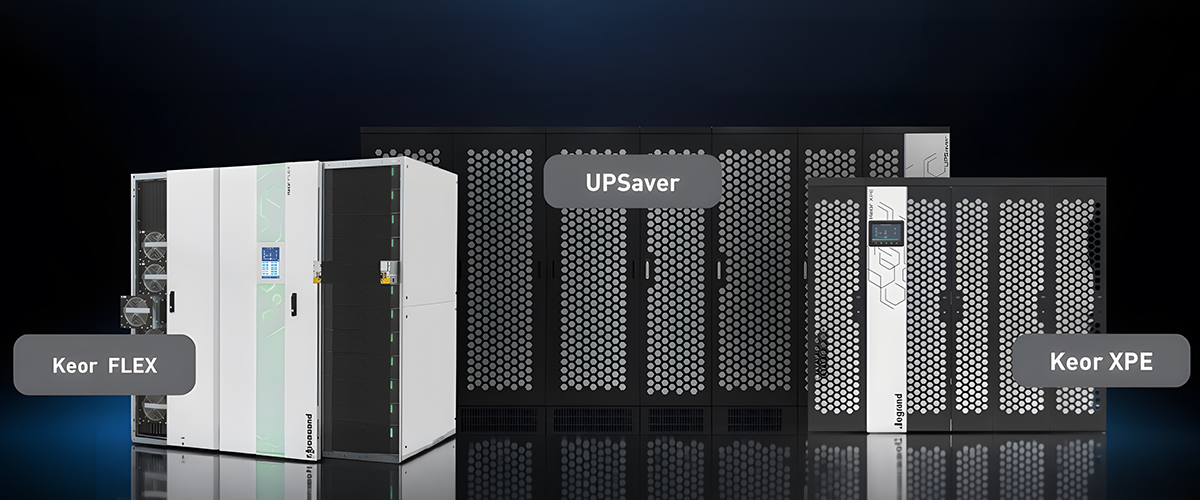
Modular systems such as Keor FLEX are increasingly becoming central to this model, allowing infrastructure to scale efficiently while maintaining uptime and service continuity.
The objective is no longer just backup. It is predictable performance under pressure.
STS: Turning Redundancy Into Real Resilience
As infrastructure becomes more interconnected, resilience depends on how intelligently systems respond when conditions change. Traditional redundancy models focused on adding alternate power paths. Modern environments demand more than redundancy on paper. They require coordinated transitions that happen instantly and without instability.
This is where static transfer systems become essential. STS architectures continuously monitor conditions and enable switching between power sources within milliseconds, ensuring continuity for critical loads without impacting operations.
In modern architectures, STS systems must:
React instantly to changing conditions
Coordinate with upstream and downstream systems
Ensure clean transitions without instability
Legrand’s integrated STS solutions are designed to operate as part of the broader ecosystem, ensuring that redundancy is not just available, but effective. Because resilience is not about having a backup path. It is about how seamlessly the system moves between paths.
Busbar: Enabling Scalable Distribution
As power moves across the facility, distribution becomes a key differentiator. Traditional cabling systems are not designed for environments where density is increasing and layouts are constantly evolving. Busbar systems address this challenge by introducing flexibility into the architecture.
They enable:
High-capacity power distribution
Faster deployment and expansion
Simplified reconfiguration without downtime
Reduced losses across long distribution paths
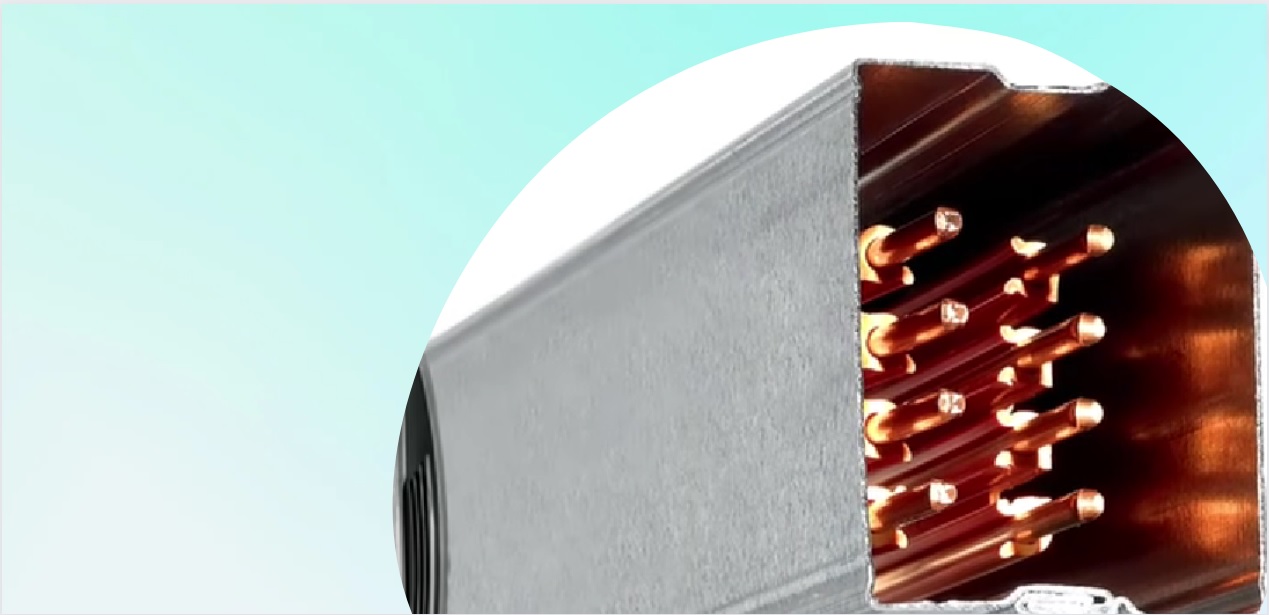
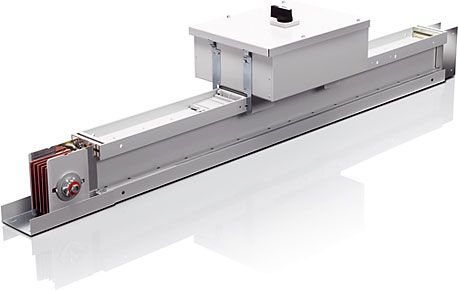
Solutions like Legrand’s Starline and high-power busbar systems support scalable distribution while maintaining reliability and performance. In modern data centers, distribution is no longer passive. It directly impacts how fast and efficiently infrastructure can scale.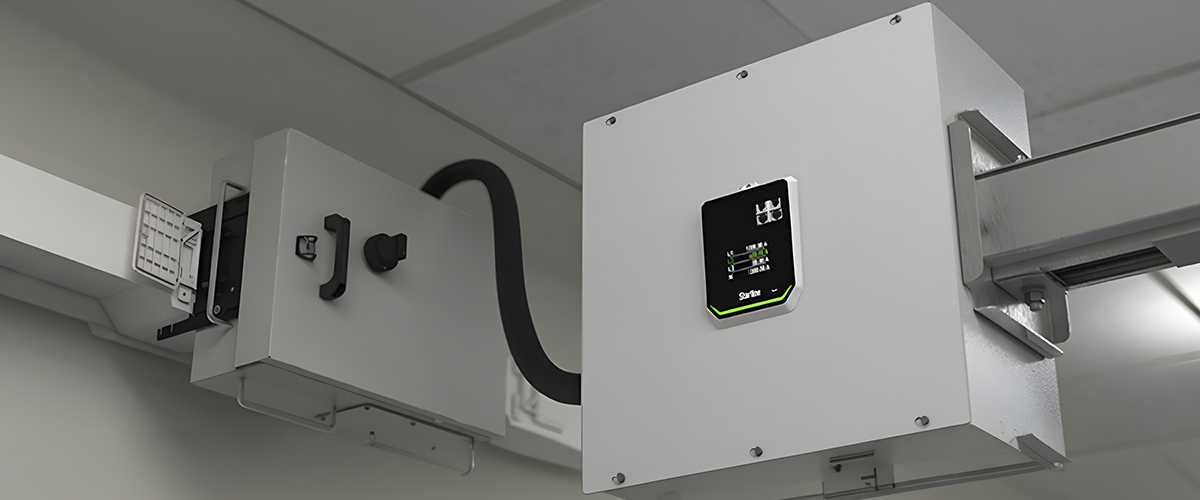
PDU: Turning Power into Insight
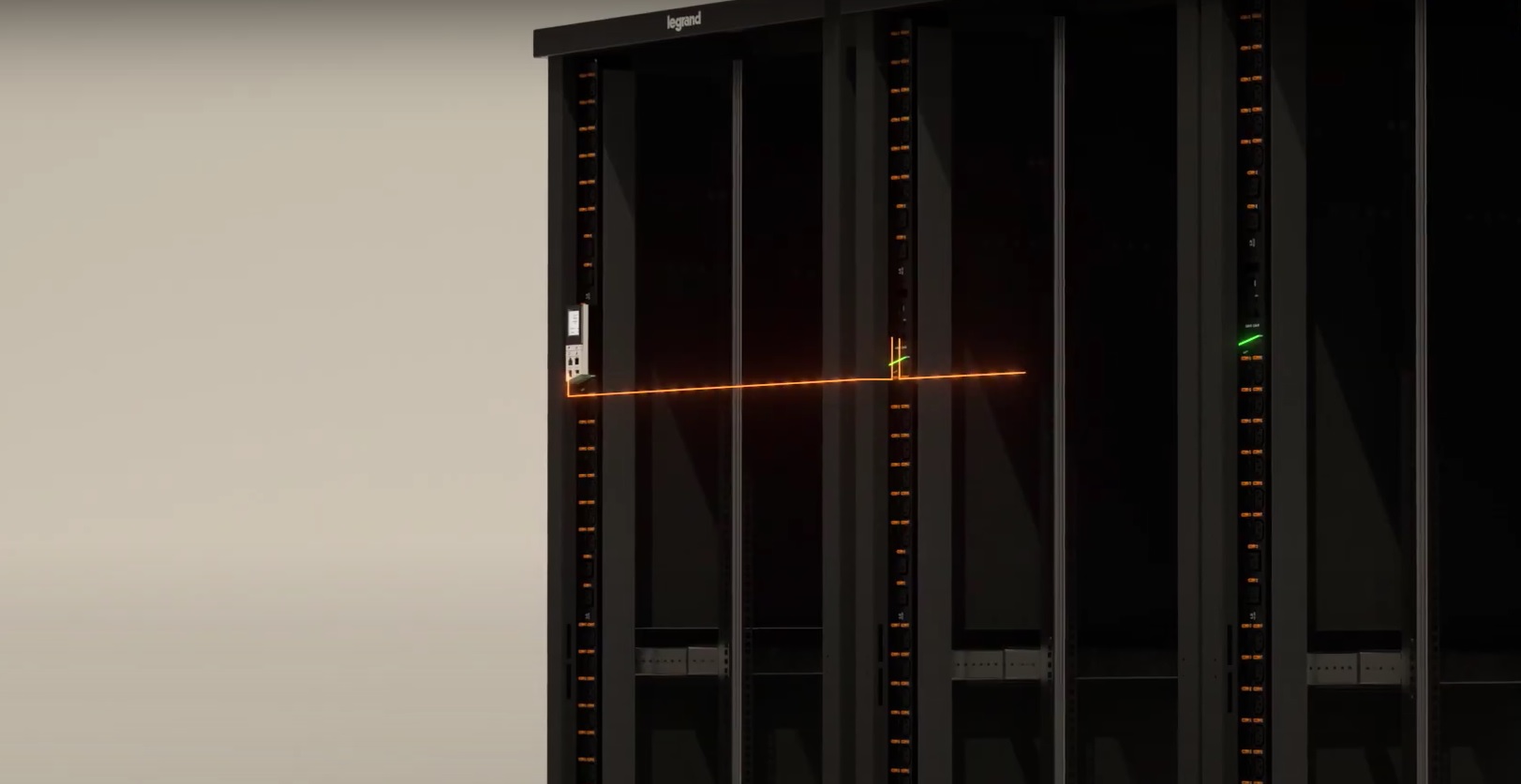
At the rack level, power delivery becomes highly dynamic. This is where load variations, inefficiencies, and potential risks first appear. Intelligent PDUs transform this layer from simple distribution to active monitoring and control.
They provide:
Real-time visibility into power usage
Load-level monitoring and balancing
Early detection of anomalies
Data-driven optimization opportunities
With platforms like Raritan PX4 and Server Technology PRO4X, power at the rack level becomes measurable and actionable. This is where power stops being invisible infrastructure. It becomes a source of insight.
Designing for the Next Era of Digital Infrastructure
The future of data centers will not be defined by how much compute they can deploy.
It will be defined by how intelligently infrastructure can support that compute under constant change.
As AI, high-density environments, and digital demand continue to reshape the industry, power architecture can no longer evolve in isolated layers. It must function as one coordinated ecosystem designed for continuity, scalability, visibility, and long-term adaptability.
At Legrand, this philosophy shapes the approach to data center infrastructure, bringing together intelligent distribution, protection, power continuity, scalable distribution, and rack-level visibility into one connected architecture. Because the next generation of data centers will not simply require more power.
They will require better orchestration of it.
Connect With Us
Whether you are designing a new facility, expanding capacity, or preparing for high-density AI deployments, the decisions made today will define long-term performance tomorrow.
Connect with Legrand’s data center specialists to design an integrated power architecture built for resilience, scalability, and continuous performance from grid to compute.
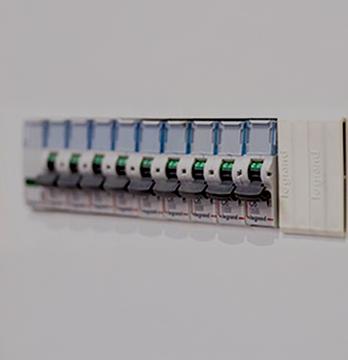

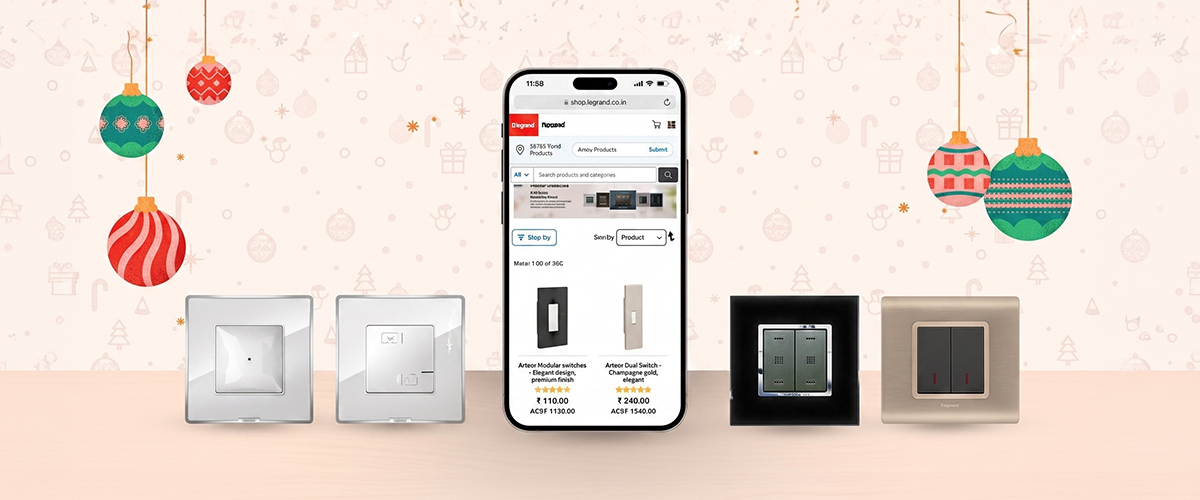
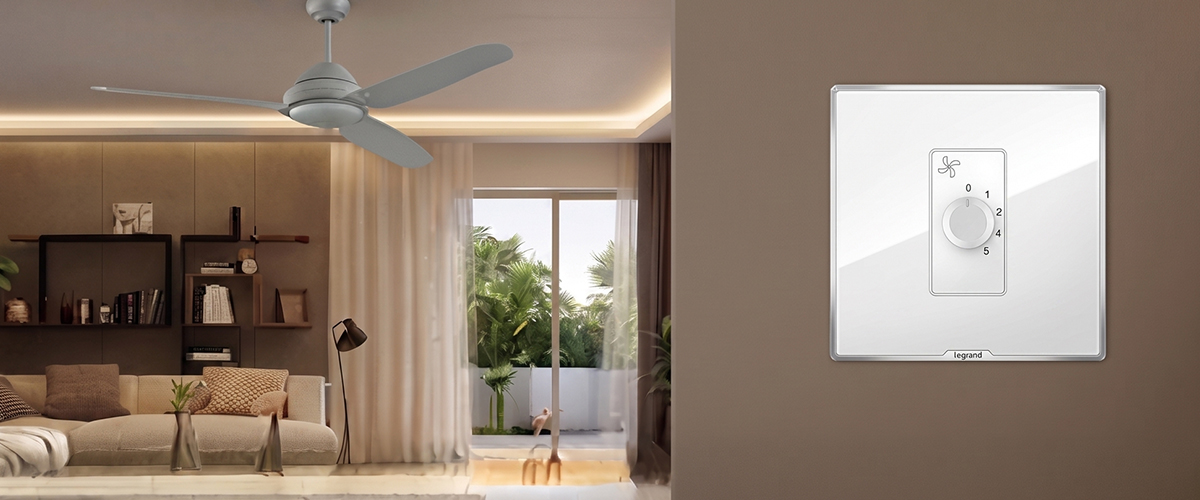
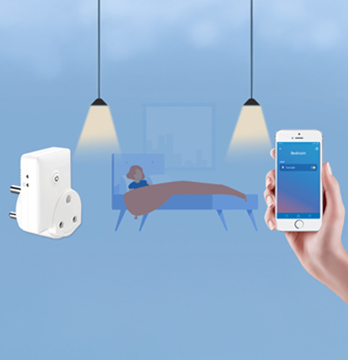
Smart switches: a simple way to control your home’s lighting and appliances
READ SMART SPACE









 Eliot
Eliot LDCS
LDCS

 Residential
 Commercial
 Hospitality
 Industrials



 Data Center Solutions
 Hyperscale data centers