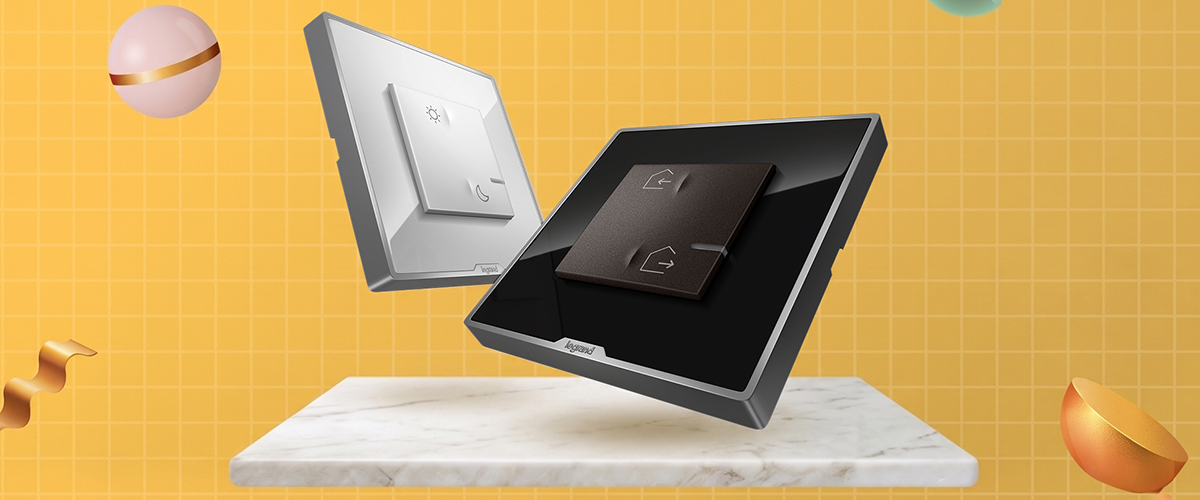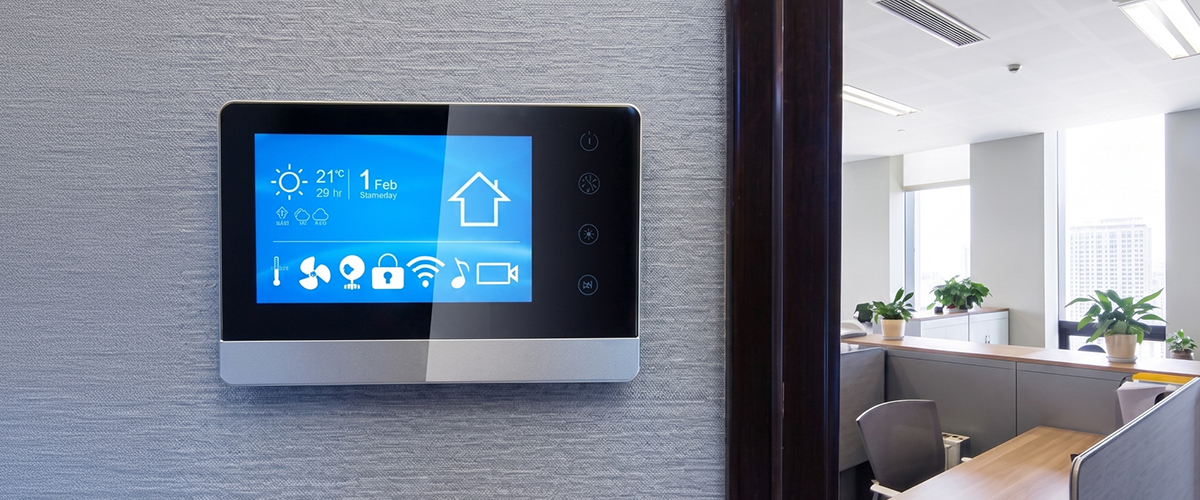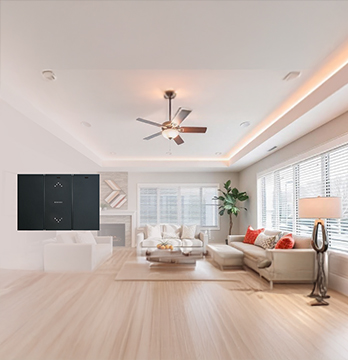

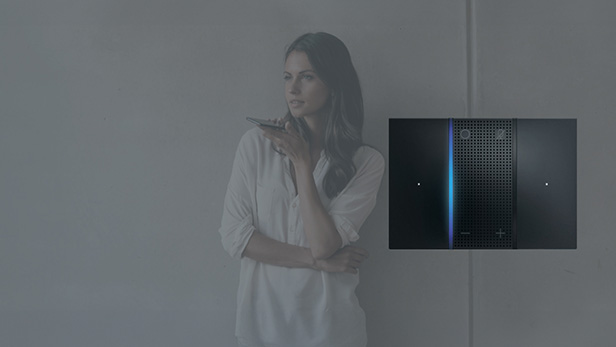
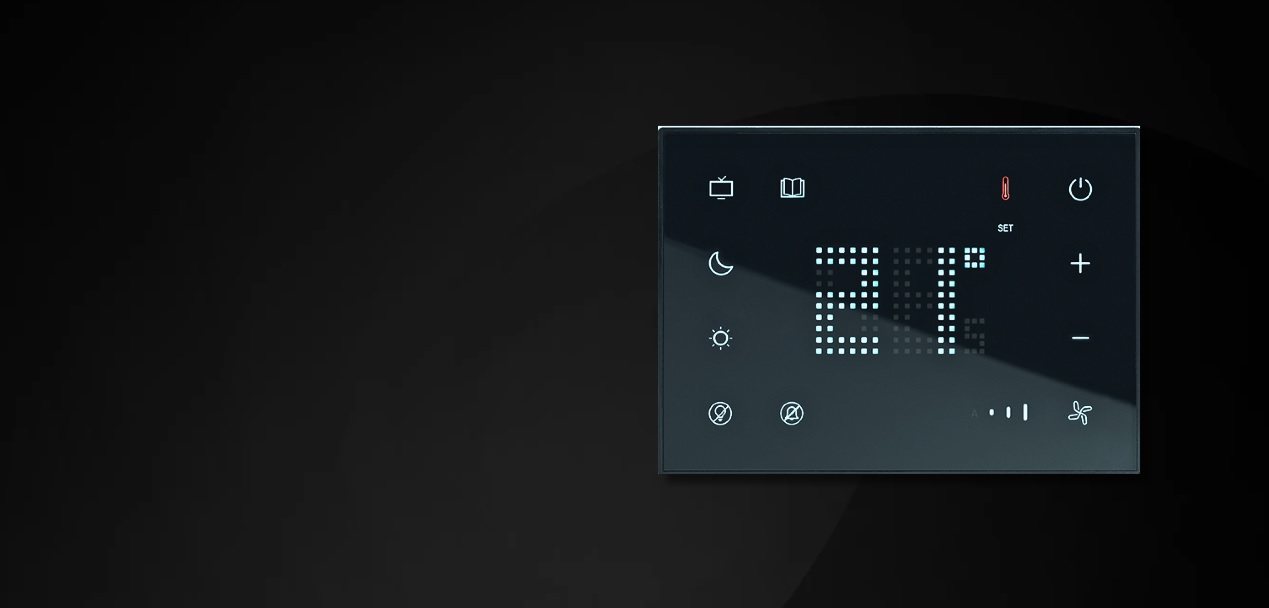
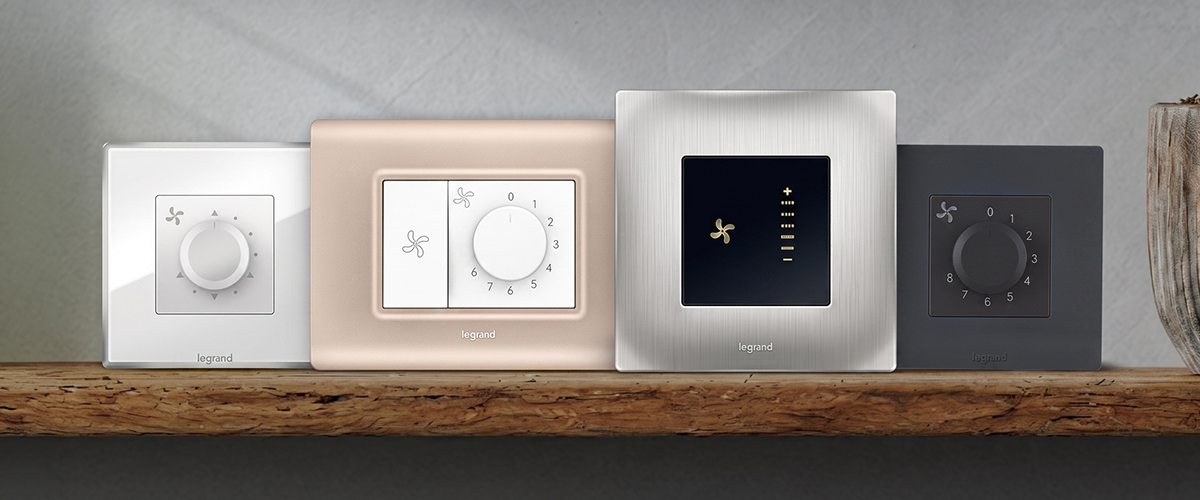
Multifunctions control for scenes control, DND/MUR management and temperature control
KNOW MORE
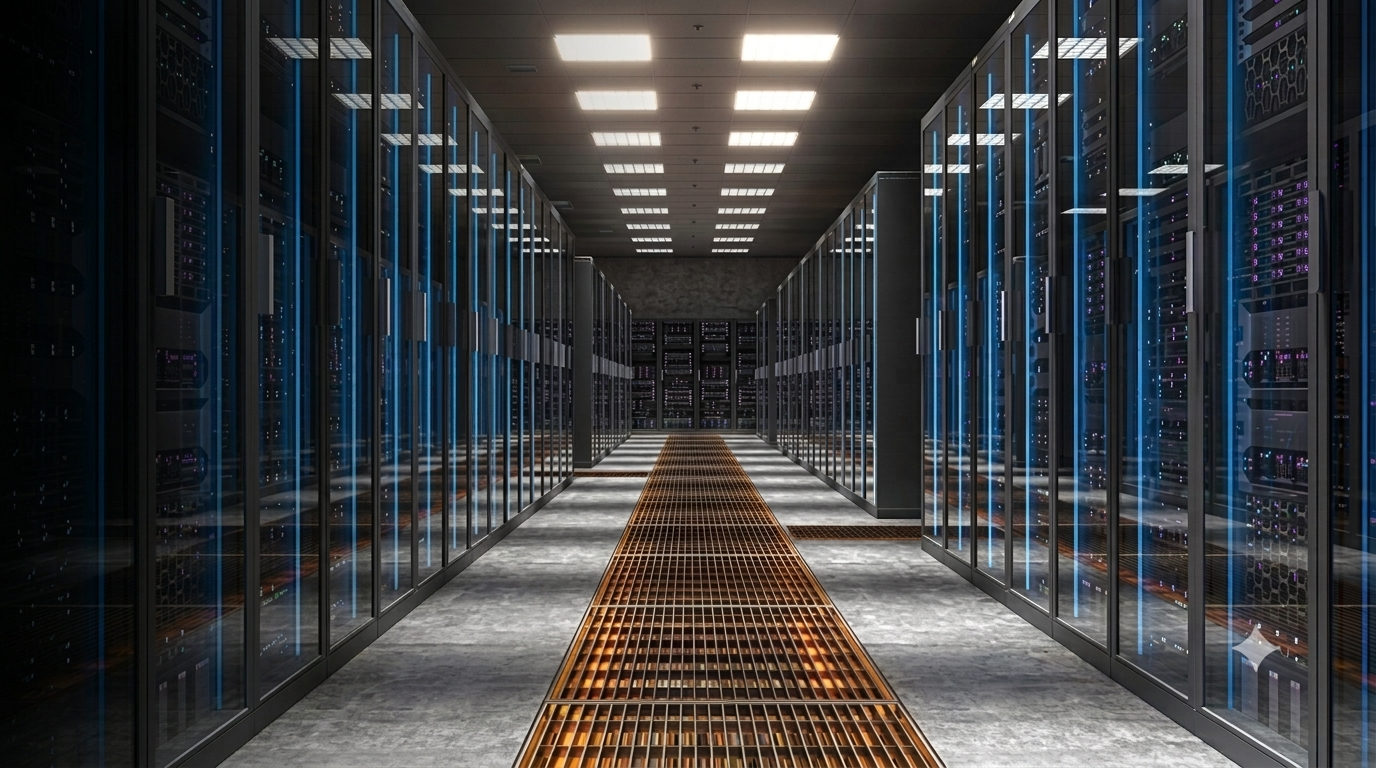
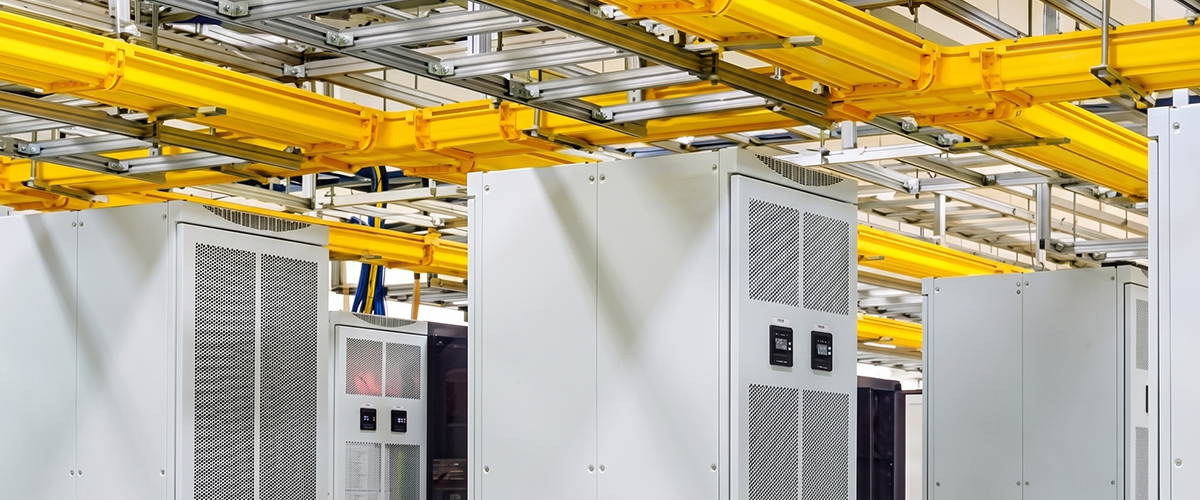
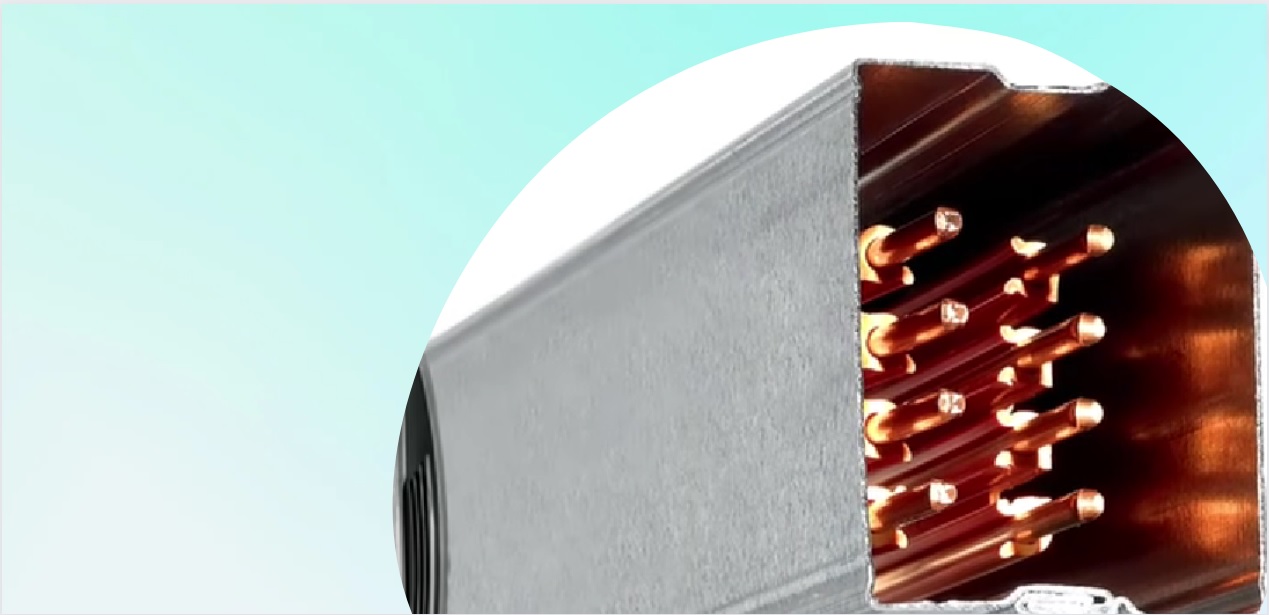
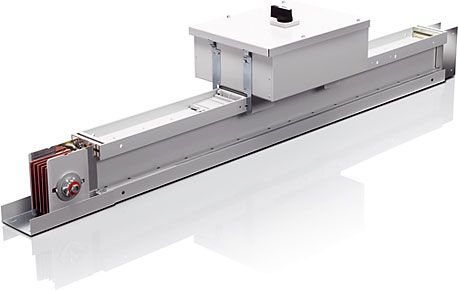
Containment systems with integrated cooling mechanisms to regulate temperature
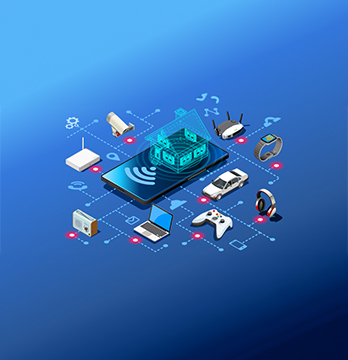
Range of accessories to enrich your living environment with enhanced IoT - based user


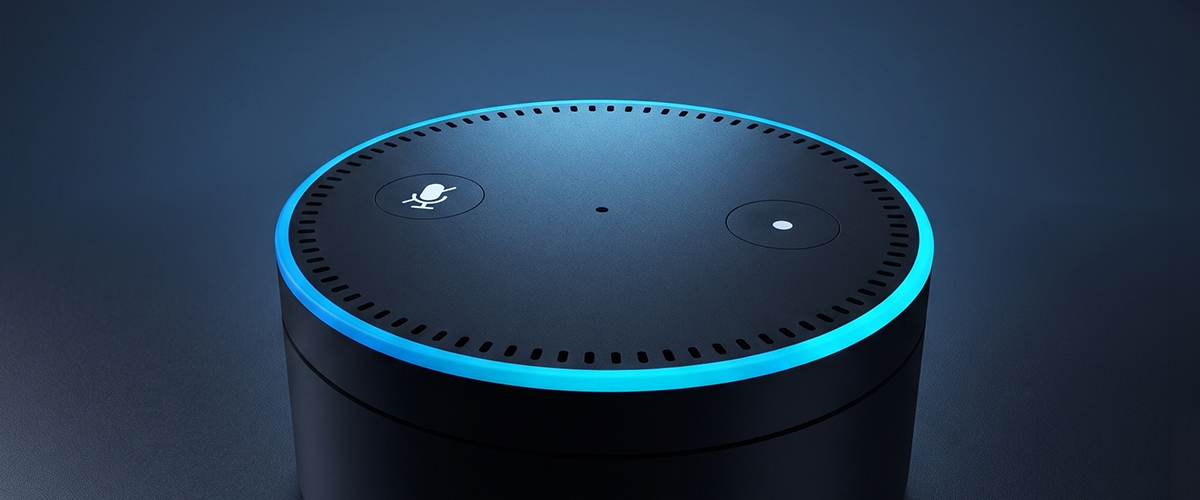
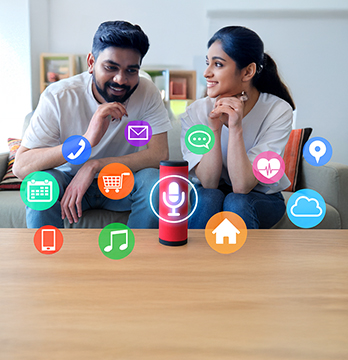
Eliot brings an exquisite assortment of products and benefits its users in terms of energy consumption, ease of use, security, and improved functionality
.jpg)

Energy Consumption
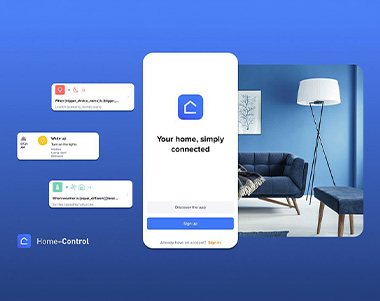

Ease Of Use
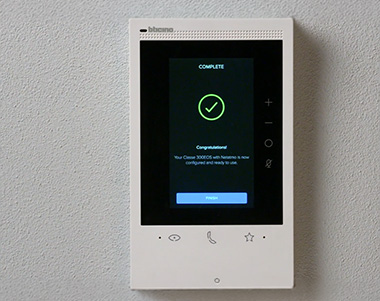

Security
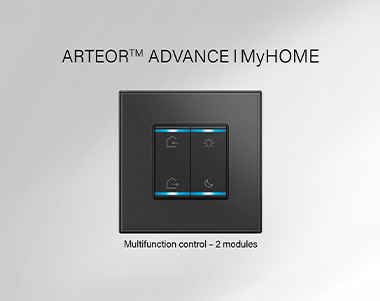

Improved Functionality
Representing a significant stride forward in creating a more efficient, secure, and comfortable living and working environment.
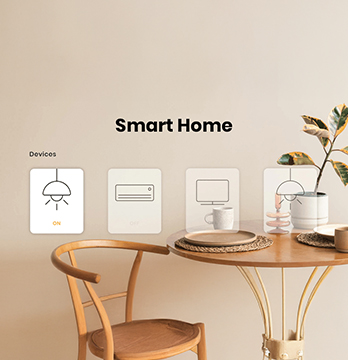
Smart technologies for smart & contemporary houses that provide unmatched simplicity, comfort & convenience
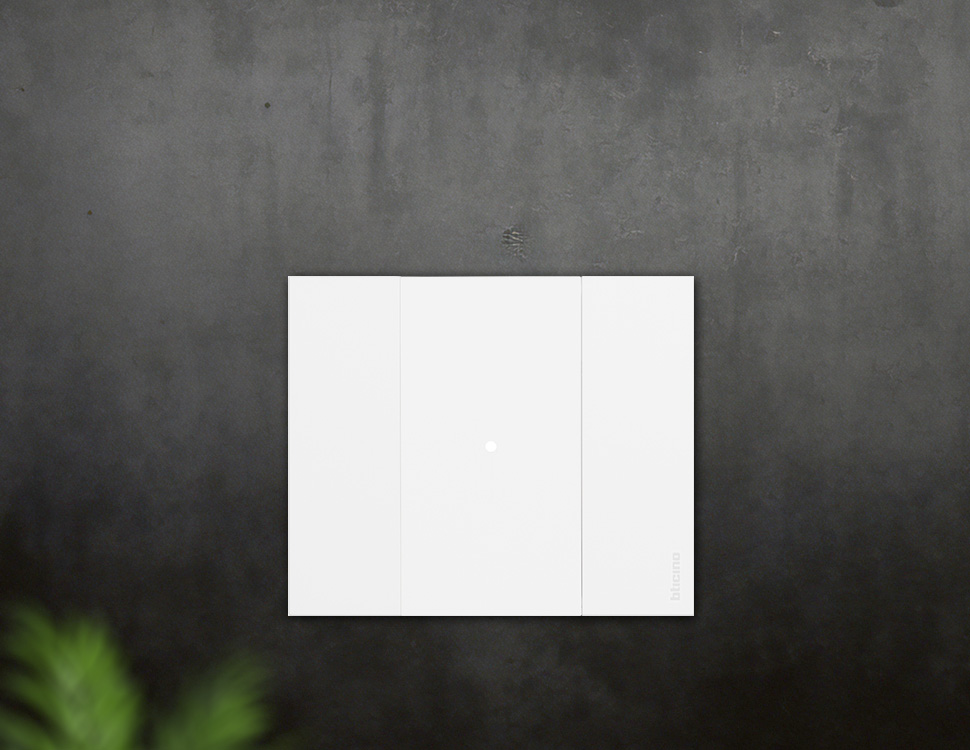
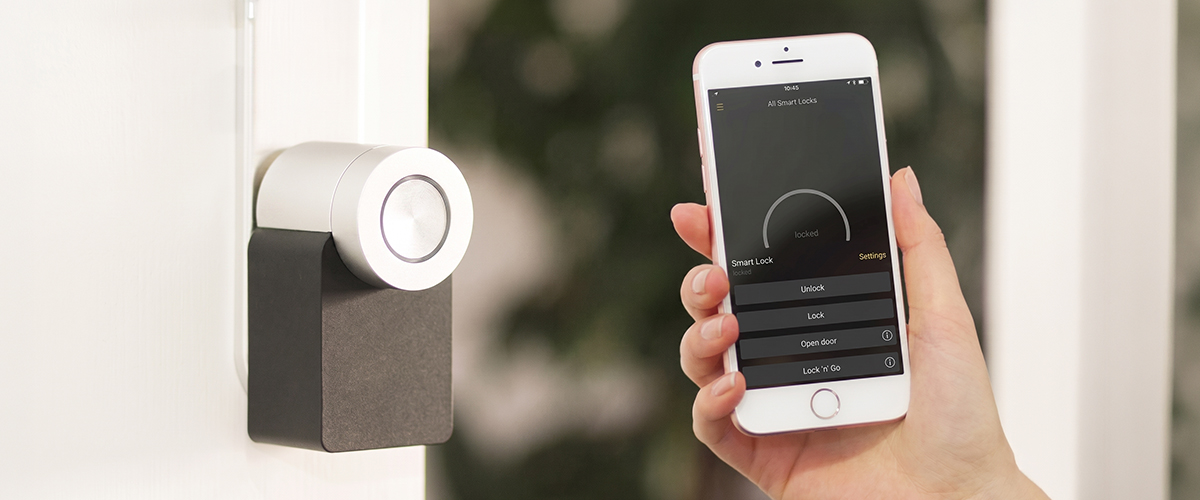
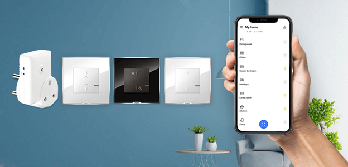
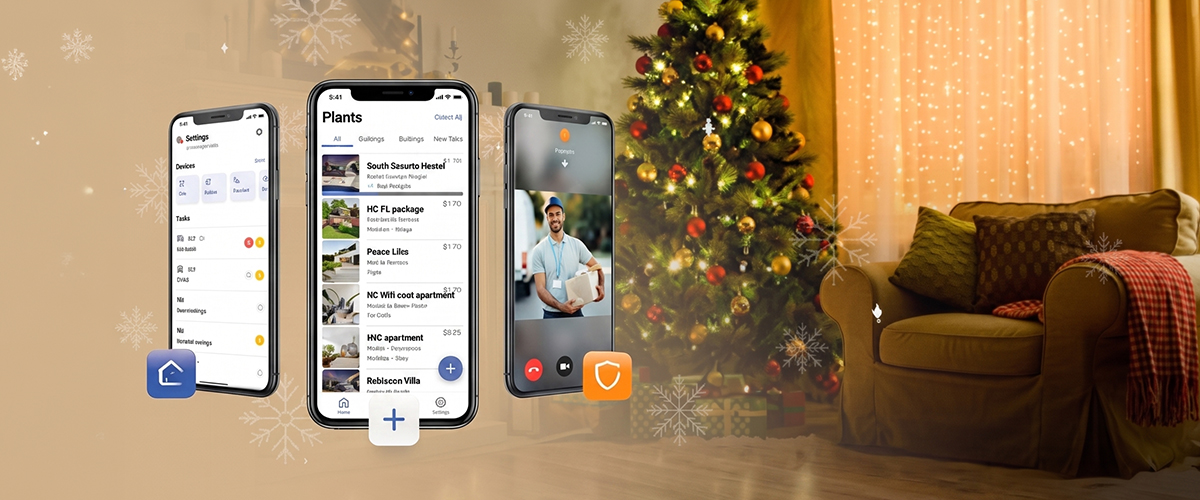
Control lighting and roller shutters using a smartphone with master in/out scenario control
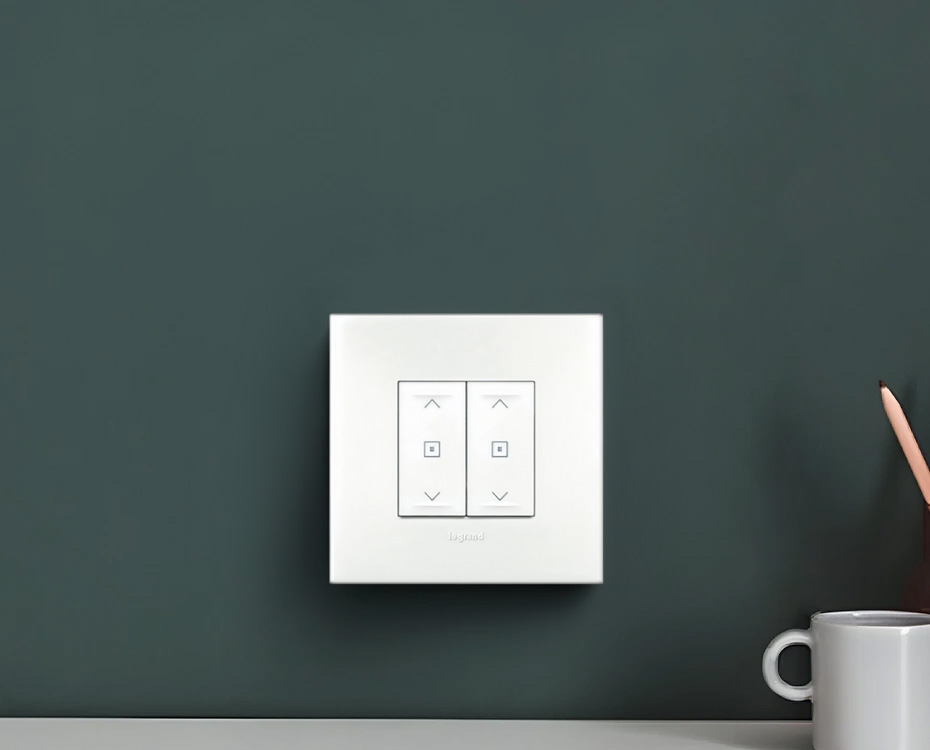
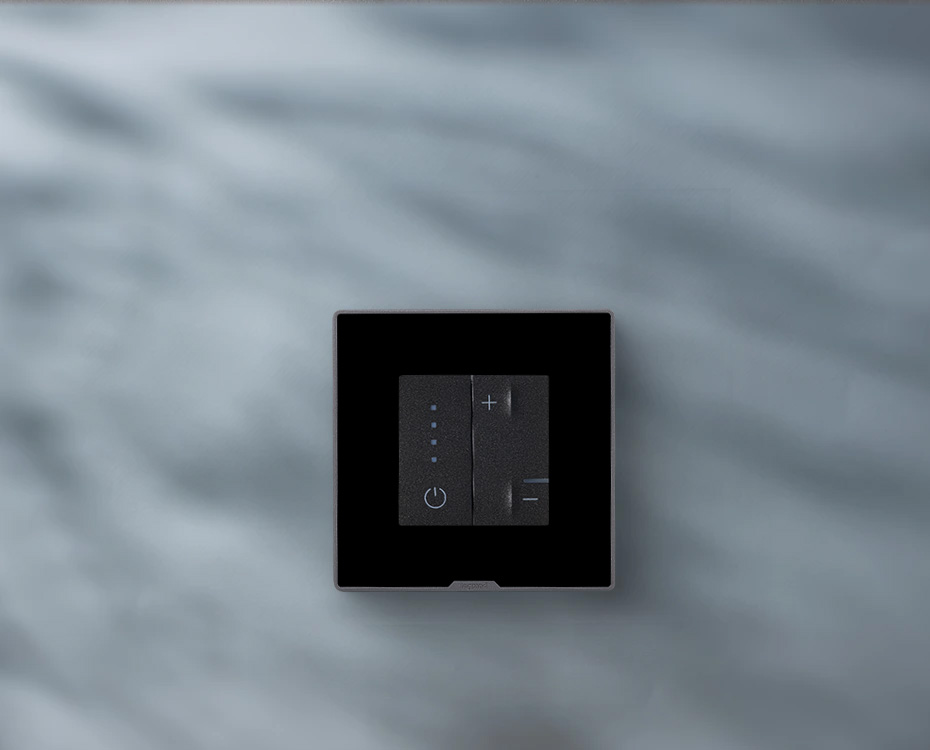
Combined the best of technology and design for your convenience
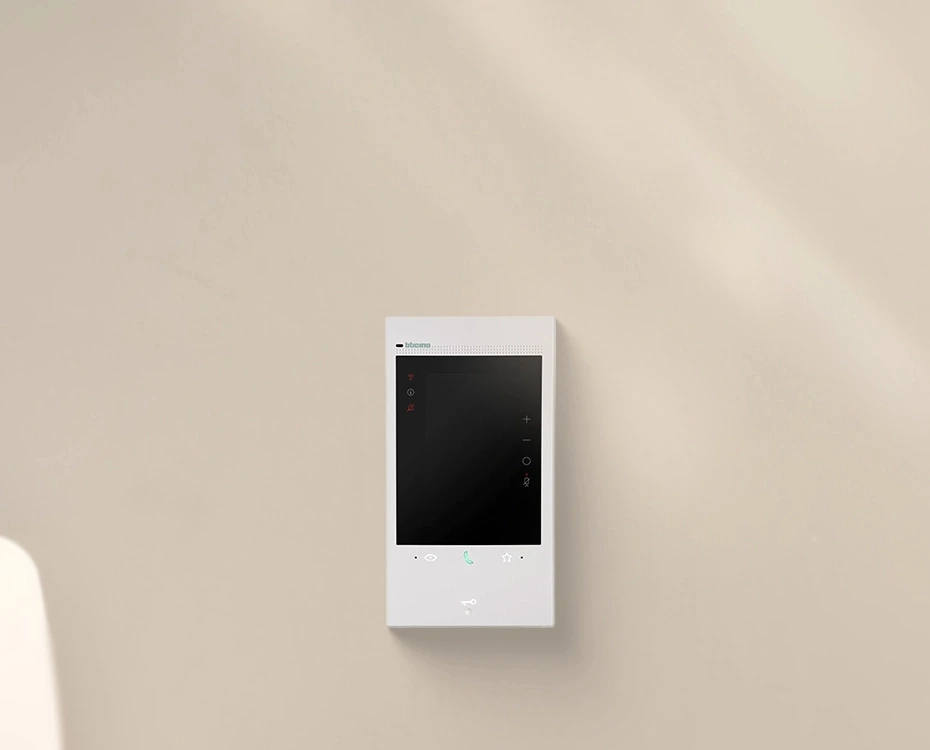
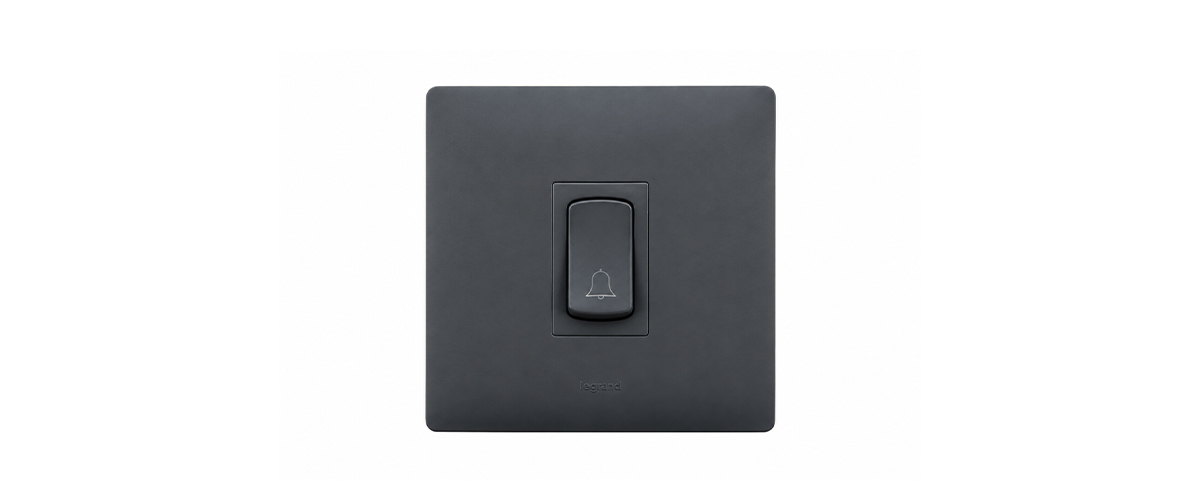
Easy, elegant and sleek, with the capability to control your home entry systems at your fingertips
Stories about future-ready solutions, sculpted with customer-focused objectives

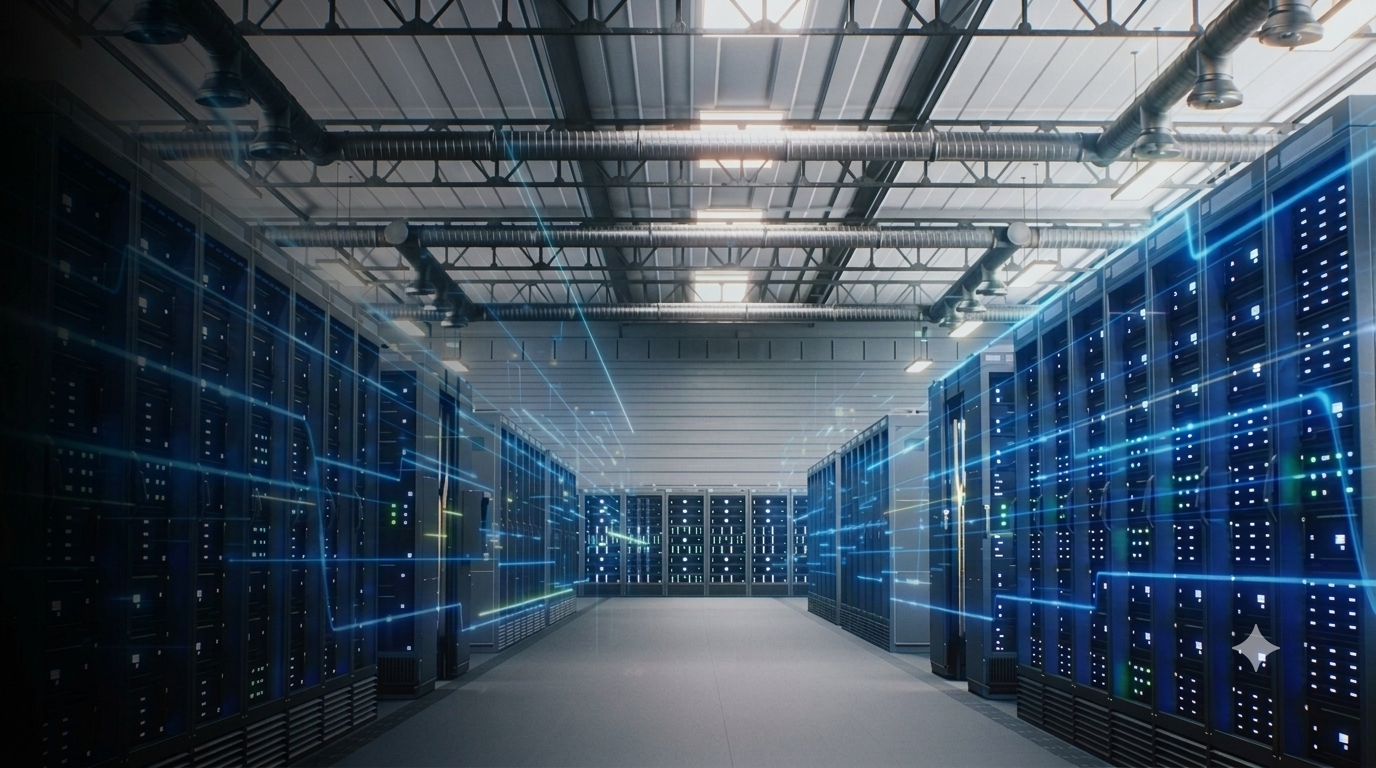
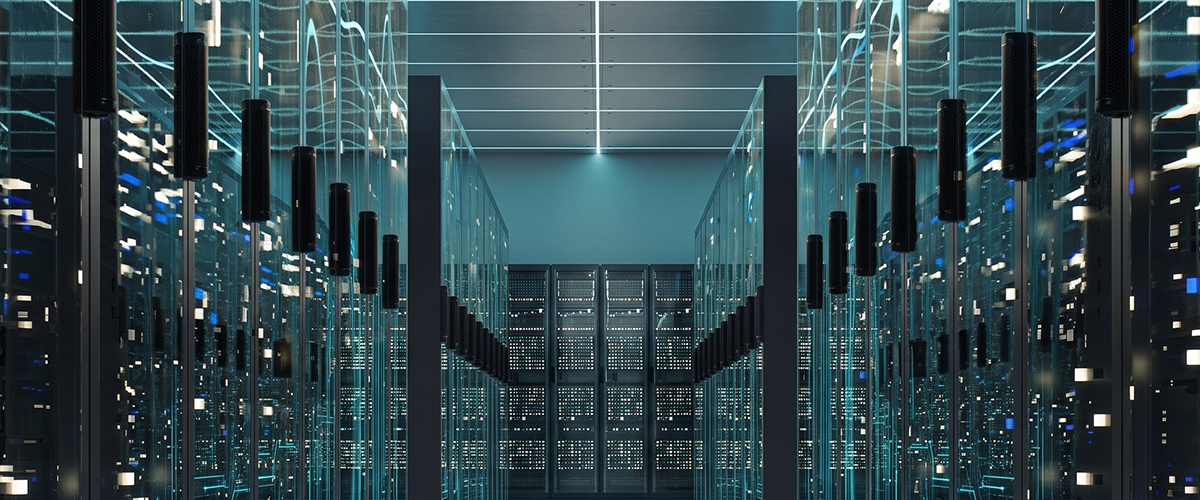
How the physical connectivity layer inside AI data centres is being redesigned for density, performance and serviceability.
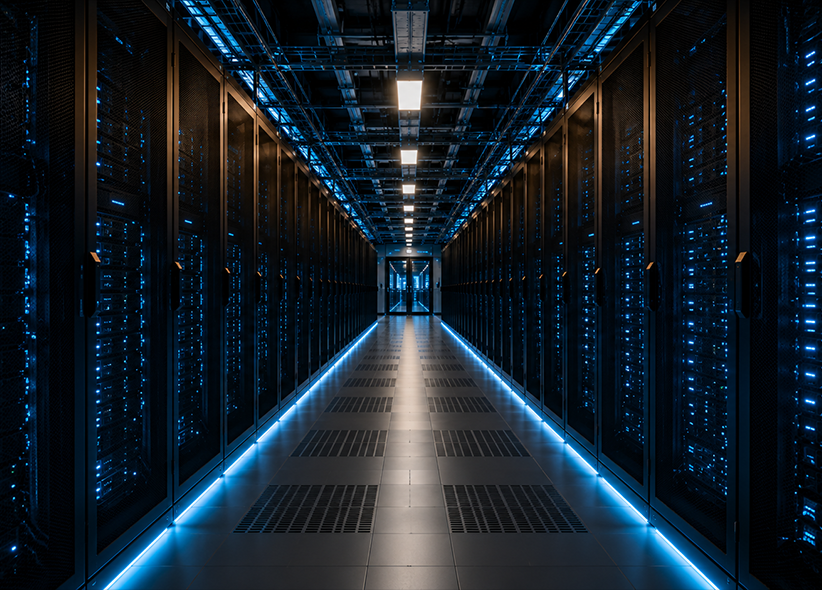
QUICK READ
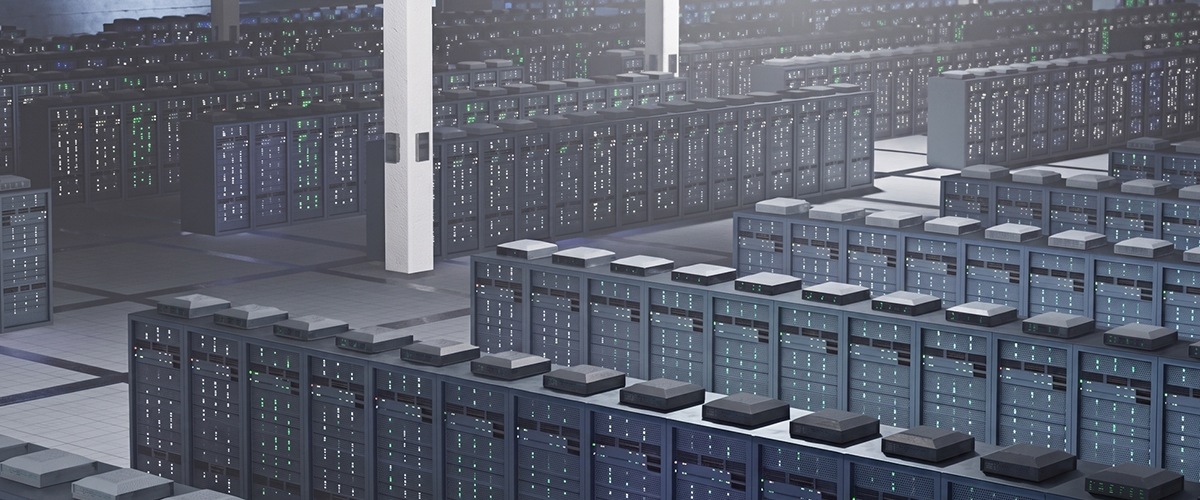
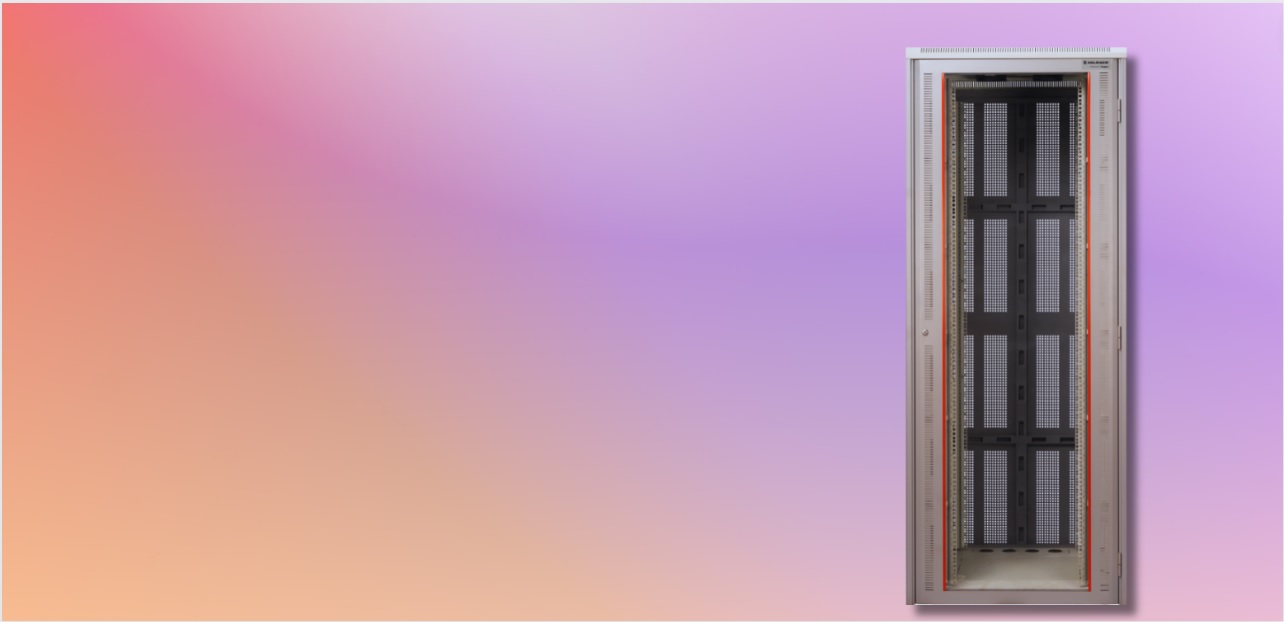
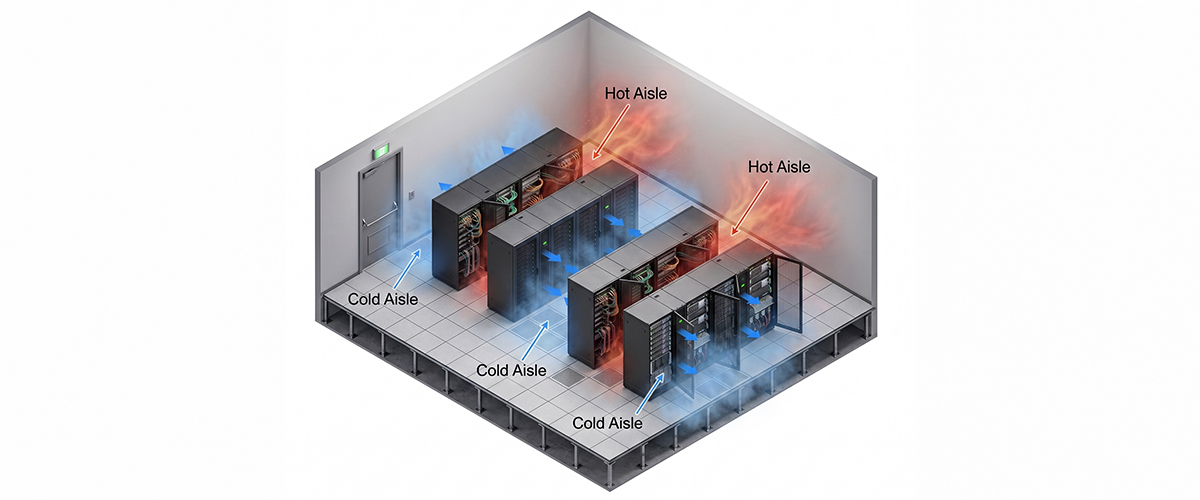
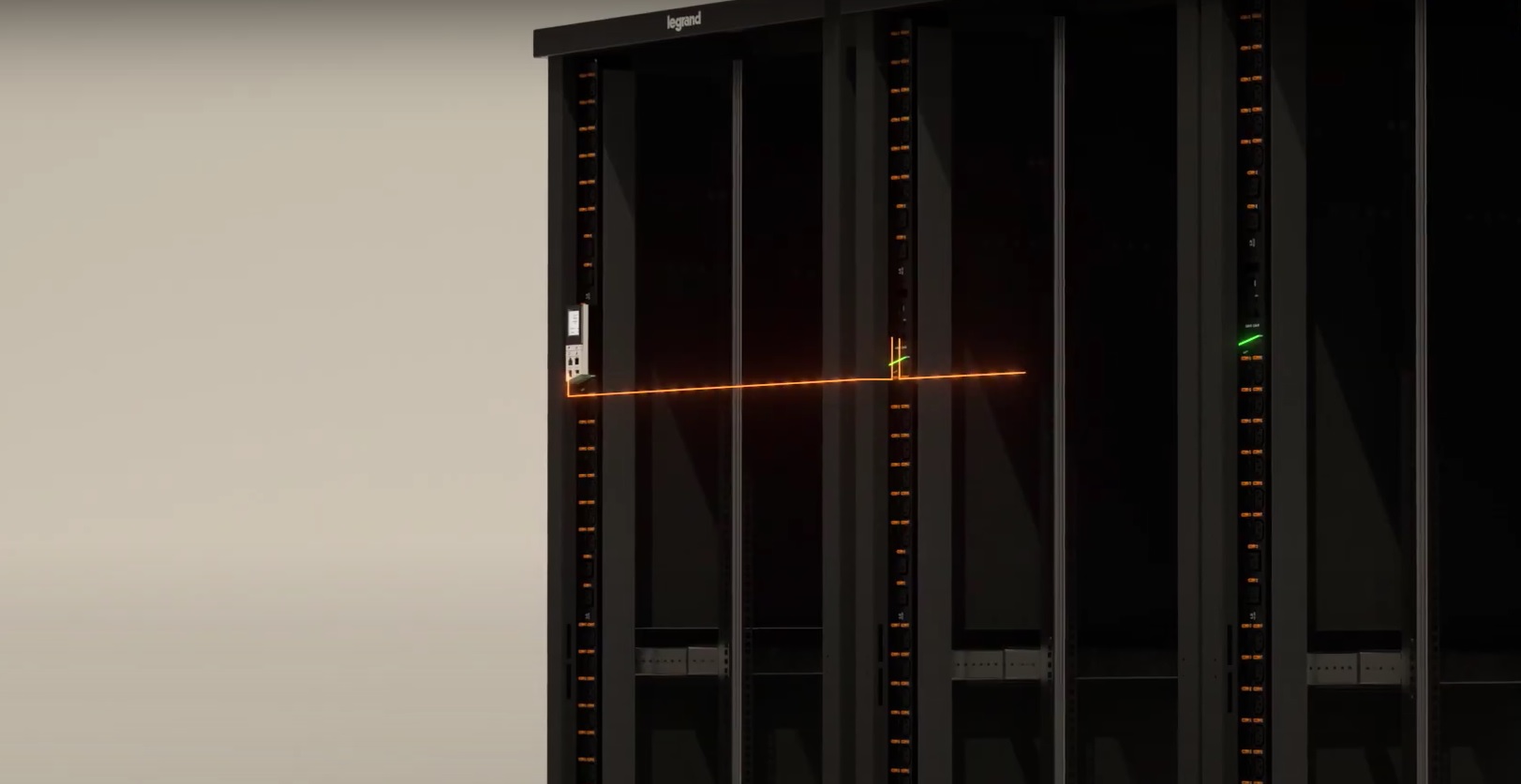
AI is fundamentally changing how data centre white space is designed. The shift from traditional enterprise workloads to AI clusters has pushed rack densities past 100 kW, with some deployments in India planning for 250 kW and beyond. GPU infrastructure runs on larger form factors, higher power and greater cooling demand than anything the industry has spec'd before. This blog explains why the rack itself is being redesigned, what the new white space looks like, and how integrated infrastructure ecosystems are supporting the shift.
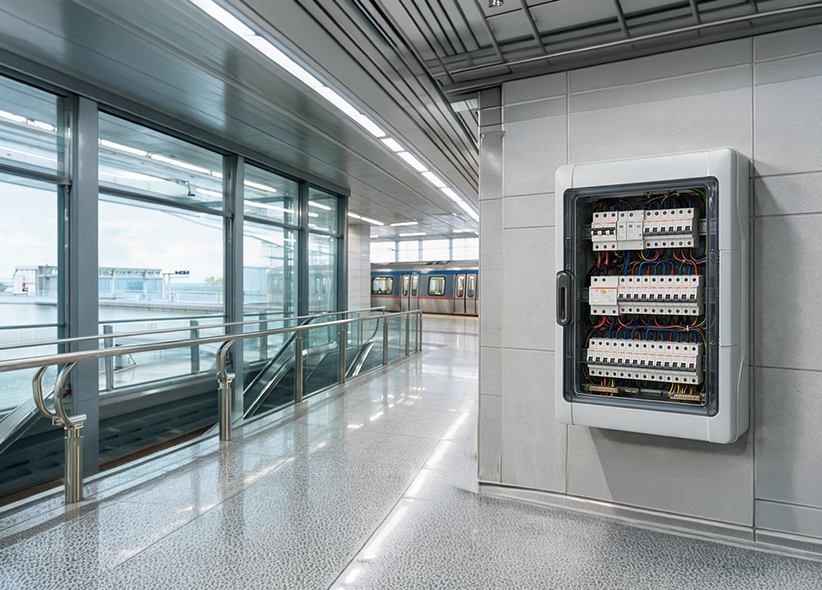
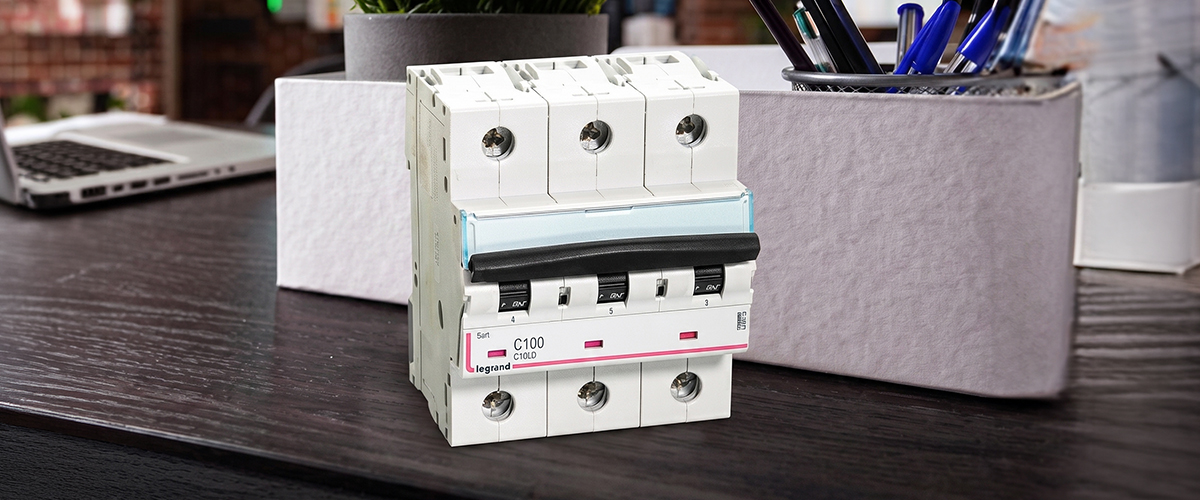
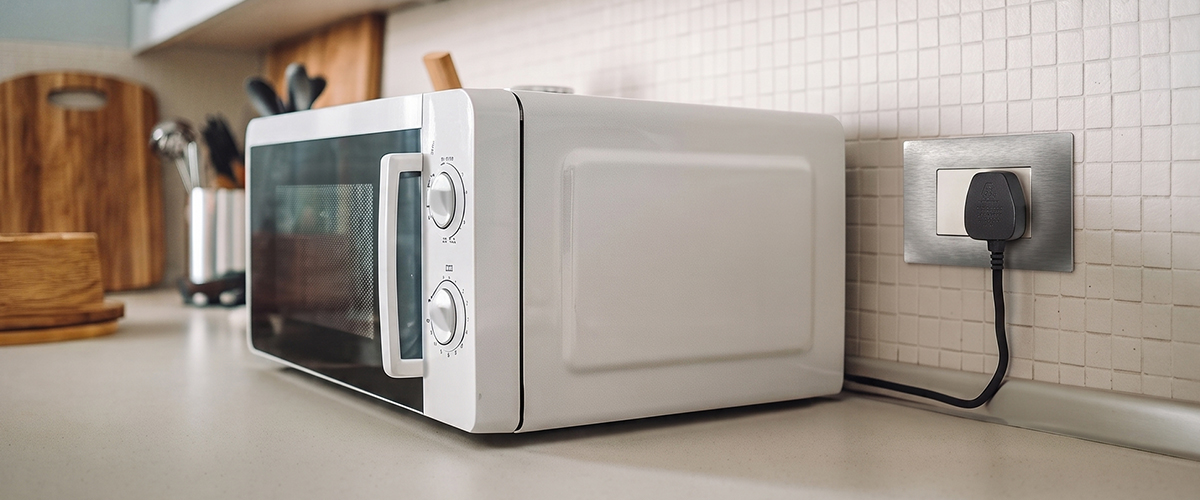
Electrical installations are increasingly expected to perform reliably in environments exposed to dust, moisture, rain, washdowns and harsh operating conditions. Whether installed in commercial buildings, industrial facilities, utilities or outdoor infrastructure, electrical equipment requires robust protection to ensure safety, continuity and long-term performance.
Resolving challenges consumer centric approach, unrivalled depth in over 300,000 references of products & solutions

 BANGALORE, INDIA
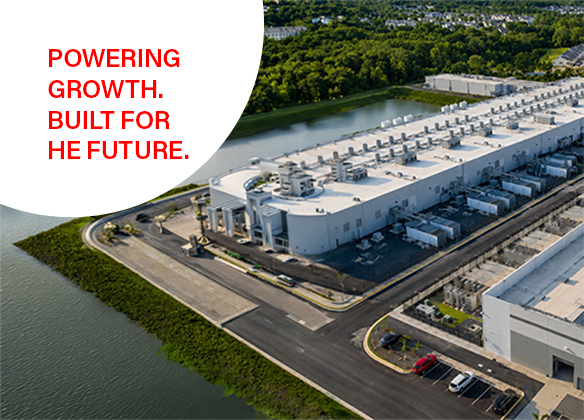
PUNE, INDIA
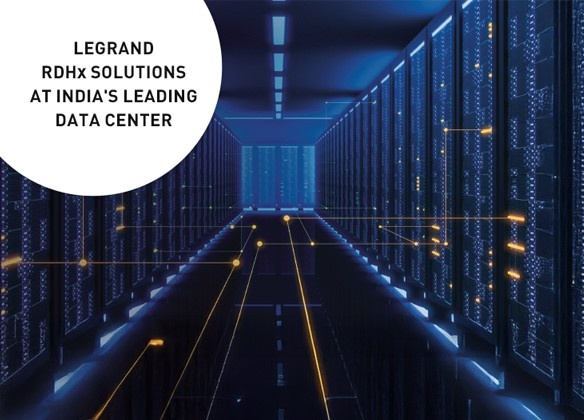
Navi Mumbai, India
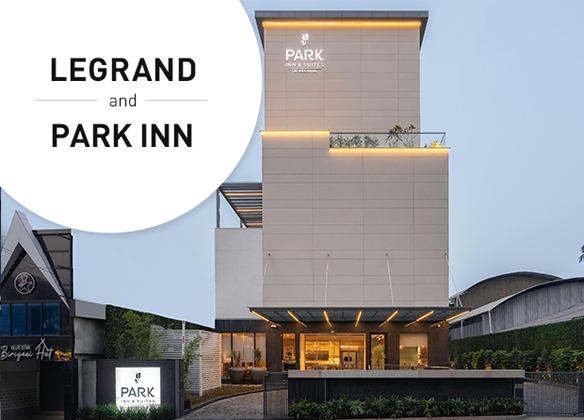
Thrissur, Kerala
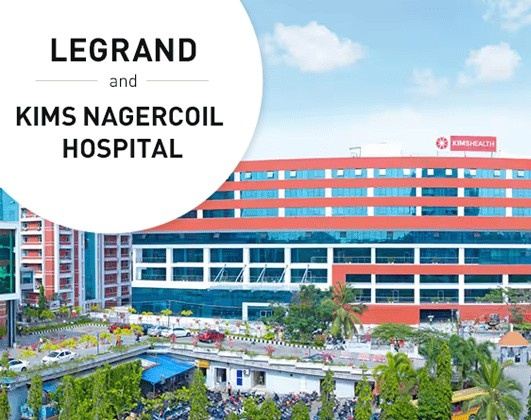
Nagercoil, Tamil Nadu












 Eliot
Eliot LDCS
LDCS

 Residential
 Commercial
 Hospitality
 Industrials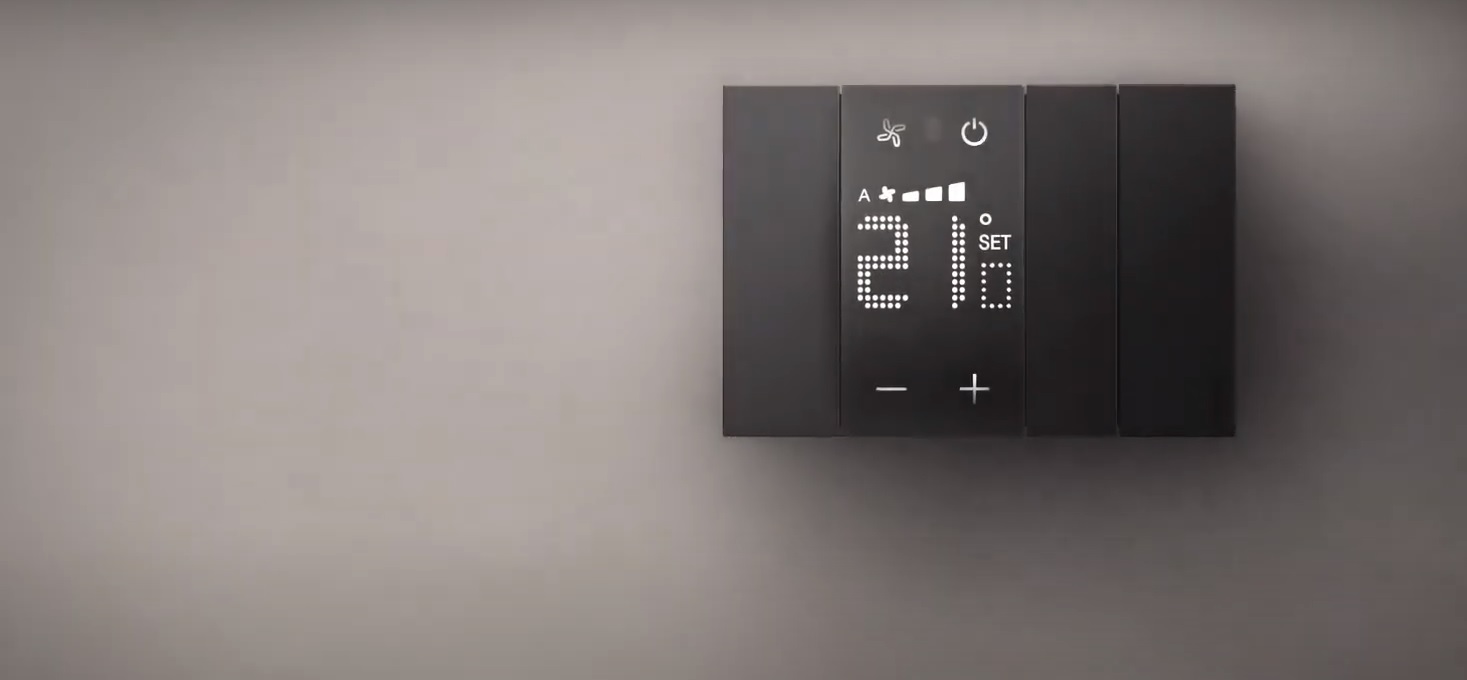

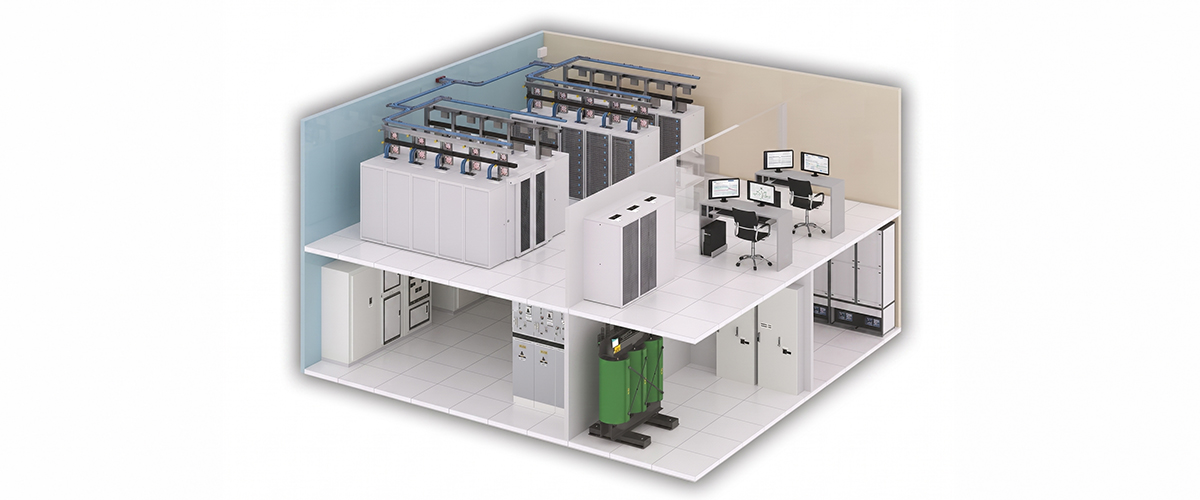



 Data Center Solutions
 Hyperscale data centers