

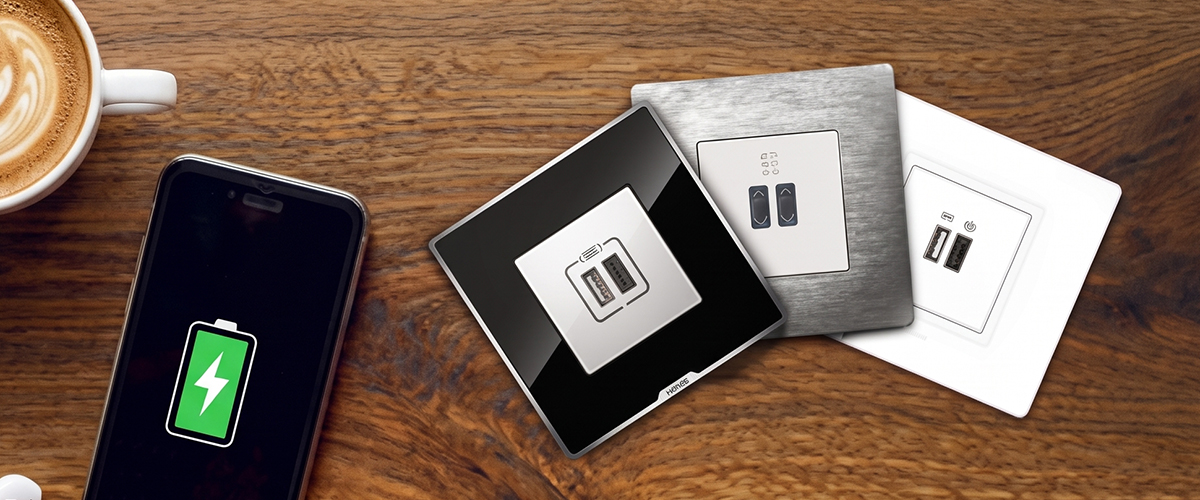
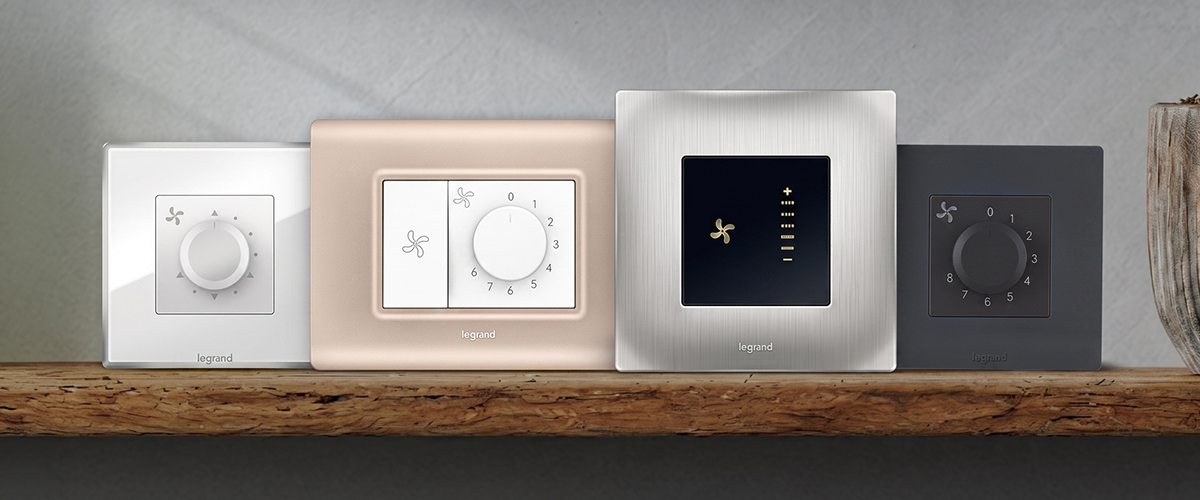
Range of accessories to enrich your living environment with enhanced user control
KNOW MORE

Containment systems with integrated cooling mechanisms to regulate temperature

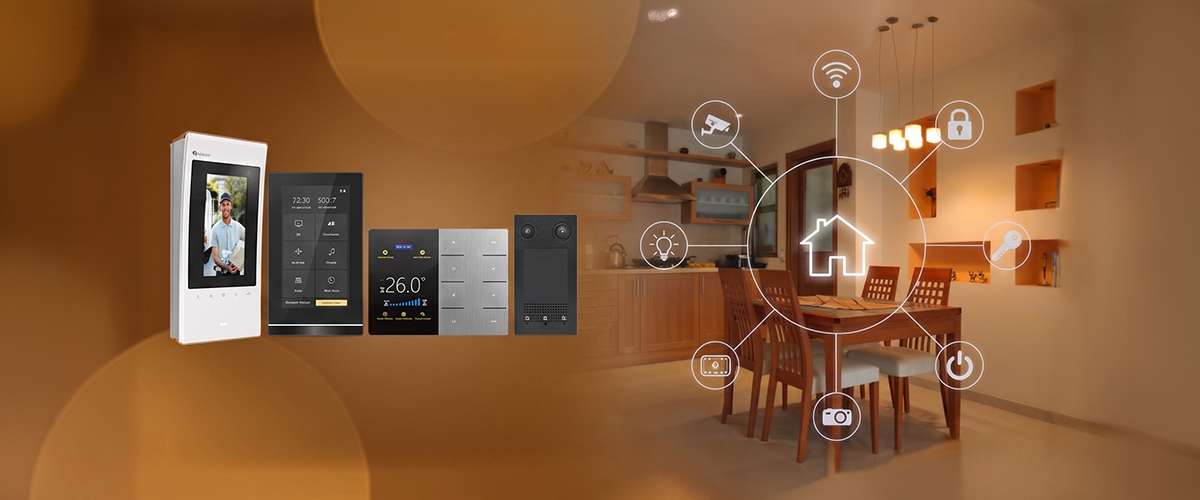
Range of accessories to enrich your living environment with enhanced IoT - based user


QUICK READ
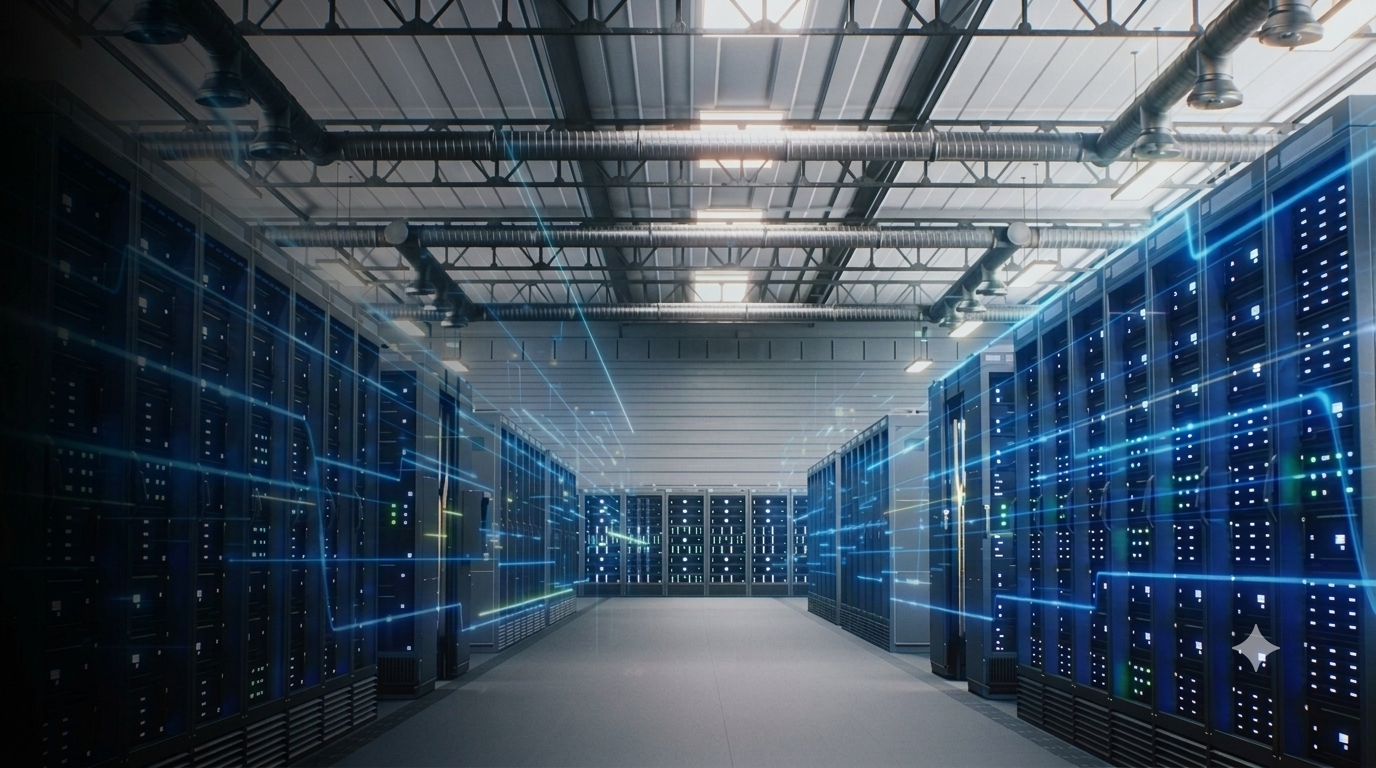
AI is fundamentally changing how data centre white space is designed. The shift from traditional enterprise workloads to AI clusters has pushed rack densities past 100 kW, with some deployments in India planning for 250 kW and beyond. GPU infrastructure runs on larger form factors, higher power and greater cooling demand than anything the industry has spec'd before. This blog explains why the rack itself is being redesigned, what the new white space looks like, and how integrated infrastructure ecosystems are supporting the shift.
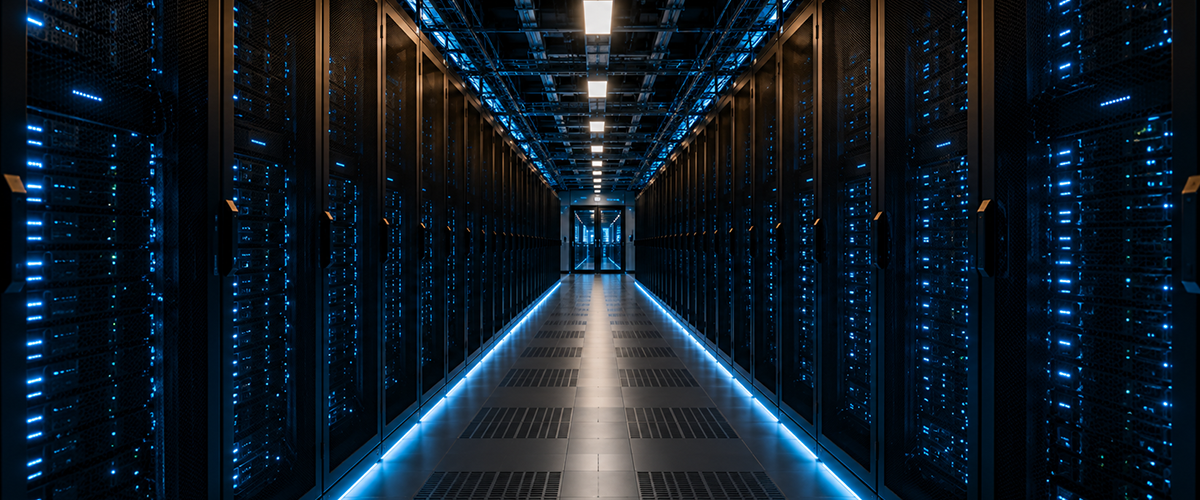
Something has shifted on the data centre floor. AI has fundamentally changed the workload profile that white space is being built for. Traditional enterprise racks were designed for stable, predictable compute — 8 kW of database, application and virtualisation workloads sitting in a familiar form factor. AI clusters are a different kind of workload entirely.
Training a large model is not one server working steadily. It is hundreds of GPUs working in parallel, at full utilisation, for weeks at a time. Each GPU chassis draws more power, generates more heat, and takes up more physical space than the CPUs it replaces. The result is rack densities that used to be considered extreme — 100 kW and above — becoming the new baseline. Some hyperscale campuses coming up in Mumbai, Chennai and Hyderabad are planning for 250 kW per rack. Others are already there.
This changes the role of the rack itself. Deeper chassis are needed to fit GPU-based servers. Heavier structural loads have to be supported — a fully populated GPU rack can weigh 1,500 to 2,000 kg. Larger cable volumes and denser power feeds have to be routed without blocking airflow. Cooling requirements move from ambient hall air to rack-level liquid or rear-door heat exchange. The rack is no longer a passive frame. It is a working piece of infrastructure that carries as much design intent as the servers inside it.
For anyone who has watched Indian data centres evolve over the last five years, this isn't a gradual transition. It's a step change. And the floor those racks sit on, along with everything around them, is being redesigned to keep up.
Our Power Train blog looked at how the grid-to-compute architecture is changing. Meanwhile, Cooling Intelligence covered how thermal management is becoming one connected system. This blog is about where those two conversations actually land — the white space itself. The operational floor. The physical infrastructure that decides whether AI workloads scale, stall or fail somewhere in between.
Here is what that rebuild looks like in practice.
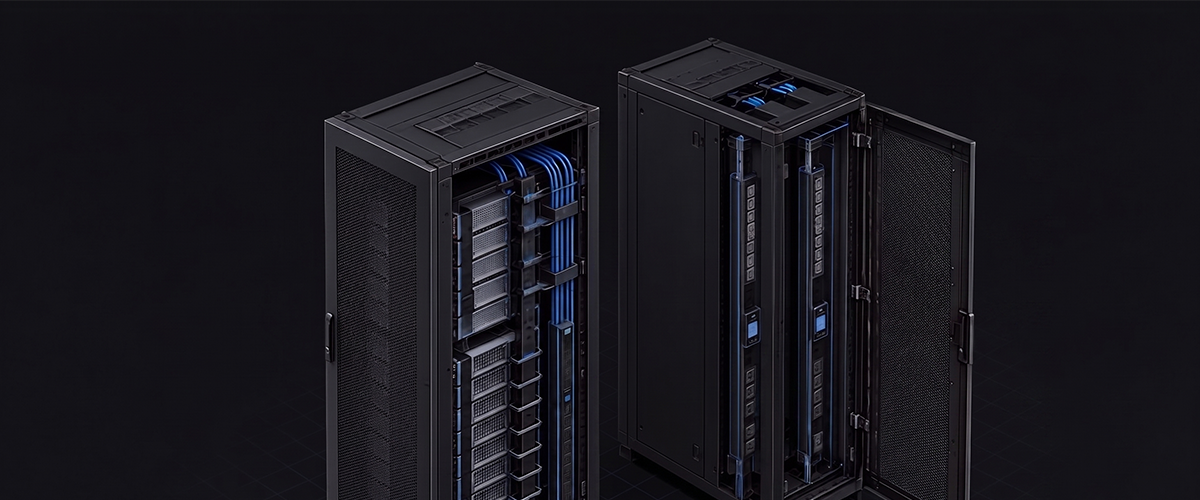
For most of the last two decades, the server rack was a fairly passive object. Just a frame. Something to hold equipment upright, route a few cables and keep things tidy. However, nobody really thought about the rack as part of the architecture.
That's changed.
In an AI-ready data centre, the rack is a structural, thermal and operational asset. It carries workloads that put out more heat than a residential air conditioner. Moreover, it has to hold GPU chassis that can weigh as much as a small hatchback. It houses the power and cooling interfaces that keep those chassis alive. As a result, teams now measure, monitor and spec it with the same rigour as the servers inside it.
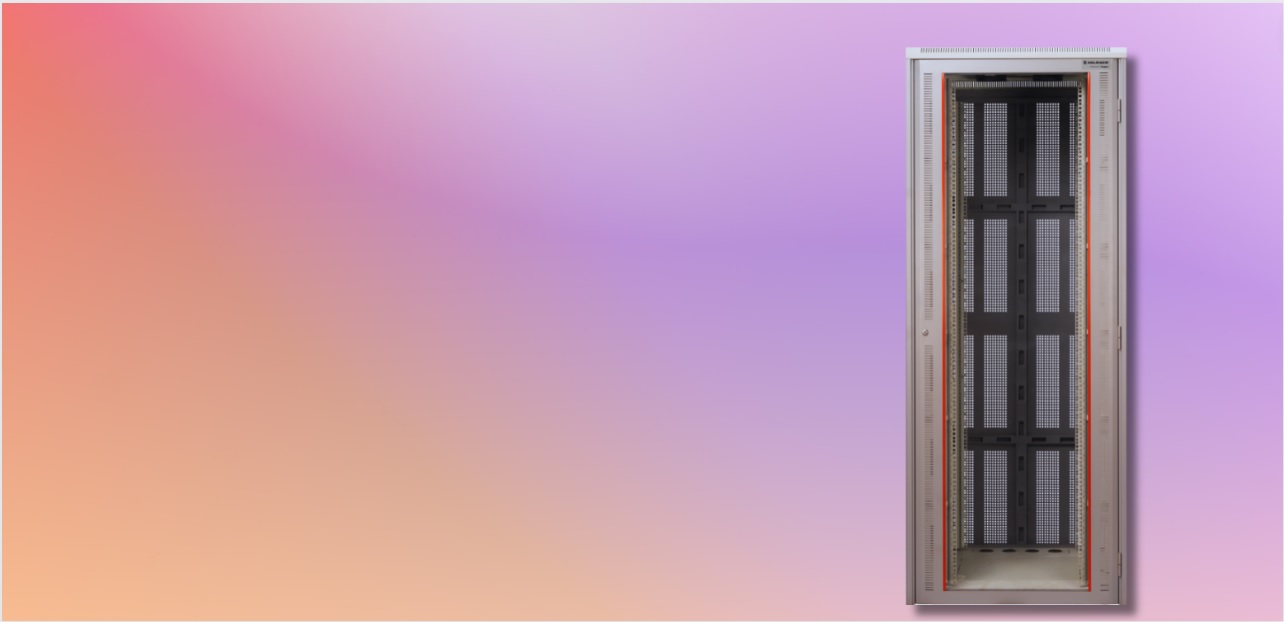
Two Legrand rack ecosystems address this reality: Minkels and NETRACK. Both are engineered for extended depths that fit deep GPU chassis, structural integrity that holds up to 2,000 kg of live equipment, and pre-routed cable pathways inside the rack so airflow is not blocked later. NETRACK goes further by covering the full accessories stack around the chassis — containment, in-rack cable management, rack-level PDUs and environmental monitoring, so every element inside the rack meets the same thermal, structural and operational envelope. Sourcing an integrated ecosystem from one manufacturer eliminates the interface risks that appear when accessories come from four different places.
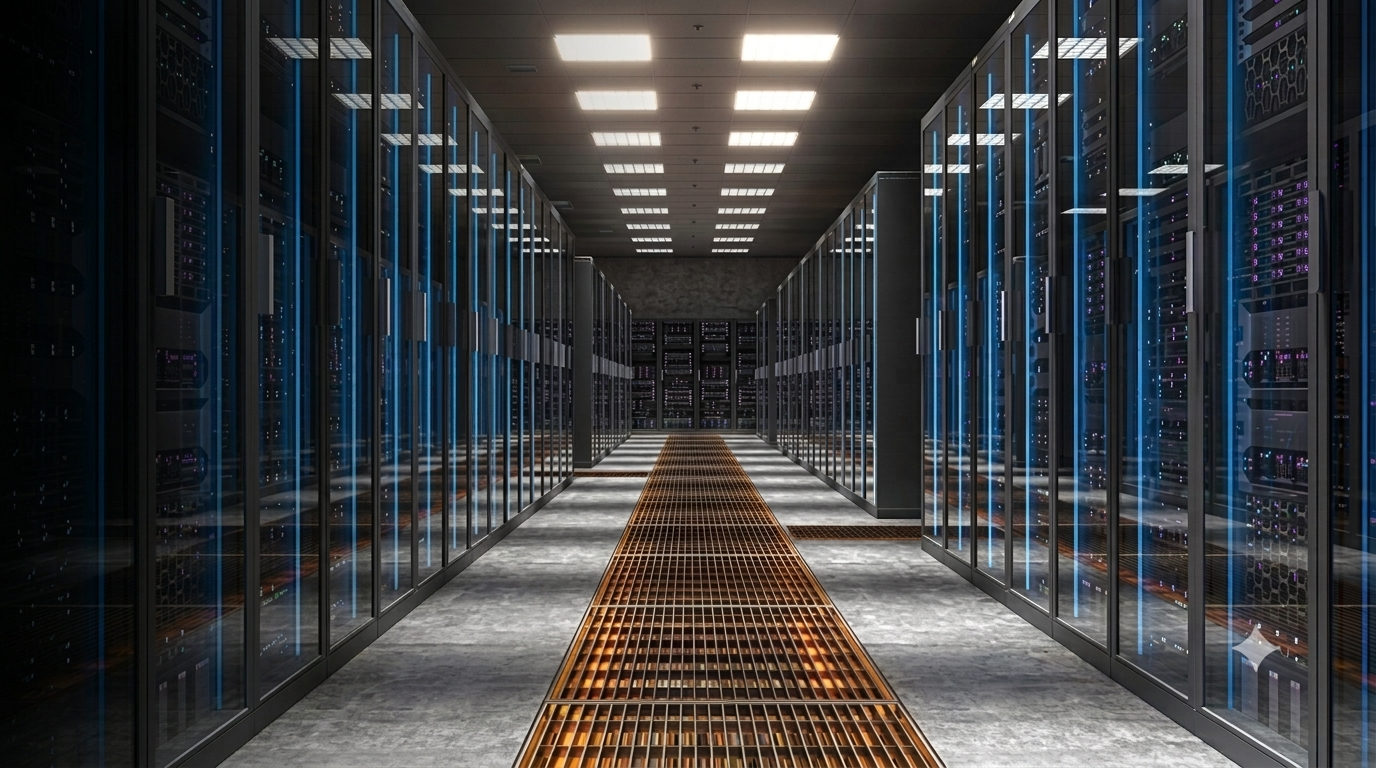
Once you cross 100 kW per rack, containment stops being optional. Open racks in an air-cooled hall can't hold the thermal envelope AI workloads need. They just can't.
Indian operators are consolidating around three approaches. First, cold aisle containment is still standard for mixed-density halls. Next, hot aisle containment has become the default for higher-density zones. Finally, at rack-level, chimney enclosures and full-rack containment are moving out of specialist territory and into mainstream AI-ready white space design.
What matters here is how the containment integrates with the rack. Minkels containment systems sit with the rack chassis, not around it. Similarly, NETRACK's containment range works on the same principle. In both cases, when you specify containment and rack together, thermal seals hold under sustained load. Cable entries don't break airflow separation. And rear-door cooling can be added later without pulling the whole thing apart. Containment becomes an extension of the rack. Not a retrofitted box.
Here's a conversation that most rack briefs skip. A fully populated GPU rack today weighs somewhere between 1,500 and 2,000 kg. That's a serious structural engineering problem, especially when it lands on a raised floor that was originally spec'd for 8 kW workloads.
Retrofitting an existing hall to hold AI racks usually means reinforcing the floor. Sometimes it means redesigning the rack layout to distribute load better. In some cases, it means revisiting the seismic bracing across the whole zone. None of this is cheap. None of it is quick, either. On the other hand, new builds handle it at the design stage — teams coordinate rack load ratings, floor tile specs and structural engineering from day one.
Minkels rack designs go through load testing and certification for high-density AI deployments. Meanwhile, NETRACK extends the same structural philosophy, engineered and manufactured for the Indian market as a full accessories ecosystem. The upshot: the rack chassis specification is now part of the building brief, not the IT brief.
A 100 kW rack is a serious piece of engineering. Servicing one safely — quickly, without shutting down half the row — is a distinct operational discipline. Moreover, it gets designed into the white space or bolted on later at much higher cost.
There are four design decisions that carry most of the load.
Overhead cable pathways engineered for scale and access. Wire mesh cable tray systems like Cablofil keep power and data routes above the racks organised, ventilated and maintainable even at density. Trays that don't sag, don't heat up and don't need dismantling for routine work.
Integrated cable management inside the rack chassis. So that reaching a component doesn't require pulling out cables to a dozen other things.
Rack-level intelligent PDUs. Raritan PX4 and Server Technology PRO4X give operators outlet-level visibility and remote switching. As a result, if something spikes, you see it and you can act without walking to the rack.
Rack-level environmental monitoring. Teams track temperature, humidity and airflow continuously, with anomalies flagged before they turn into incidents.
Put together, these turn the rack from a service liability into a service asset. Consequently, operators identify, diagnose and resolve without opening the enclosure. Uptime goes up. Intervention time drops. And the operational cost of running high-density infrastructure comes down with it.
Rack, containment, cable pathways, power delivery, intelligence — these are not five separate procurement decisions. They are one system, and how that system is sourced makes a material difference to how the data centre performs over its life.
When accessories are procured separately from different manufacturers, the integration risk sits with the operator. Cable trays that don't align cleanly with rack chassis. Containment systems that don't seal properly against a different vendor's rack frame. PDUs that don't fit standard mounting slots. Each mismatch adds hours to deployment and cost to operation. Every additional vendor also means an additional support contract, an additional spare parts inventory, an additional troubleshooting call when something fails.
.png)
An integrated ecosystem approach resolves this. When the rack, the accessories inside it, the pathways above it and the intelligence layer running through it are all engineered to interoperate by design, deployment is faster because components fit together as intended. Lifecycle management is easier because upgrades and replacements come from one product family with consistent specifications. And when something goes wrong, single-point accountability means one support relationship, not five. The result is lower total cost of ownership and higher operational reliability across the life of the campus.
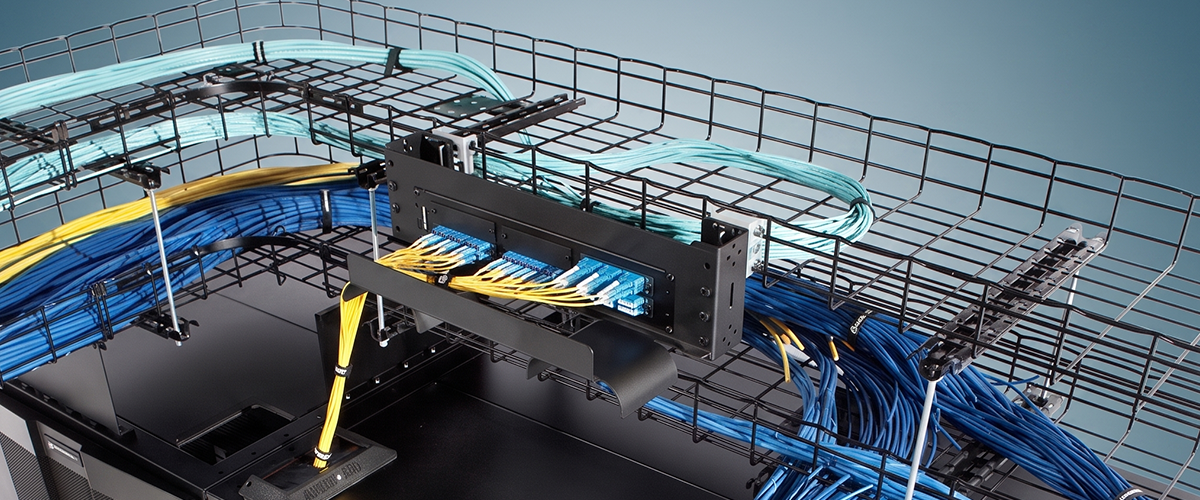
Legrand's approach is built on that principle. Minkels and NETRACK anchor the ecosystem — one engineered for global high-density deployments, the other engineered and manufactured for the Indian market. Both bring the rack chassis, containment, cable management, PDUs and monitoring into a single specification. Cablofil then connects those racks across the hall through overhead wire mesh pathways that hold up under high cable volumes. Raritan and Server Technology intelligent PDUs sit at the rack itself, delivering power and giving operators outlet-level visibility, remote switching and environmental telemetry.
Every AI data centre lives or dies on the same floor. The grid-to-compute architecture from Power Train ends at the rack. Meanwhile, the thermal ecosystem from Cooling Intelligence runs through the rack. Every upstream design decision, and every downstream operational reality, meets at the physical floor of the white space.
Building for AI means treating that floor as infrastructure in its own right. Rack, containment, cable, power and intelligence — designed together, specified together, deployed together. Legrand's white space ecosystem is engineered on exactly that principle.
As AI workloads continue to evolve, white space design will become increasingly modular, higher density and more integrated, making infrastructure decisions at the physical layer as important as the compute itself.
Discover how Legrand's integrated white space architecture is powering AI-ready data centre deployments across India.
What is AI data center rack infrastructure?
AI data center rack infrastructure is the physical rack, containment, cable pathway, power delivery and monitoring system engineered to hold high-density AI workloads. Modern AI racks operate above 100 kW, and some deployments plan for 250 kW per rack, so integrated ecosystems replace off-the-shelf rack cabinets.
How much does a modern AI rack weigh?
A fully populated GPU rack in an AI data centre weighs between 1,500 and 2,000 kg. This weight is a structural engineering consideration for both new builds and retrofits, so teams often reinforce the floor, revise seismic bracing or purpose-design rack layouts to distribute load safely.
What is white space in a data centre?
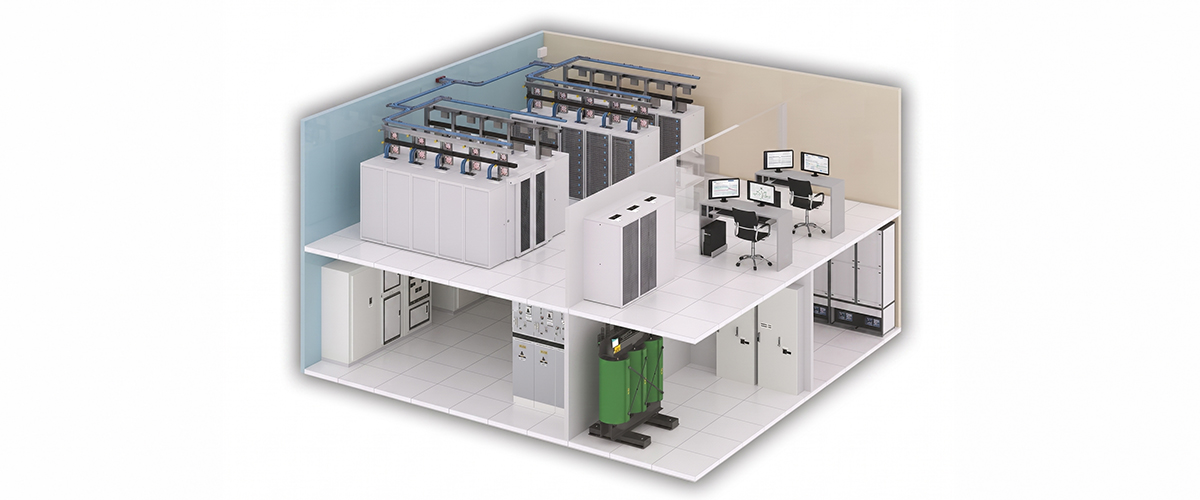
The white space is the operational floor of a data centre where racks, servers, cooling and cabling live. It is distinct from the grey space, which houses the supporting power, cooling and mechanical systems. AI workloads are driving a fundamental redesign of white space architecture.
What is the difference between cold aisle and hot aisle containment?
Cold aisle containment encloses the cold-air supply between rack rows, keeping cool air separated from hot exhaust. Hot aisle containment encloses the hot exhaust instead. For AI racks above 100 kW, chimney enclosures and full-rack containment work better because they hold thermal envelopes at extreme density.
What is Cablofil used for in a data centre?
Cablofil is a wire mesh cable tray system used for overhead power and data pathways in data centres. It routes cables above the rack rows with strong load capacity, natural ventilation and easy access for maintenance. Therefore, it suits high-density AI deployments where cable volumes run heavy.
What is a rack-level intelligent PDU?
A rack-level intelligent PDU (Power Distribution Unit) delivers power to servers within a rack and provides outlet-level visibility, remote switching and environmental telemetry. Raritan PX4 and Server Technology PRO4X are two examples used across AI-ready data centres for operational control and predictive maintenance.
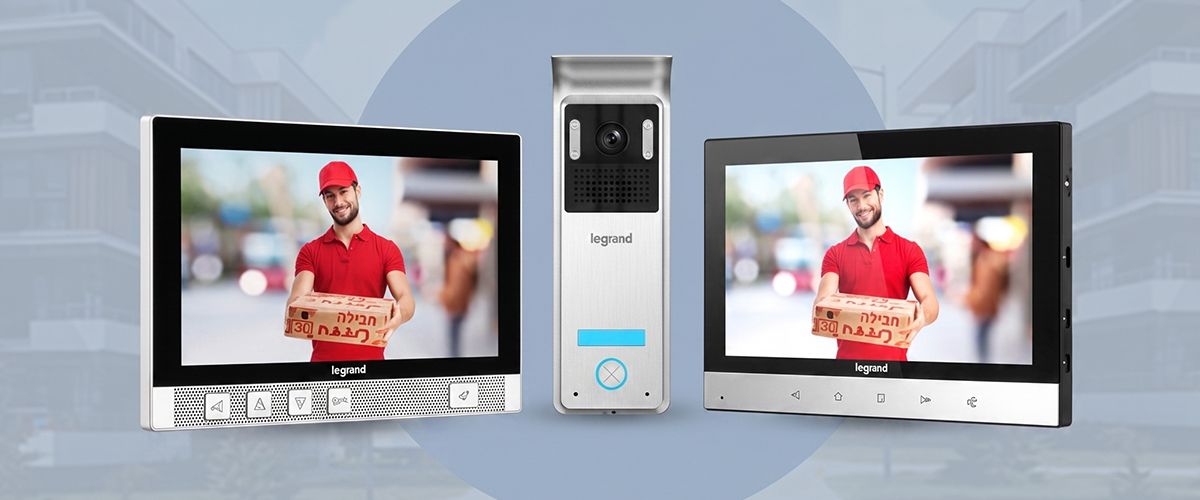
Step into 2025 with enhanced security: door video phones
READ SMART SPACE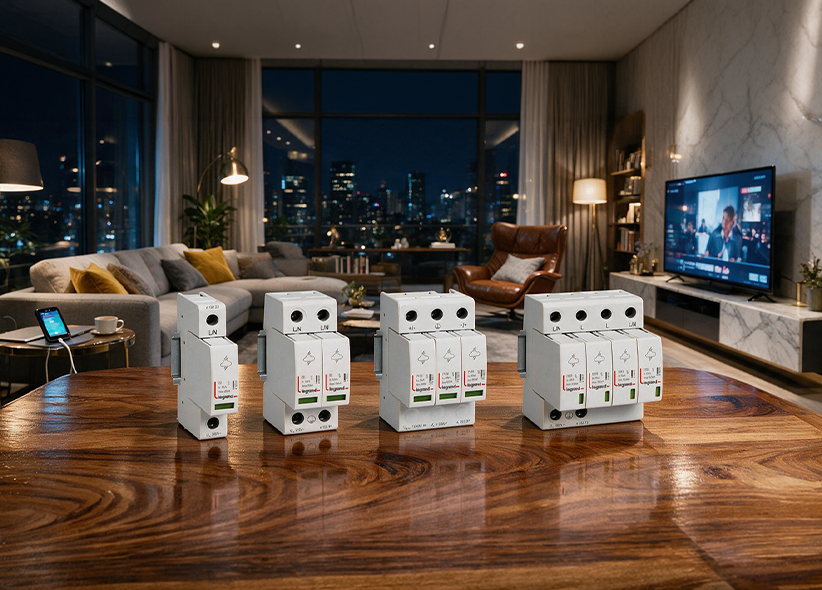
Everything You Need to Know About Surge Protection Devices
READ SMART SPACE









 Eliot
Eliot LDCS
LDCS
 Residential
 Commercial
 Hospitality
 Industrials



 Data Center Solutions
 Hyperscale data centers