

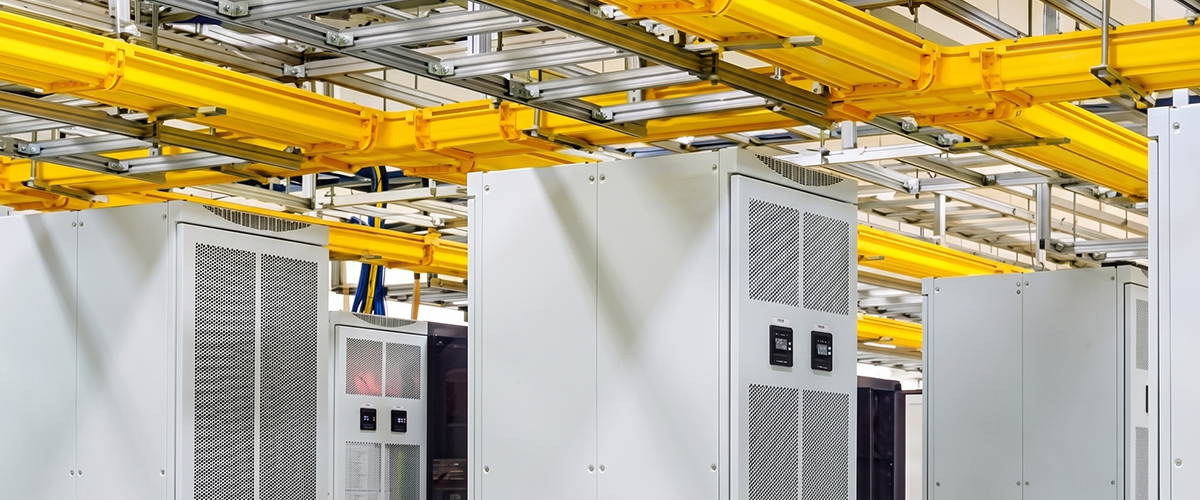
Containment systems with integrated cooling mechanisms to regulate temperature

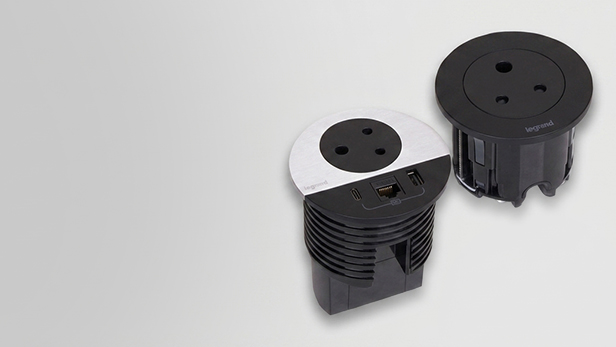
Range of accessories to enrich your living environment with enhanced IoT - based user


The demand for smart home automation systems in India is on the rise, as homeowners increasingly seek convenience, energy efficiency, and enhanced security. With the integration of technology becoming a staple in modern living, it is crucial to consider the best home automation solutions early in the construction phase. Selecting the wrong technology can lead to costly upgrades, rewiring needs, and compatibility issues down the line. This article will explore the three major approaches to home automation: Wired Home Automation, Wireless Home Automation, and Hybrid Home Automation, comparing them across key criteria such as cost, reliability, scalability, security, and long-term value.
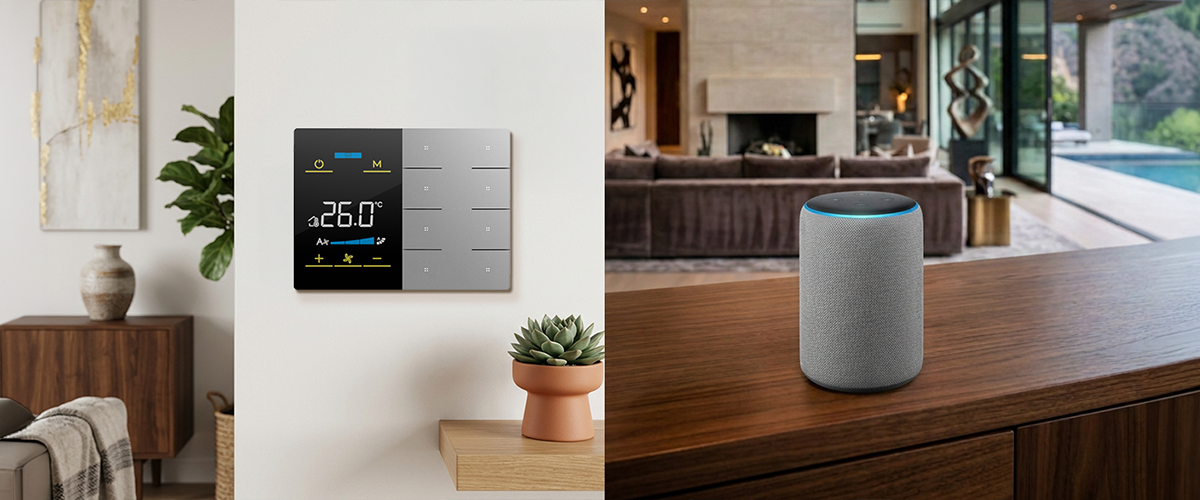
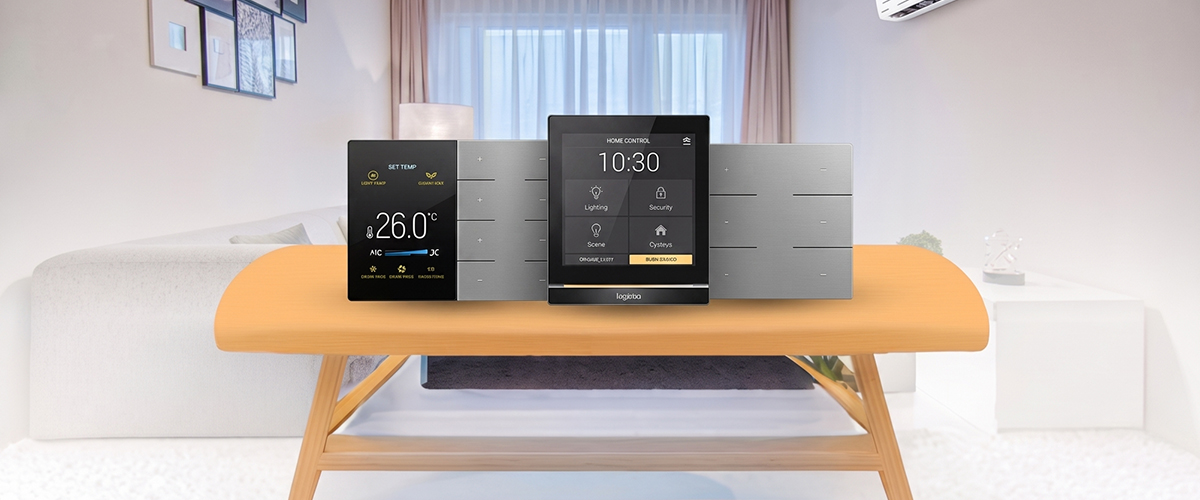
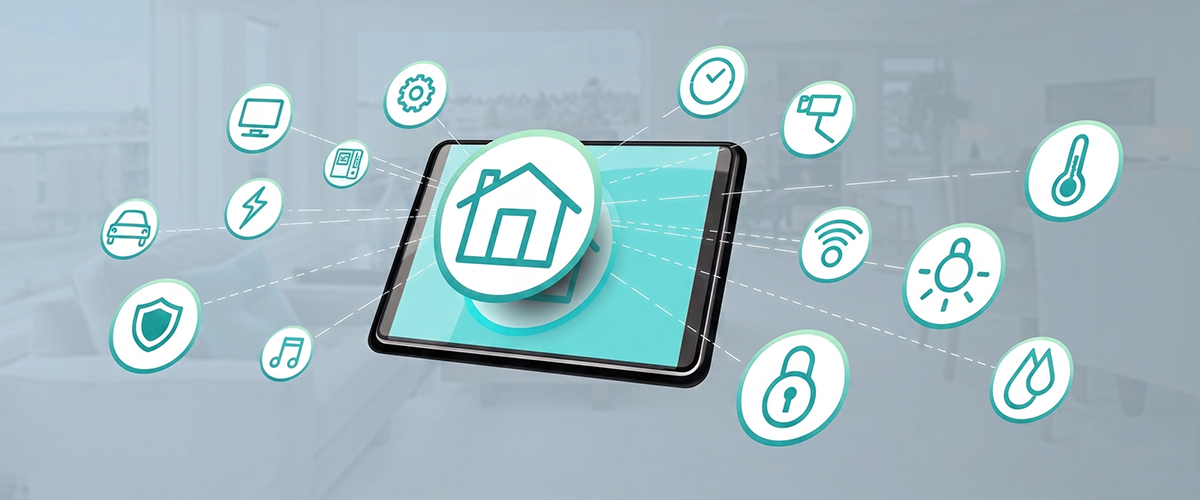
A home automation system refers to the centralized control of various devices and appliances within a home. These systems allow homeowners to automate and manage their living spaces through smart technology, making daily life more convenient and efficient. Key components of a home automation system typically include:
Smart Lighting Control: Automatically adjust lighting based on occupancy or time of day.
Automated Curtains and Blinds: Control natural light and privacy with ease.
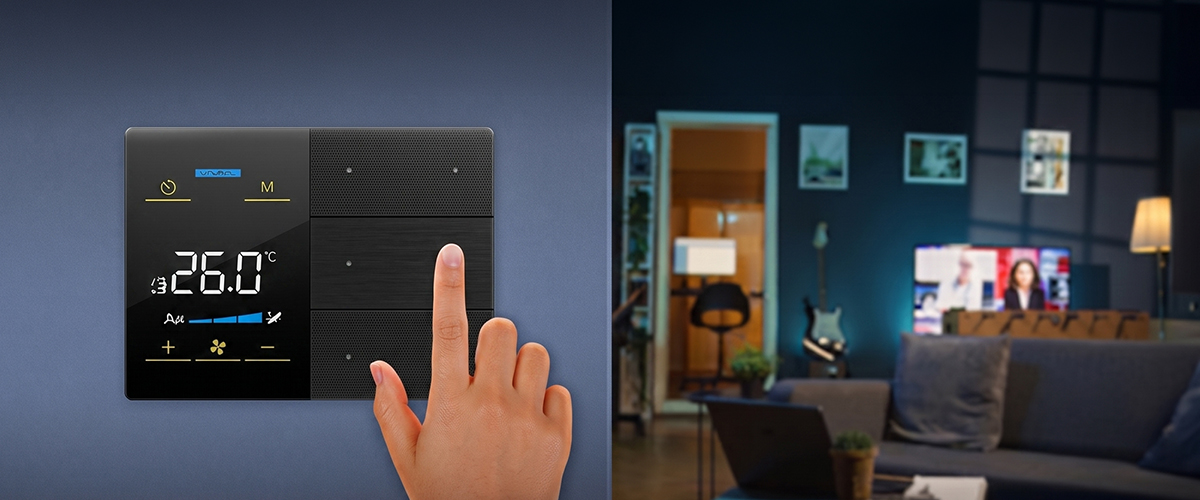
HVAC and Climate Control: Maintain comfort levels with smart temperature management.
Home Security Systems: Monitor and secure your home from anywhere.
Smart Locks and Access Control: Enhance security with keyless entry systems.
Energy Management Systems: Optimize energy usage for cost savings.
Voice Assistants and Voice Control: Simplify commands and interactions.
Home automation systems offer numerous benefits, including increased convenience, energy savings, enhanced comfort, and improved security. Through mobile app integration, homeowners can control their devices remotely, set schedules, and create customized automation scenarios.
Home automation systems can be implemented using wired, wireless, or hybrid technologies. Each approach has distinct installation requirements and influences the choice of system based on construction stage, budget, and future scalability. Understanding these differences is essential for homeowners seeking to make informed decisions.
Wired home automation systems utilize physical wiring to connect devices and enable centralized control. Key aspects include:
KNX: An internationally recognised open standard for wired building and home automation.
Bus Cable Architecture: Ensures efficient communication between devices.
Centralized and Distributed Control: Distributed Intelligence Architecture
Dedicated Communication Networks: Enhances reliability and security.
Professional Installation Requirements: Ensures optimal performance and compliance.
The benefits of wired systems are notable: they provide high reliability, fast response times, long lifespan, superior security, and minimal interference. As a result, wired automation is often preferred for luxury villas and large properties, offering excellent scalability for future expansion.
Wireless automation technology allows devices to communicate without the need for dedicated control wiring. Types of wireless systems include:
Wi-Fi Automation: Leverages existing Wi-Fi networks for device connectivity.
Zigbee Protocol: A low-power, short-range communication standard.
Z-Wave Protocol: Designed for home automation with low power consumption.
Thread Protocol: A new standard for IoT device connectivity.
Bluetooth-Based Automation: Useful for short-range device control.
Wireless systems offer benefits such as faster deployment, lower installation costs, and easy upgrades, making them ideal for retrofitting existing homes. However, limitations like signal interference and reliance on strong Wi-Fi coverage should be considered.
Hybrid home automation combines the reliability of wired infrastructure with the flexibility of wireless devices. In a hybrid setup, critical systems such as lighting, HVAC, security, and energy management can run on a wired backbone, while additional devices like sensors, smart plugs, and voice assistants connect wirelessly.
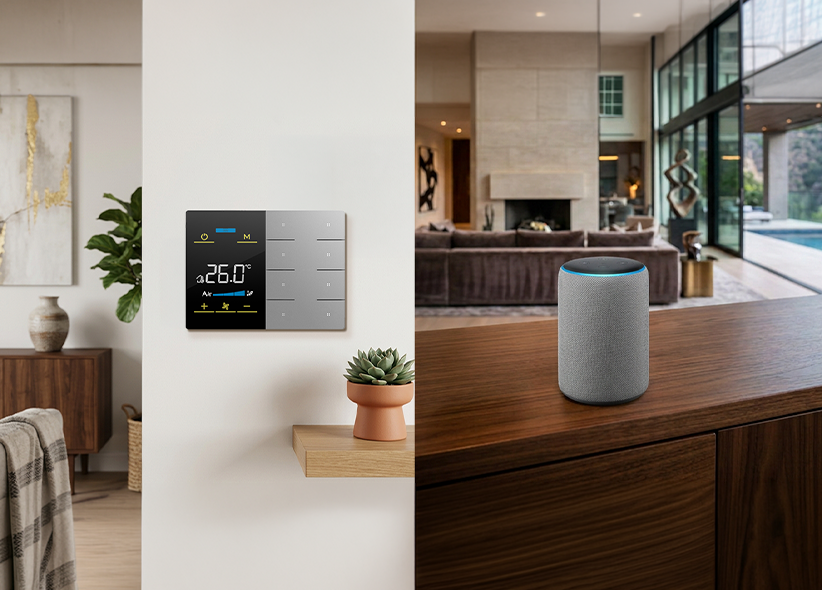
Modern hybrid systems can integrate wired automation platforms with wireless technologies, enabling compatibility with voice assistants such as Amazon Alexa, Google Assistant and Apple Siri. Homeowners can create automation scenes such as "Good Morning," "Movie Mode," or "Away Mode" to control multiple devices with a single command. Remote monitoring through mobile apps further allows users to manage their homes from anywhere in the world.
This approach is becoming increasingly popular in India because it offers the best balance between performance, scalability, and cost. Hybrid home automation is particularly suitable for independent homes, luxury villas, and premium residential projects where homeowners want future-ready infrastructure without the higher costs of a fully wired system. Hybrid systems can integrate multiple communication technologies and standards - including KNX, Zigbee, Thread and Matter-compatible ecosystems - depending on the products selected.
Legrand's portfolio supports both wired and wireless automation approaches, allowing homeowners to select solutions that best match their project requirements while maintaining flexibility for future expansion.
| Feature | Wired Automation | Wireless Automation |
|---|---|---|
| Installation | Complex, requires planning | Simple, quicker installation |
| Reliability | High | Varies |
| Speed | Fast response | Dependent on signal strength |
| Security | Very secure | Dependent on network security and encryption |
| Maintenance | Low | Regular checks needed |
| Scalability | High | Moderate |
| Internet Dependency | Not required for core automation | Yes |
| Lifespan | Long-lasting | Dependent on product lifecycle |
| New Construction Suitability | Highly suitable | Suitable |
There are specific scenarios where wireless systems are a more practical choice, including:
Existing apartments that require minimal installation disruption.
Renovated homes looking for quick upgrades
Rental properties, where permanency isn’t desired.
Budget-conscious projects needing quick deployment.
In these cases, wireless systems reduce installation complexity without requiring wall breaking or extensive rewiring, offering a lower initial investment while still delivering excellent functionality.
When choosing between wired and wireless systems, consider the following recommendations:
Apartments: Wireless systems are preferred for their ease of installation and lower cost.
Independent Homes: Hybrid systems often provide an ideal balance of performance and cost.
Luxury Villas: KNX or Hybrid systems are recommended for their high scalability and reliability.
Farmhouses: Hybrid architecture is ideal to ensure better coverage over larger areas.
Planning for home automation comes with its pitfalls. Common errors include:
No Conduit Planning: Homeowners should include spare conduits during construction for future upgrades.
Weak Wi-Fi Design: Effective network planning is essential for seamless connectivity.
Choosing the Cheapest Devices: Prioritize long-term reliability over initial cost savings.
Ignoring Future Upgrades: Opt for systems that allow for scalability and integration.
Vendor Lock-In: Consider future expansion and interoperability requirements before selecting an automation ecosystem.
By addressing these issues, homeowners can better navigate their smart home planning journey
| Scenario | Recommendation | Reason |
|---|---|---|
| New Apartment | Wireless Automation | Easy deployment and lower installation costs. |
| Existing Apartment | Wireless Automation | No rewiring or wall modifications required. |
| New Independent Home | Hybrid Automation | Offers flexibility with future expansion options. |
| Luxury Villa | KNX or Hybrid Automation | Highest reliability, security, and centralized control. |
| Farmhouse | Hybrid Automation | Better coverage for larger properties. |
| Premium New Construction | Wired or Hybrid Automation | Future-proof solution with long-term scalability. |
| Budget-Friendly Smart Home | Wireless Automation | Lower upfront investment. |
| Future-Proof Smart Home | Hybrid with Matter Support | Supports future upgrades and interoperability. |
Choosing between wired and wireless home automation ultimately depends on your property's construction stage, budget, and long-term goals. For new construction projects, wired home automation or hybrid home automation systems provide the strongest foundation for a future-ready smart home. They offer superior reliability, security, and scalability while reducing the need for expensive upgrades later.
Wireless home automation remains an excellent choice for existing homes, apartments, and renovation projects where rewiring is impractical. Meanwhile, hybrid systems continue to gain popularity because they combine the best features of both technologies while supporting multiple automation standards and wireless technologies, depending on the chosen ecosystem.
Wireless home automation remains an excellent choice for existing homes, apartments, and renovation projects where rewiring is impractical. Meanwhile, hybrid systems continue to gain popularity because they combine the best features of both technologies while supporting multiple automation standards and wireless technologies, depending on the chosen ecosystem.
If you're planning a new home, villa, or luxury residential project in India, investing in the right automation infrastructure during construction can deliver long-term convenience, energy efficiency, and property value.
Ready to build a future-ready smart home?
Consult a professional home automation expert and explore modern automation solutions before construction begins. Learn More About Home Automation Solutions
Is wired home automation better than wireless?
Wired home automation is generally more reliable, secure, and scalable because it uses dedicated communication cables instead of wireless signals. It is especially recommended for new construction projects where infrastructure can be planned during the building phase.
What is the best home automation system for new construction in India?
For new construction projects in India, KNX-based wired or hybrid home automation systems are widely recommended because they provide superior reliability, long-term scalability, centralized control, and easier integration with future smart home technologies.
What is the best home automation system for new construction in India?
For new construction projects in India, KNX-based wired or hybrid home automation systems are widely recommended because they provide superior reliability, long-term scalability, centralized control, and easier integration with future smart home technologies.
Which is more secure: wired or wireless automation?
Wired automation systems are generally considered more secure because they use dedicated communication networks that are less vulnerable to interference. However, modern wireless systems with strong encryption also provide a high level of protection.
Which is better for a multi-story luxury villa in India: wired or wireless automation?
For multi-story luxury villas, wired or hybrid home automation systems are usually the best choice because they provide superior coverage, centralized management, faster response times, and greater scalability for future expansions and upgrades.

Beyond Bandwidth: How AI Is Rewriting the Physical Connectivity Layer
READ SMART SPACE

















 Eliot
Eliot LDCS
LDCS


 Residential
 Commercial
 Hospitality
 Industrials







 Data Center Solutions
 Hyperscale data centers