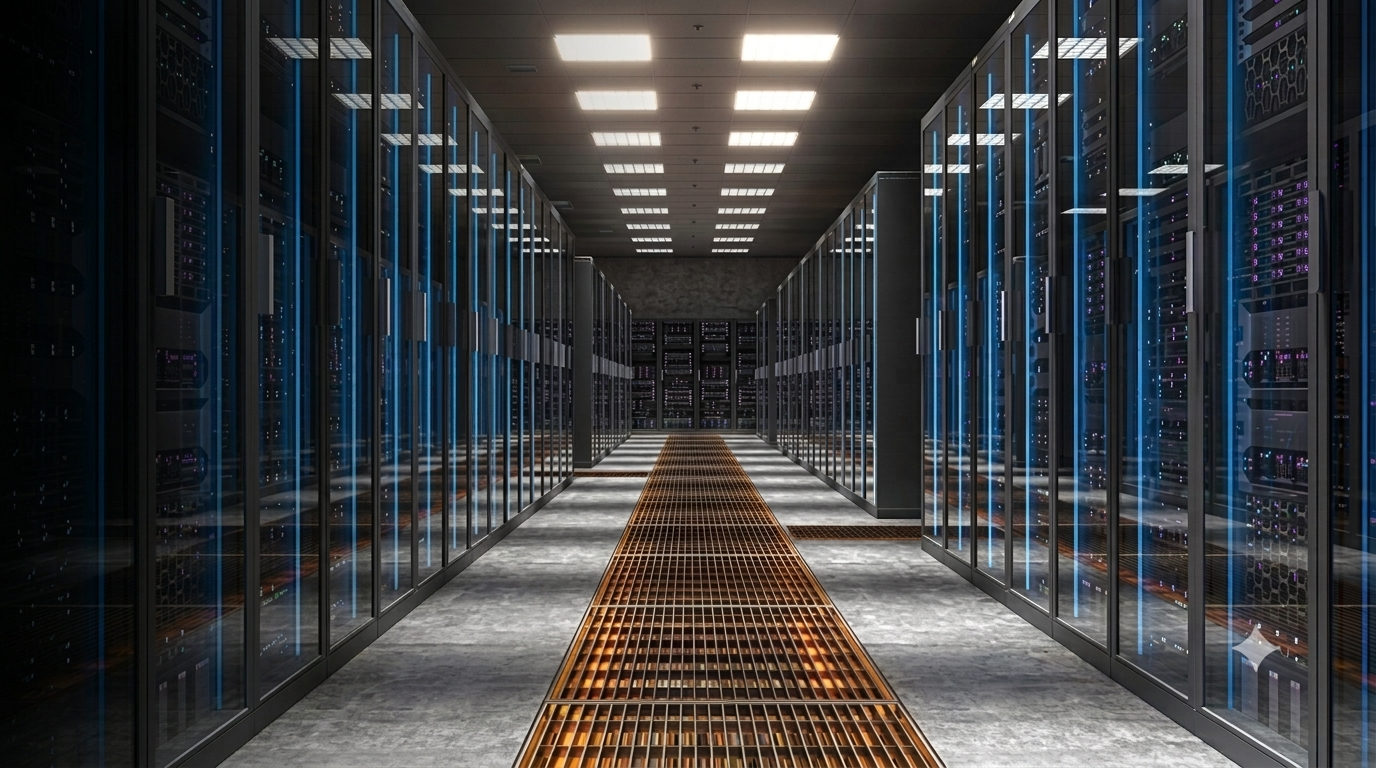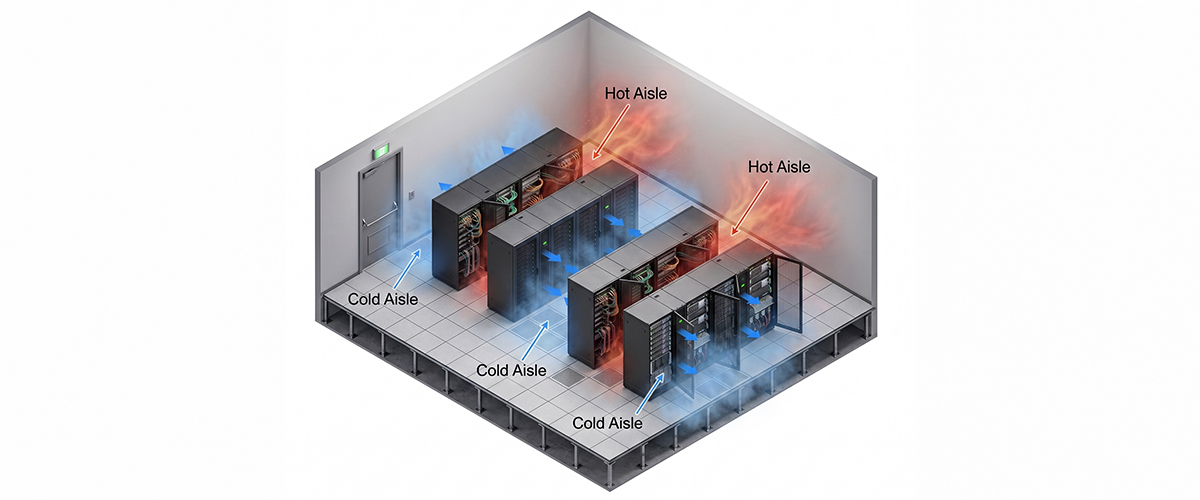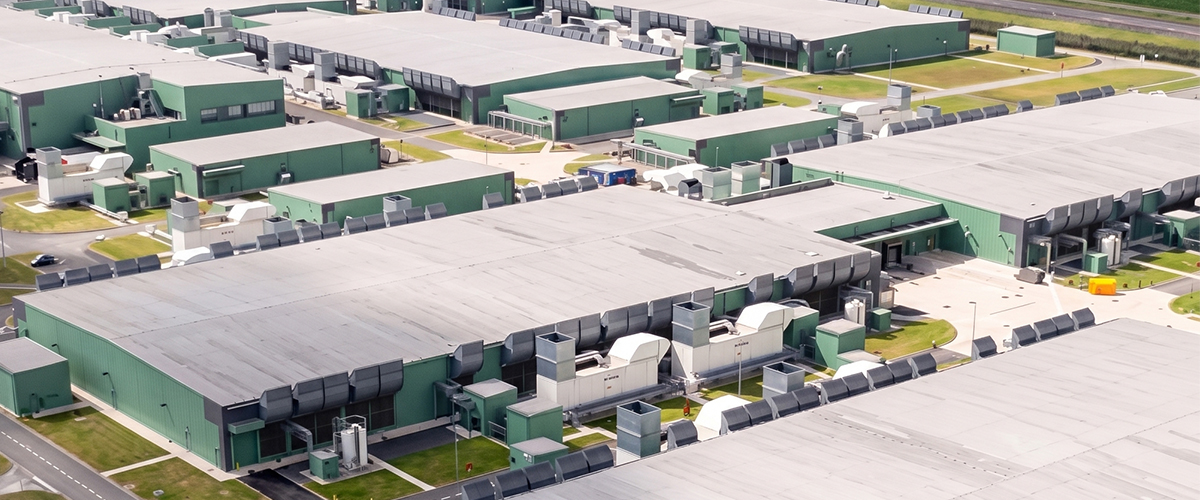



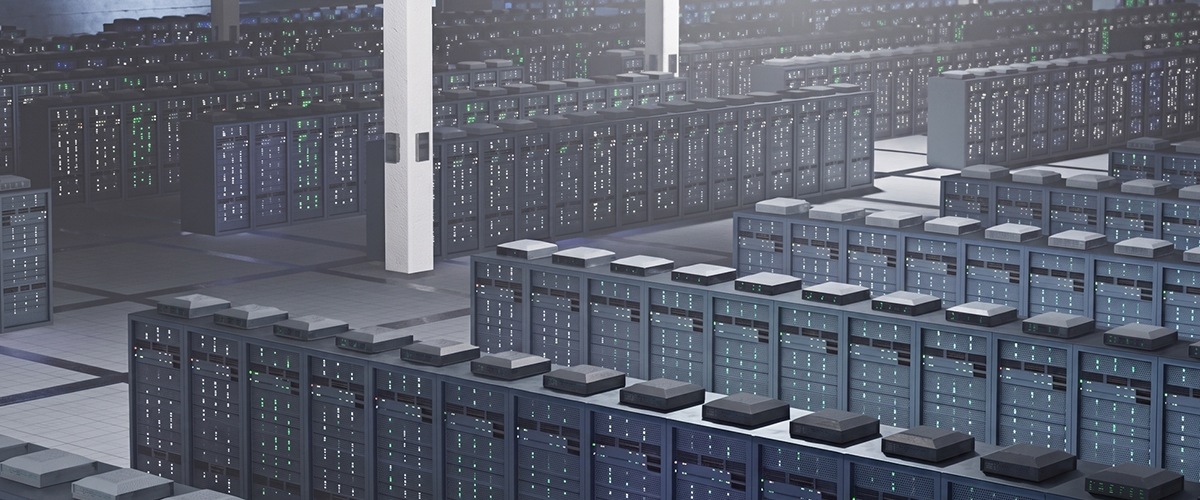
Containment systems with integrated cooling mechanisms to regulate temperature
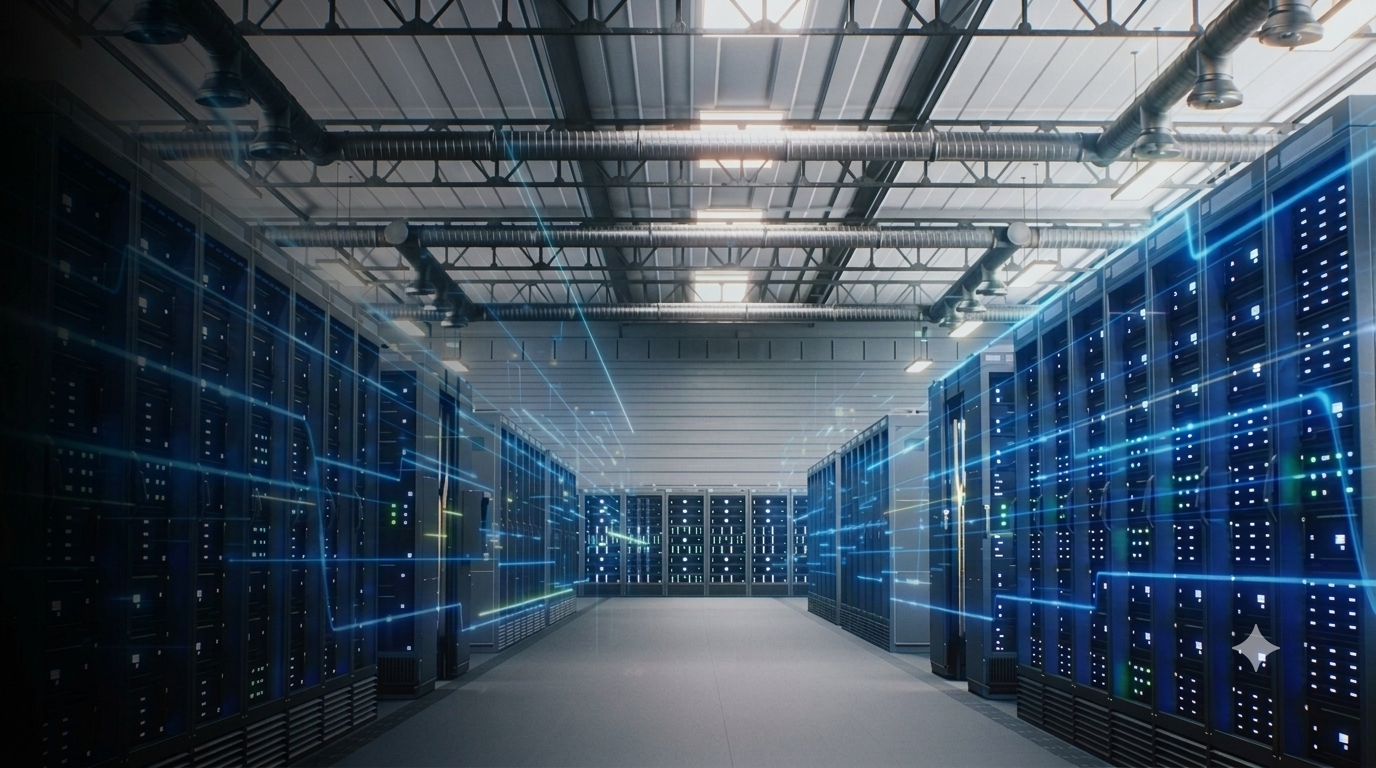
Powering Data Centers. Enabling Possibilities.

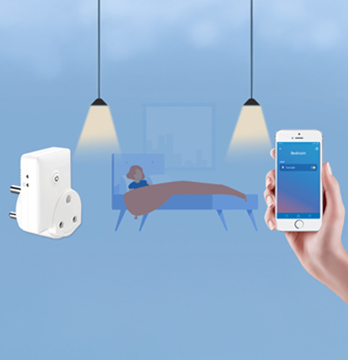
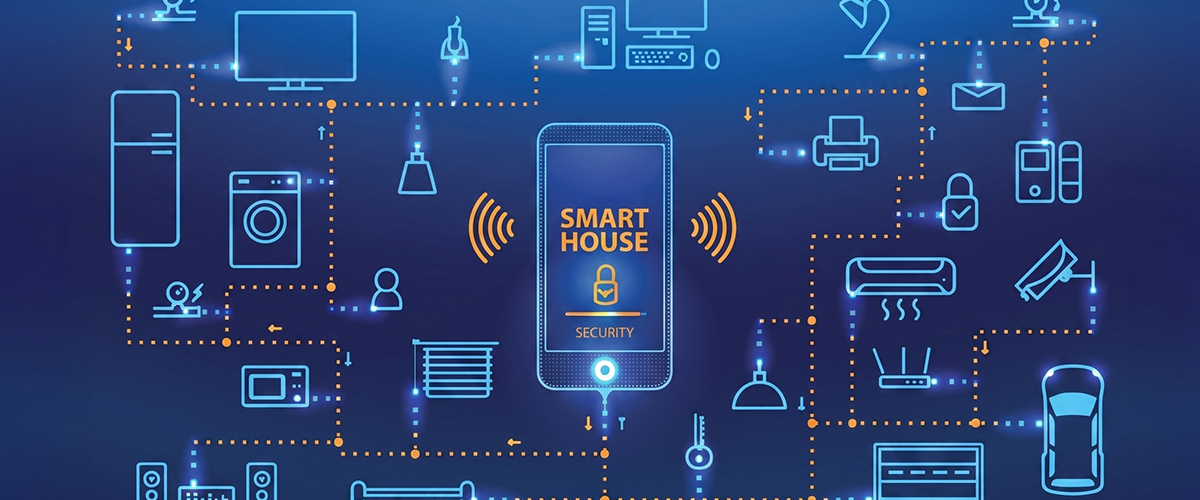
Range of accessories to enrich your living environment with enhanced IoT - based user


When people talk about Artificial Intelligence, the focus is often on GPUs, models, and compute breakthroughs. But the real transformation is happening deeper, within the infrastructure that powers it all.

Modern data centers are no longer passive facilities. They are high-performance environments where power, thermal management, and infrastructure design directly determine compute capability. And today, that infrastructure is under unprecedented stress.
Let us step into the engine room and examine five critical infrastructure decisions shaping modern data center performance.
Designing for Extreme Density: The New Reality of AI Workloads
The definition of high density has fundamentally changed.
What was once considered advanced at 10 kW per rack has now moved far beyond. AI-driven deployments are already operating in the range of 80 to 120 kW per rack, with 200 kW becoming a realistic design benchmark. In advanced environments, rack densities are now approaching 400 to 500 kW, with discussions even moving toward megawatt-scale clusters.
This shift is not incremental. It is structural. AI workloads are highly dynamic, GPU-intensive, and thermally demanding. This places simultaneous pressure on both the white space, where IT equipment resides, and the grey space, where electrical infrastructure supports it.
Designing for current demand is no longer sufficient. Infrastructure must be planned to accommodate future density without requiring complete redesign. This requires alignment between rack design, power distribution, and thermal strategy from the outset.
Rethinking Power Distribution: From Cable-Led to Busway Architectures
As densities increase, traditional cable-based power distribution systems begin to show limitations. High cable volumes lead to congestion, complex routing, and reduced flexibility during expansion.
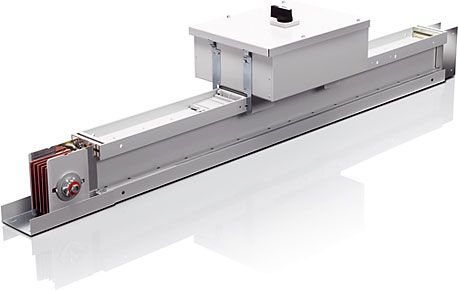
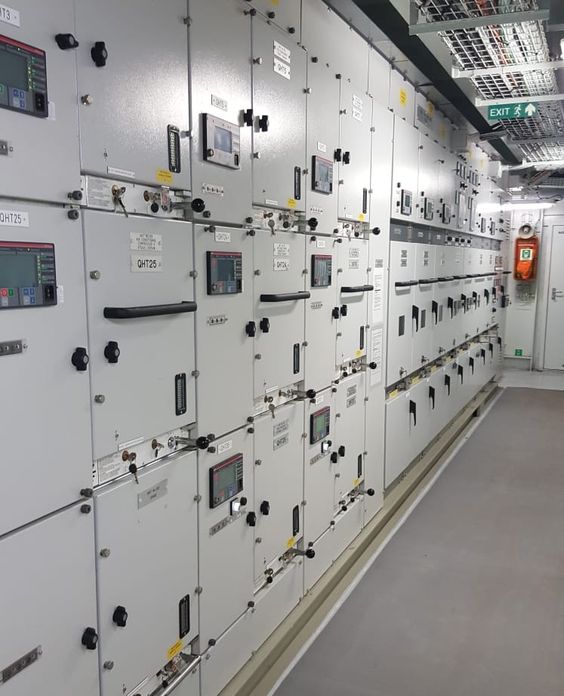
In contrast, busway-based architectures are becoming the preferred approach in modern data centers. These systems allow power to be distributed more efficiently across the white space while enabling faster and safer expansion through modular tap-offs. At the same time, in the grey space, modular low-voltage switchboards designed as per IEC standards allow facilities to scale capacity without major redesign. This creates a more adaptable electrical backbone that supports continuous growth.
The shift from cable-heavy systems to modular power distribution is not just an upgrade in design. It is a fundamental requirement for scalability in AI-driven environments.
Cooling Is Now a Core Infrastructure Constraint
Cooling is no longer a secondary consideration. At high densities, it becomes a defining factor in how much compute a data center can support.
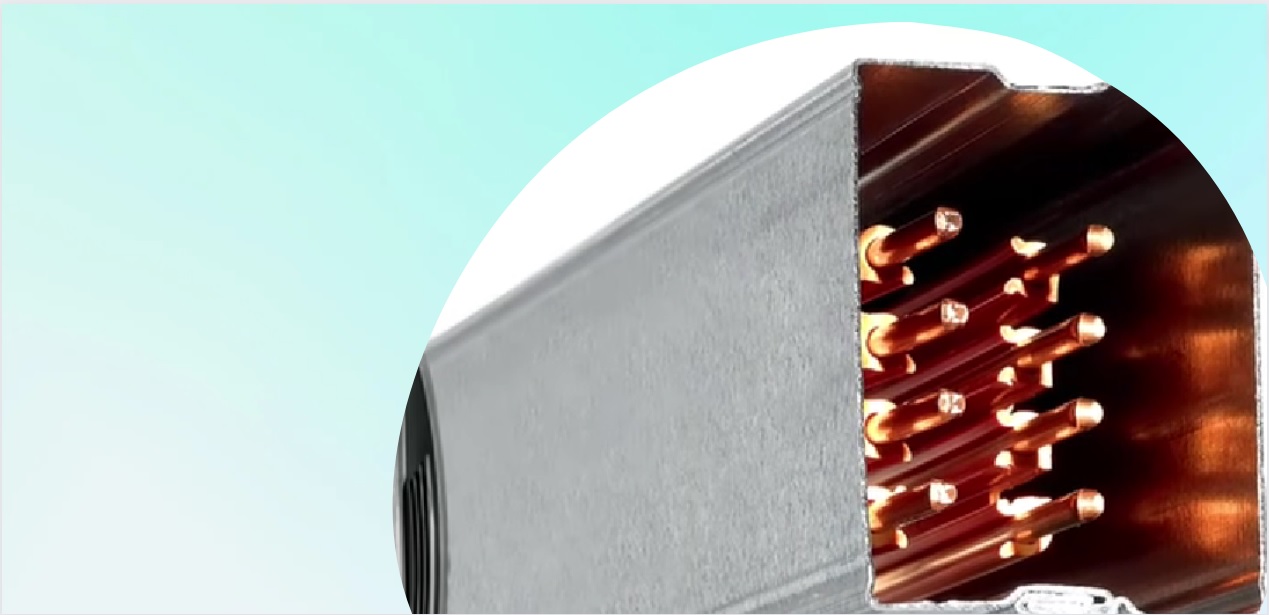
As rack loads exceed 100 kW, traditional air-cooling approaches reach their limits. This has led to the adoption of advanced cooling methods such as rear door heat exchangers and liquid-assisted systems.
Technologies like Legrand RDHx - rear door heat exchangers are now capable of managing loads in the range of 220 to 230 kW per rack, making them critical for high-density deployments. These solutions enable operators to scale compute capacity without completely reengineering the facility.
In modern environments, power density and thermal management are inseparable. One directly influences the other, and both must be designed together.
Integrating Grey Space and White Space Infrastructure
One of the most critical shifts in data center design is the move toward integrated infrastructure planning.
Traditionally, grey space and white space were designed independently. Electrical infrastructure was planned first, followed by IT deployment and cooling optimization. However, this sequential approach no longer works in high-density environments.
Power distribution affects rack layout. Rack density impacts airflow and cooling. Cooling efficiency influences energy consumption. Monitoring systems drive operational decisions. When these elements are designed in isolation, inefficiencies emerge quickly. When they are integrated, infrastructure becomes a coordinated ecosystem.
An effective data center design now requires alignment across transformers, switchboards, power distribution systems, racks, containment, and monitoring platforms. This integrated approach ensures that performance, scalability, and efficiency are achieved simultaneously.
From Capacity to Intelligence: Operating High-Density Data Centers
As infrastructure becomes more complex, visibility becomes essential.
Operating a high-density data center without real-time monitoring introduces significant risk. Power imbalances, localized overloads, and inefficiencies can go unnoticed until they impact performance or uptime.
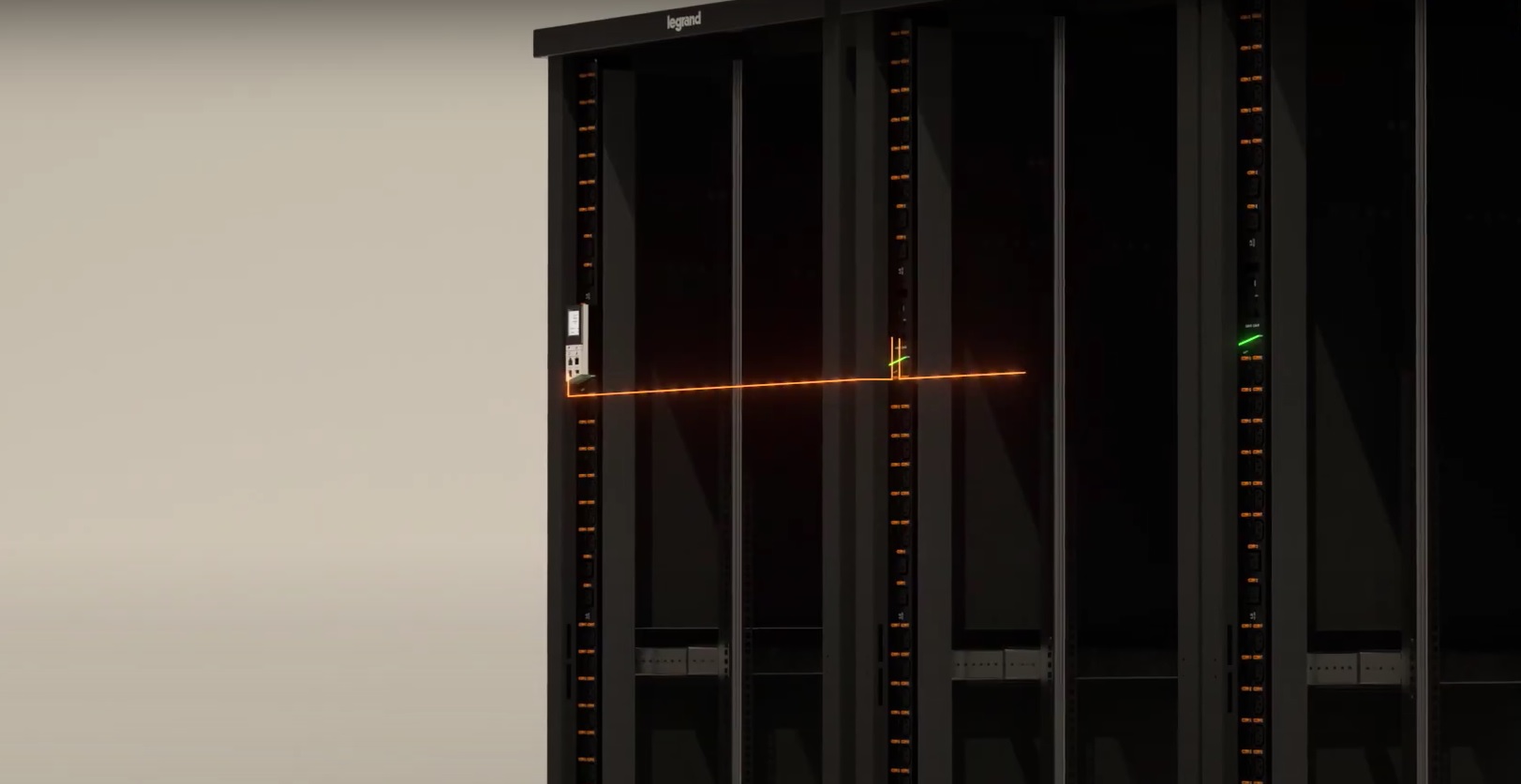
Modern infrastructure must therefore move beyond capacity and incorporate intelligence. Advanced monitoring systems and intelligent power distribution units provide continuous visibility into load conditions, energy usage, and capacity headroom. This allows operators to make informed decisions, optimize performance, and maintain reliability as infrastructure scales.
In this context, data becomes as important as power itself.
Building Infrastructure for What Comes Next
The modern data center is no longer defined by size alone. It is defined by its ability to handle extreme density, scale efficiently, and operate with intelligence.
AI will continue to evolve. Power density will continue to rise. Infrastructure demands will only intensify. Meeting these demands requires an integrated approach across both grey space and white space, combining power distribution, thermal management, intelligent rack systems, and real-time monitoring into a unified strategy.
At Legrand Data Center Solutions, this integration is at the core of how we design infrastructure for the future. Because when the engine room of the digital economy is pushed to its limits, infrastructure must do more than support it.
It must help you go further.
Connect with Legrand’s data center specialists to explore how our solutions can help you design, scale, and future-proof your data center infrastructure.
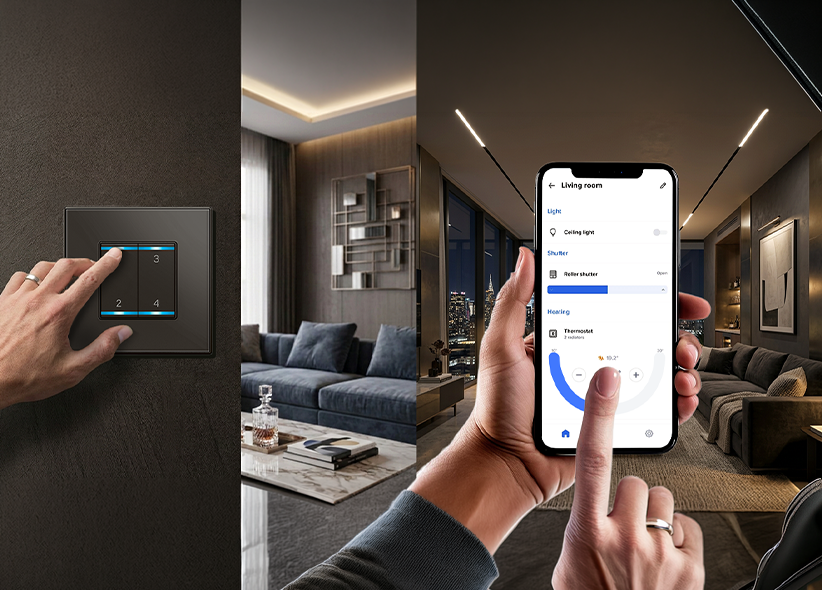
KNX vs MyHOME: Which Home Automation System Is Right for Your Project in India?
READ SMART SPACE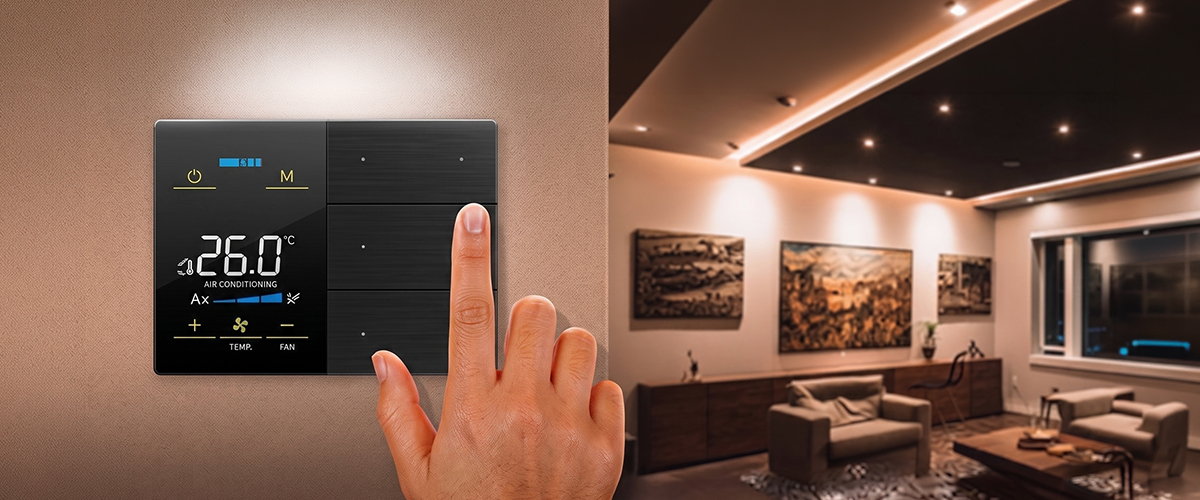
Home automation India: simplifying daily tasks with the latest technology
READ SMART SPACE

















 Eliot
Eliot LDCS
LDCS




 Residential
 Commercial
 Hospitality
 Industrials




 Data Center Solutions
 Hyperscale data centers