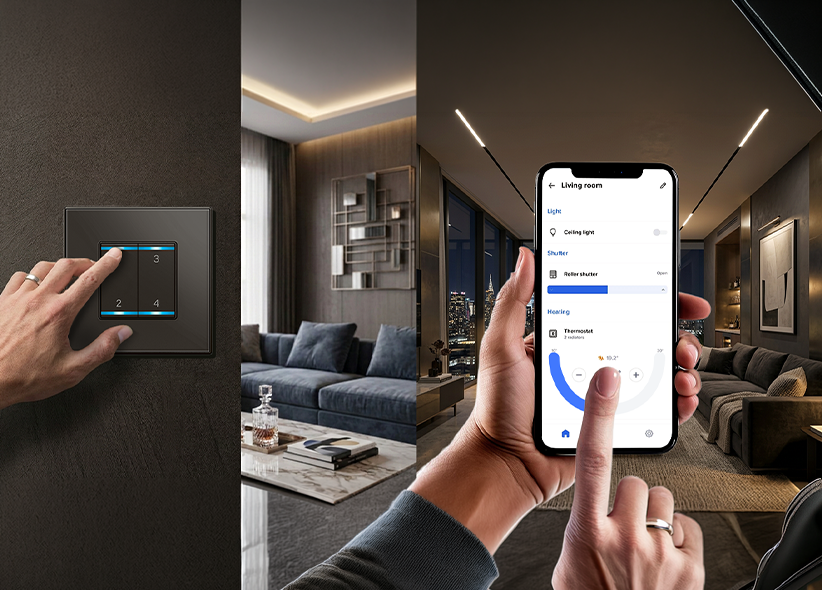

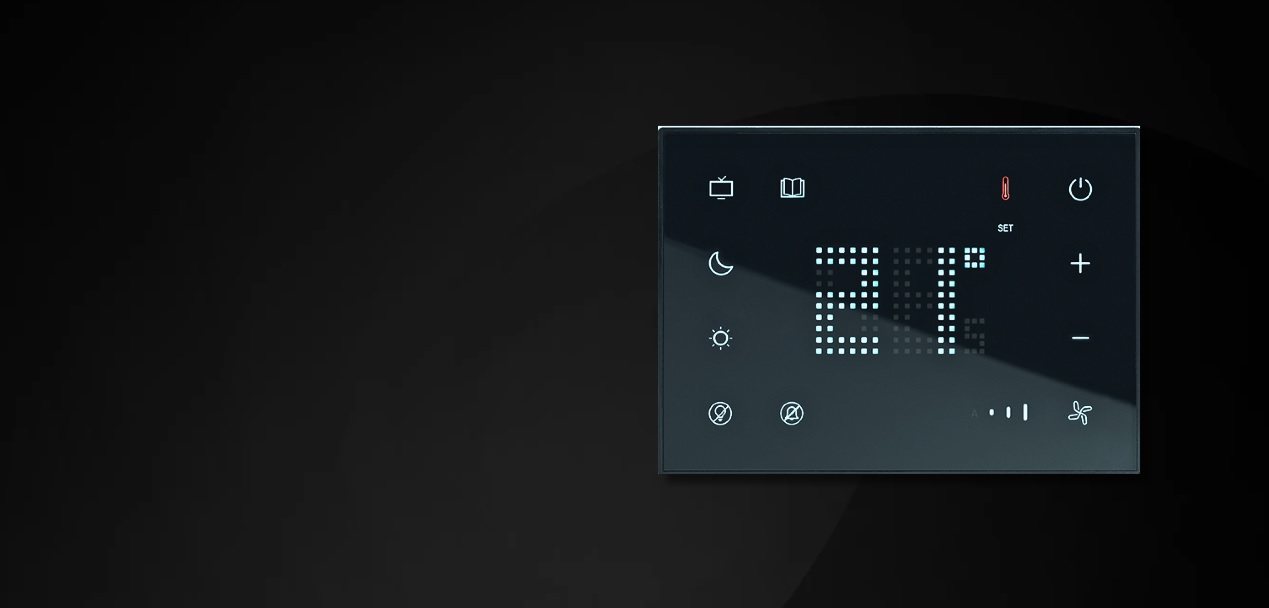
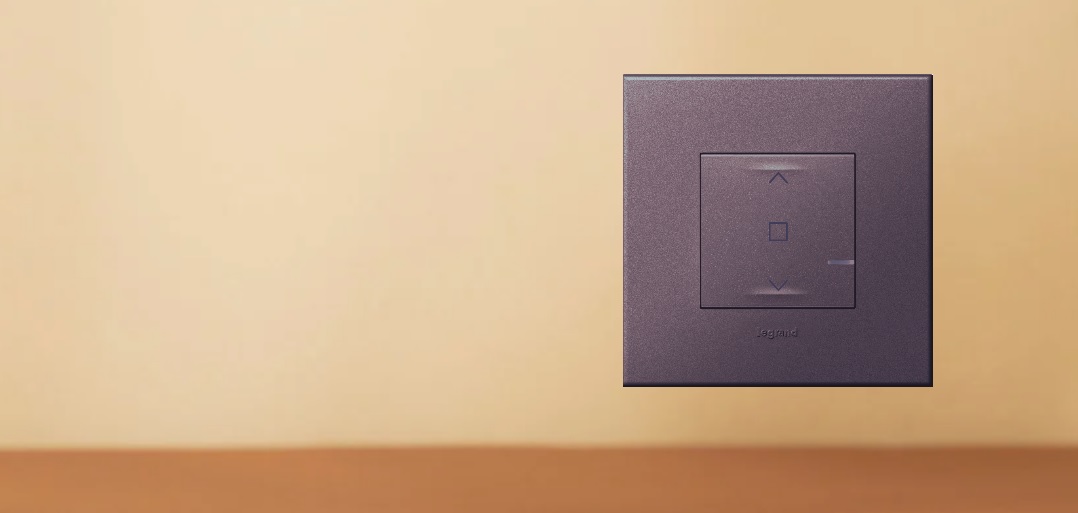
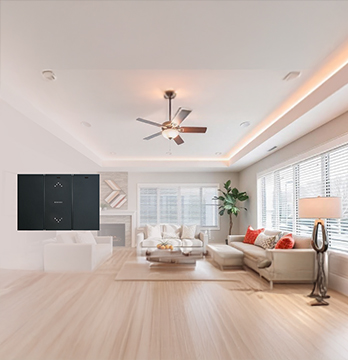
Multifunctions control for scenes control, DND/MUR management and temperature control
KNOW MORE
Containment systems with integrated cooling mechanisms to regulate temperature

Range of accessories to enrich your living environment with enhanced IoT - based user


urge Protection Devices (SPDs) are essential for safeguarding your electrical systems and sensitive electronics from unexpected voltage surges. Whether you’re a homeowner, electrician, or facility manager, understanding their importance can help you prevent costly damage and ensure electrical safety. This guide will navigate through the types, selection criteria, installation best practices, and common pitfalls to avoid when considering surge protection.
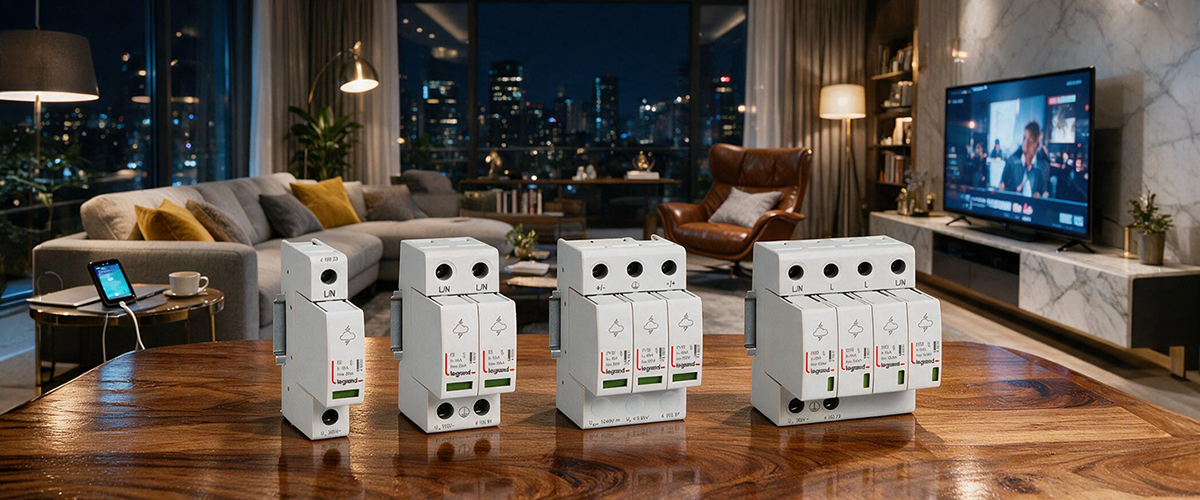
A Surge Protection Device (SPD) is an electrical device designed to protect electrical equipment from transient overvoltage (voltage surges). It helps protect electrical installations and connected equipment by safely diverting excess surge energy to earth, reducing the risk of damage to sensitive devices.
Understanding the necessity of surge protection is crucial for both residential and commercial properties. Voltage surges can wreak havoc on your devices, leading to costly repairs and downtime.
Lightning strikes
Utility switching operations
Transformer faults
Generator switching
Large electrical equipment
Switching of inductive loads (motors, compressors, HVAC systems)
Equipment damage
Data loss
Reduced appliance lifespan
Operational downtime
Increased risk of damage to connected equipment and associated electrical hazards
With the rise of smart devices, inverters, solar PV systems, and EV chargers, modern homes are particularly vulnerable to surges. This makes SPDs critical for protecting your investments in home electronics and appliances, which can be costly to repair or replace.
Understanding the types of SPDs available helps you select the right protection for your property.
Installation: Main service entrance
Protection Level: Direct lightning surges
Installation: Distribution boards
Protection Level: Internal electrical circuits
Installation: Point-of-use
Protection Level: Sensitive Electronics
| SPD Type | Installation Location | Protection Level | Surge Source | Typical Application | Recommended Property Type | Advantages |
|---|---|---|---|---|---|---|
| Type 1 | Main service entrance | High | Direct lightning strikes | Whole building protection | Commercial, Industrial | Best for primary surge protection against lightning |
| Type 2 | Distribution boards | Moderate | Switching surges and indirect lightning | Internal circuit protection | Residential, Commercial | Protects larger appliances and electrical systems |
| Type 3 | Point-of-use (near equipment) | Low | Residual surges (used with upstream Type 1/2 SPDs) | Computers, TVs, networking equipment | Residential, Office | Ideal for protecting sensitive individual devices |
| Application | Recommended SPD | Reason |
|---|---|---|
| Apartment | Type 2 SPD | Protects household circuits from switching surges. |
| Independent House | Type 1 + Type 2 SPD | Provides protection against lightning strikes and internal electrical surges. |
| Office | Type 2 + Type 3 SPD | Protects computers, networking equipment, and other sensitive office electronics. |
| Factory | Type 1 + Type 2 SPD | Protects industrial machinery and electrical infrastructure from surge damage. |
| Data Centre | Type 1 + Type 2 + Type 3 SPD | Provides multi-level surge protection for critical IT equipment and servers. |
| Solar PV Installation | Type 1 + Type 2 SPD | Protects solar inverters and associated electrical systems from surge events. |
Selecting the right SPD involves understanding your unique requirements regarding electrical load and application.
Surge current rating
Response time
Voltage protection level
Certifications and reliability
Warranty details
Residential and commercial properties have different surge protection needs based on the complexity of their electrical systems. Most homes benefit from a Type 2 Surge Protection Device (SPD) installed at the distribution board to protect appliances such as televisions, refrigerators, washing machines, air conditioners, and smart home devices from switching surges and voltage fluctuations.
Commercial buildings, offices, factories, hospitals, and data centers often require a coordinated protection strategy using Type 1 and Type 2 SPDs, with Type 3 SPDs installed near sensitive electronic equipment. This layered approach helps protect critical infrastructure, servers, industrial machinery, and networking equipment from both external lightning surges and internally generated voltage spikes.
Always choose a Surge Protection Device that complies with recognized national and international safety standards. Certified SPDs undergo rigorous testing to ensure reliable performance during voltage surge events and provide better protection for connected electrical systems.
IEC 61643 series compliance
Relevant Indian Standards (IS), where applicable
CE certification
RoHS compliance
Manufacturer quality testing and certification
Using certified surge protection devices improves electrical safety, enhances reliability, and ensures long-term protection for valuable electrical and electronic equipment.
Legrand has earned a global reputation for delivering reliable electrical protection solutions backed by decades of engineering expertise. Its Surge Protection Devices are designed to meet international safety standards while providing dependable protection against transient voltage surges.
Legrand SPDs are widely used in residential, commercial, and industrial installations because of their engineered reliability, consistent performance, certified quality, and dependable long-term protection. Choosing a trusted manufacturer also provides access to technical support, product documentation, and solutions designed for a wide range of electrical applications.
Proper installation is essential for ensuring that a Surge Protection Device performs effectively during voltage surge events. Type 1 SPDs are generally installed at the main service entrance, while Type 2 SPDs are installed within the distribution board to protect branch circuits. Type 3 SPDs provide additional protection for sensitive electronic equipment and are installed close to the appliance.
Installation should always be carried out by a qualified electrician to ensure proper earthing, correct wiring, and compliance with applicable electrical safety standards. Professional installation helps maximize protection while reducing the risk of incorrect installation and equipment damage. Correct earthing and short connection leads are essential for optimum SPD performance.
Although Surge Protection Devices require minimal maintenance, they should be inspected periodically to ensure they continue providing effective protection. Most modern SPDs include visual status indicators that show whether the protection module is functioning correctly.
Replace the SPD if its status indicator shows end-of-life or after significant surge events, in accordance with the manufacturer's recommendations. Regular inspection during scheduled electrical maintenance helps ensure long-term protection of your electrical system.
Selecting the wrong SPD type for the application.
Ignoring surge current ratings and voltage protection levels.
Purchasing uncertified or low-quality products.
Installing the SPD in the wrong location.
Neglecting proper earthing and electrical bonding.
Failing to replace SPDs after significant surge events.
Choosing the correct Surge Protection Device and ensuring professional installation significantly improves electrical safety and helps maximize the lifespan of connected equipment.
In summary, understanding surge protection devices is essential for ensuring electrical safety. Selecting the right SPD, ensuring proper installation, and following recommended maintenance practices help safeguard valuable electrical equipment and improve overall electrical safety. Explore Legrand's Surge Protection Device range for reliable protection solutions.
Yes. Most modern homes contain valuable electronics and smart appliances that are vulnerable to voltage surges caused by lightning, utility switching, or electrical faults. Installing a Type 2 SPD helps protect these devices and reduces the risk of costly damage.
Type 2 Surge Protection Devices are generally recommended for standard residential installations because they protect household circuits from switching surges. Homes in lightning-prone areas may benefit from a combination of Type 1 and Type 2 SPDs.
The right Legrand SPD depends on the installation location, surge exposure, electrical system, product ratings and applicable standards. Consult a qualified electrician or an authorized Legrand representative for product selection guidance.
Type 3 Surge Protection Devices are ideal for protecting sensitive equipment such as computers, televisions, networking devices, and home automation systems. For maximum protection, they are often used together with a Type 2 SPD installed at the distribution board.
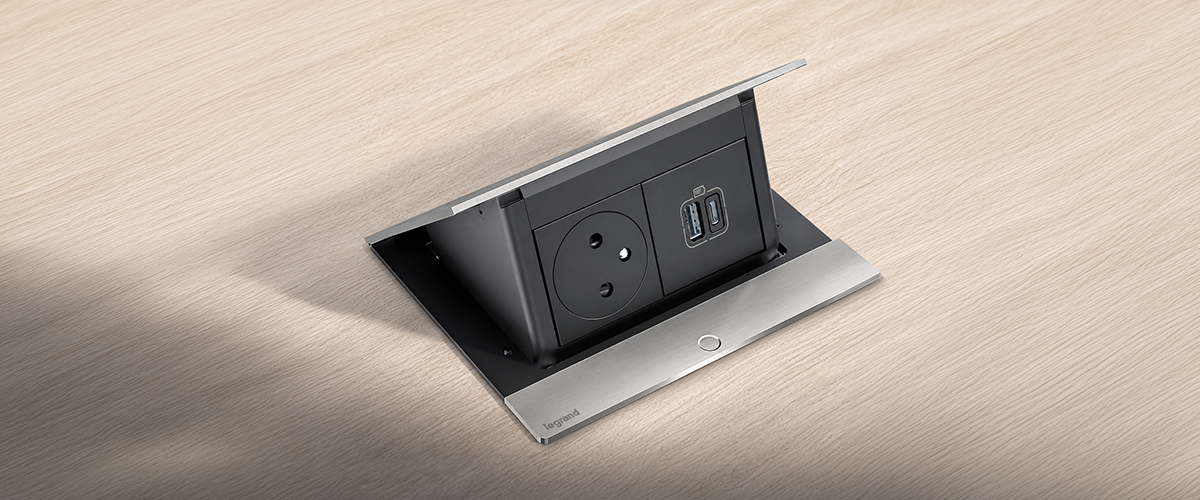
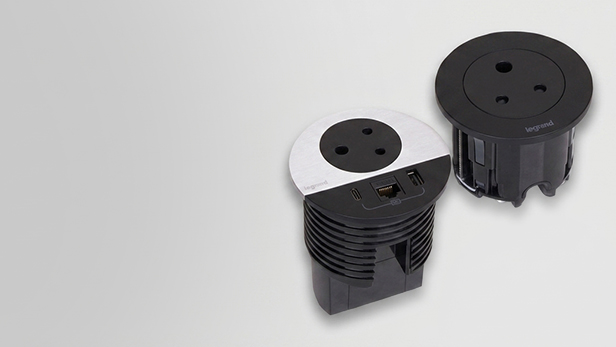
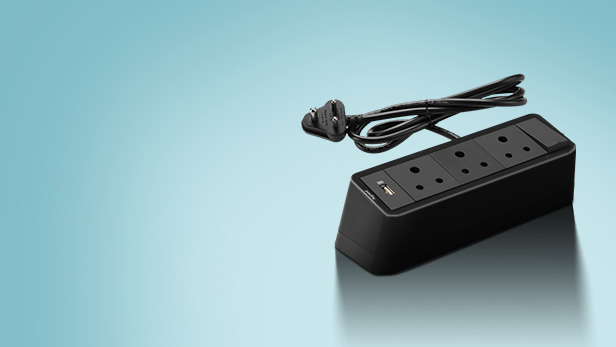
Introducing Legrand Incara: smart power, seamlessly integrated into modern workspace
READ SMART SPACE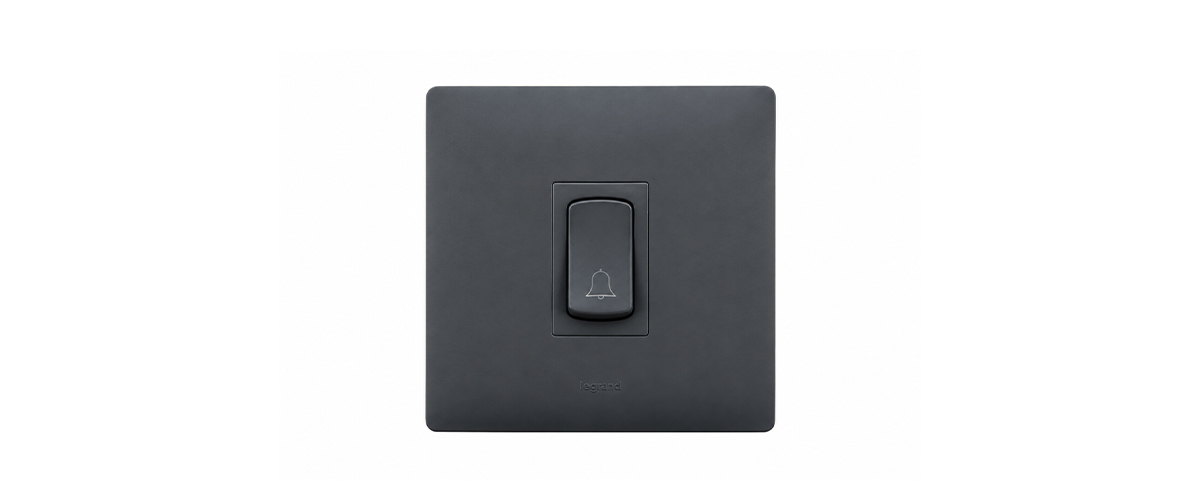
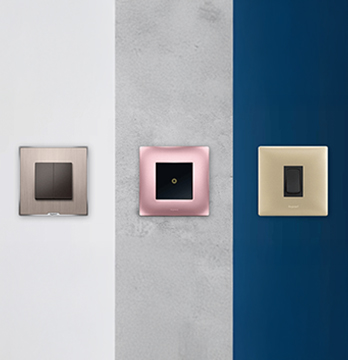
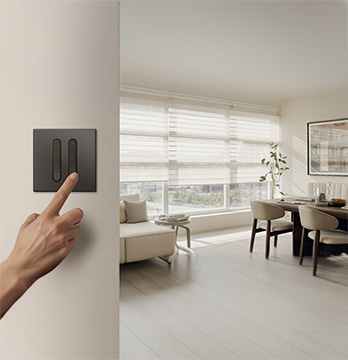
Ring in style: the art of choosing the perfect bell switch for your home
READ SMART SPACE












 Eliot
Eliot LDCS
LDCS


 Residential
 Commercial
 Hospitality
 Industrials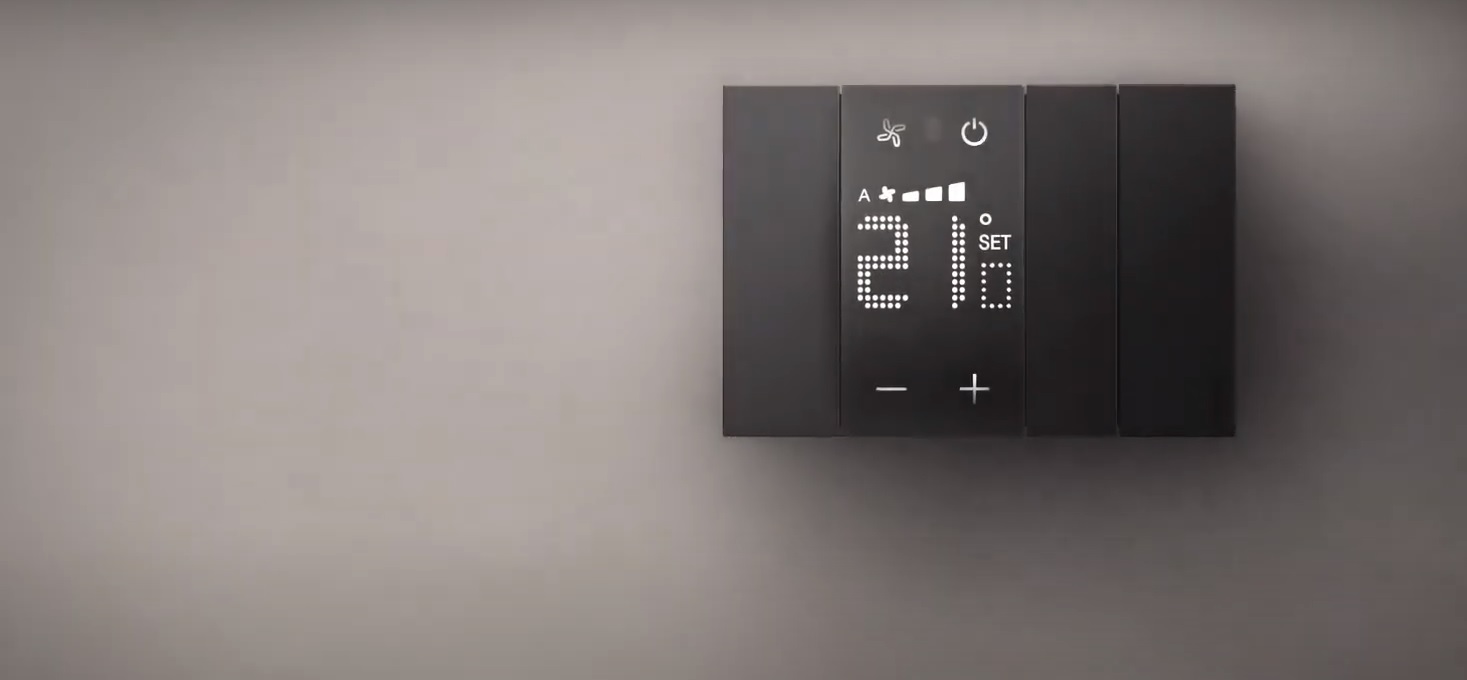





 Data Center Solutions
 Hyperscale data centers