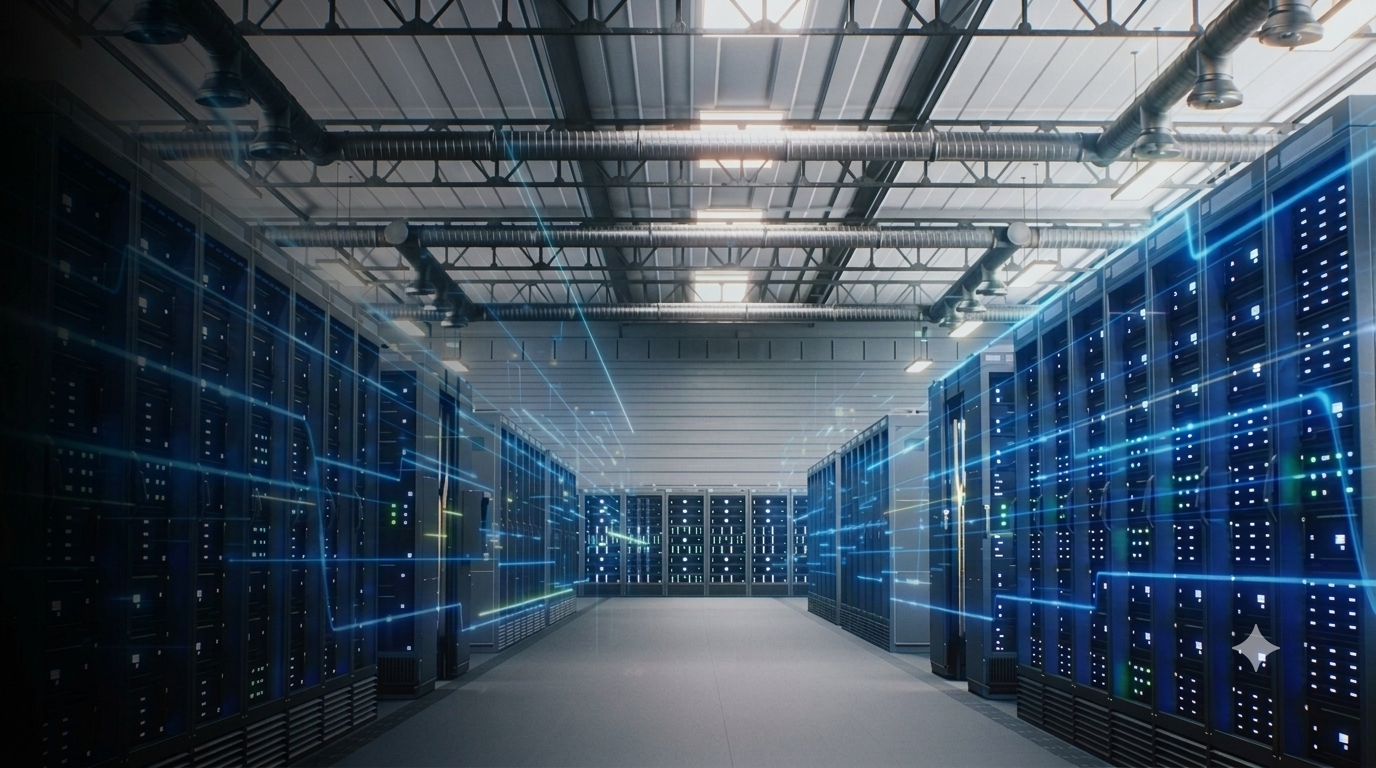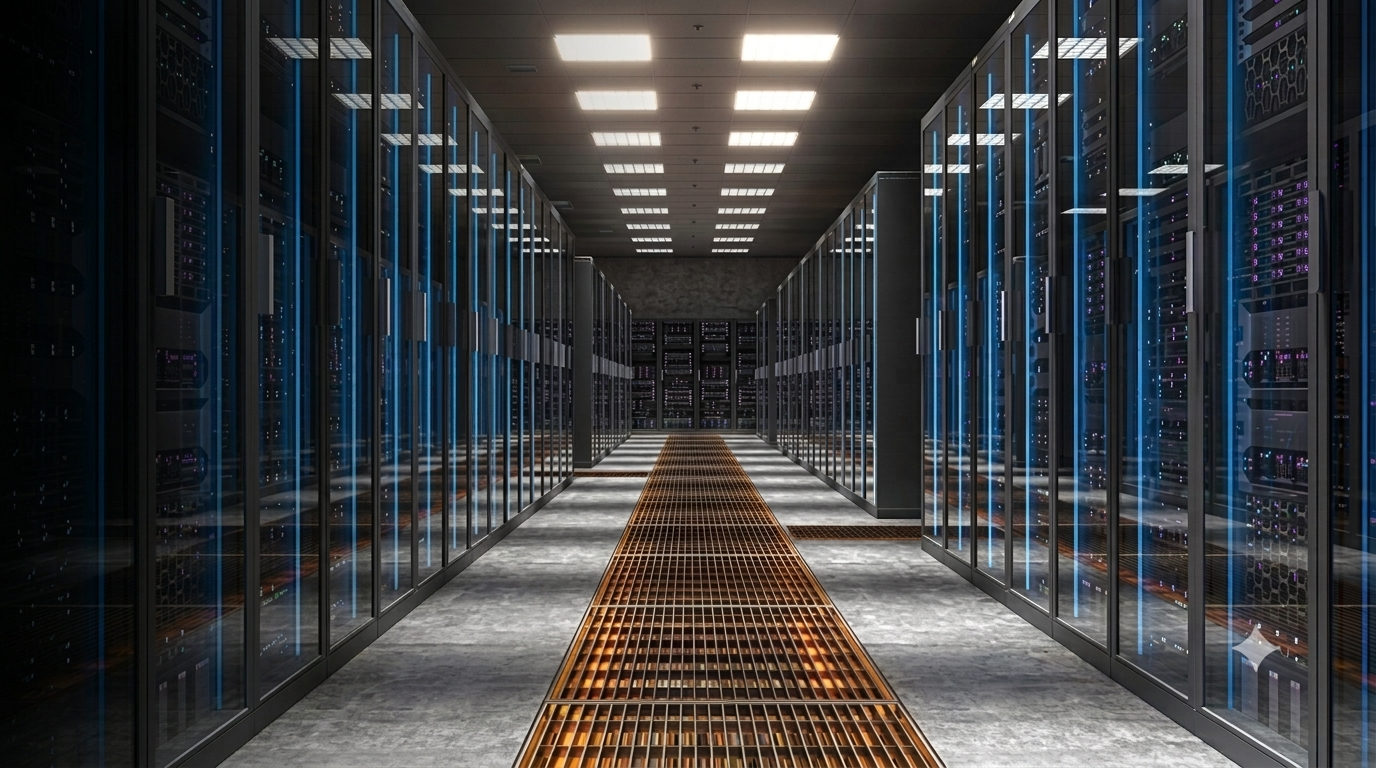



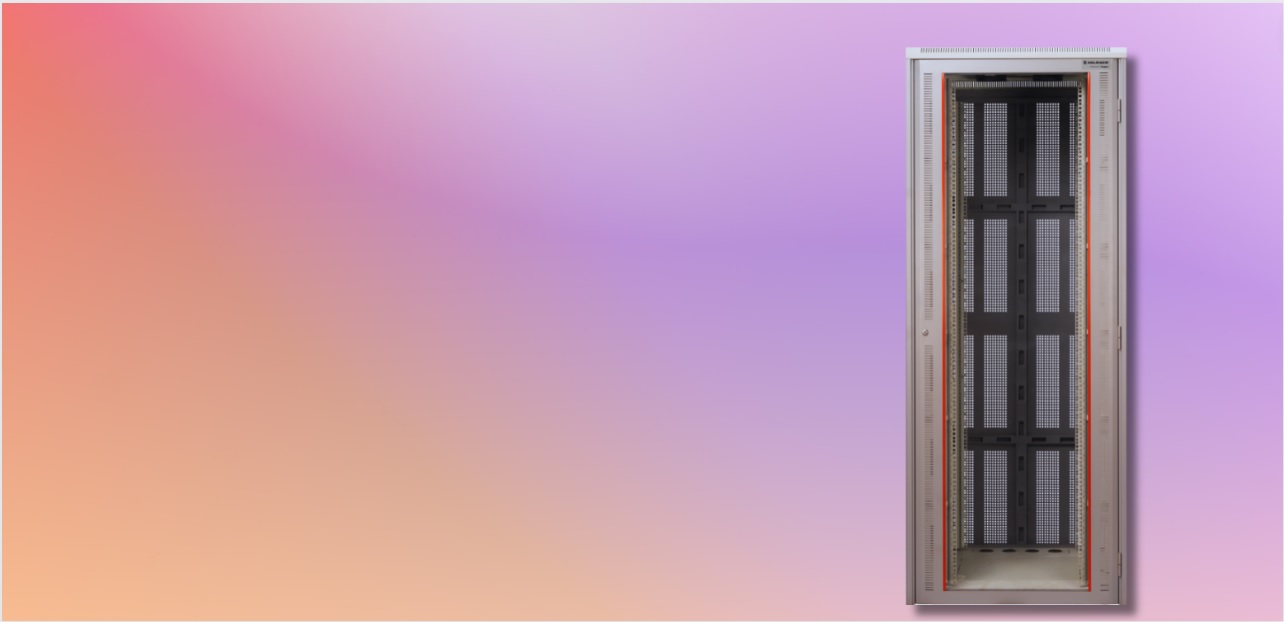
Containment systems with integrated cooling mechanisms to regulate temperature

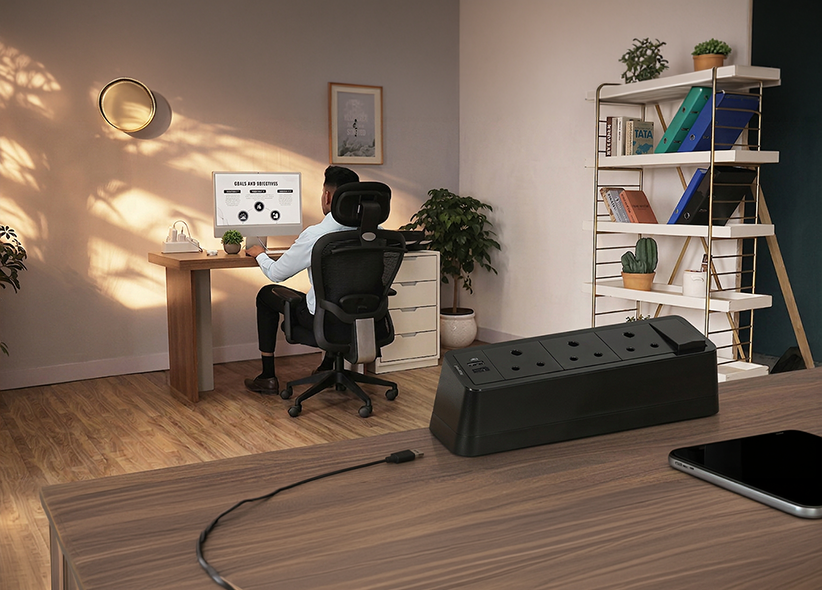
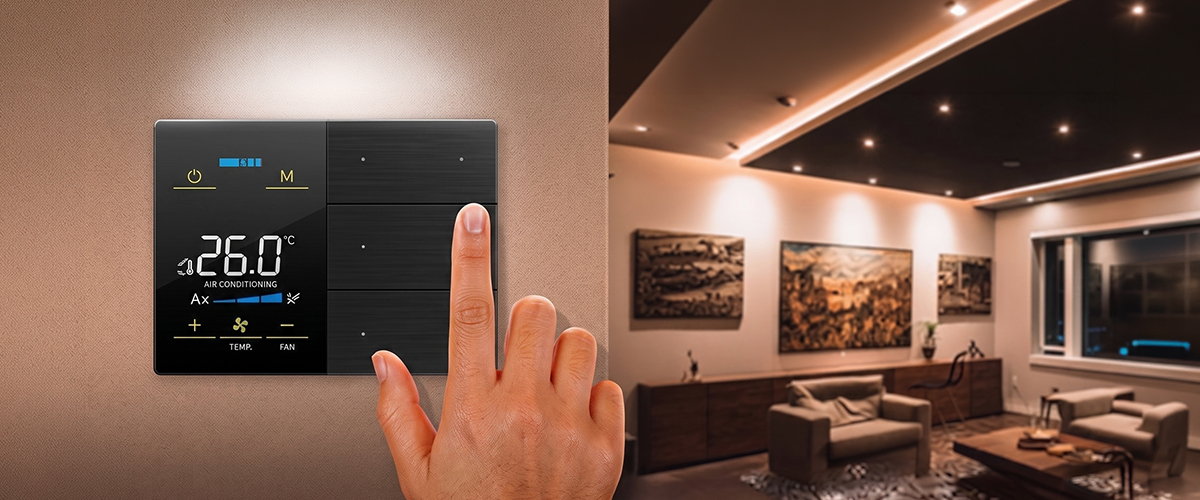
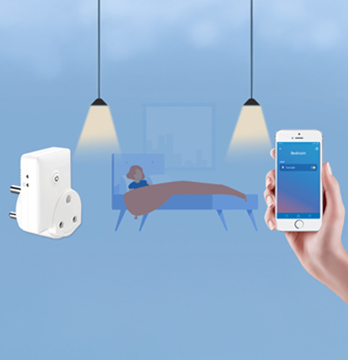
Range of accessories to enrich your living environment with enhanced IoT - based user


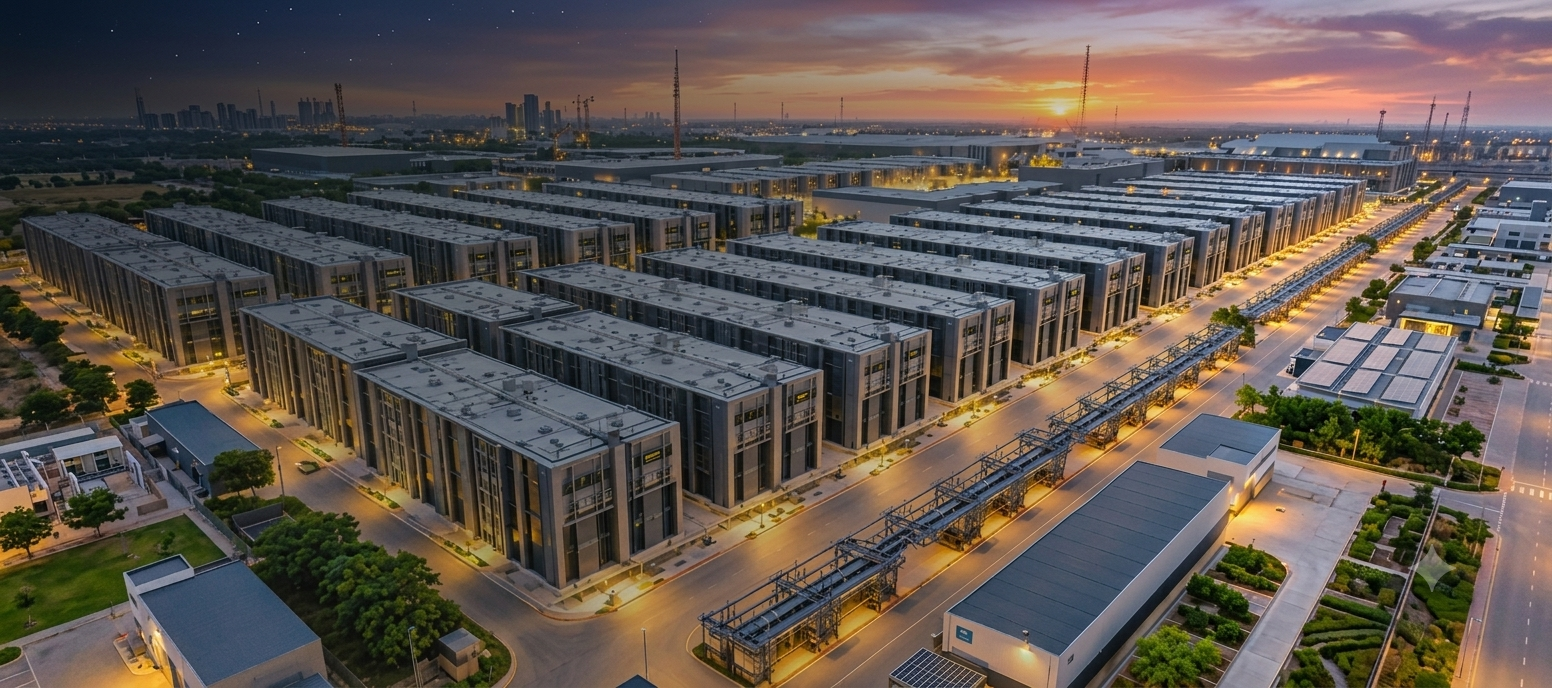
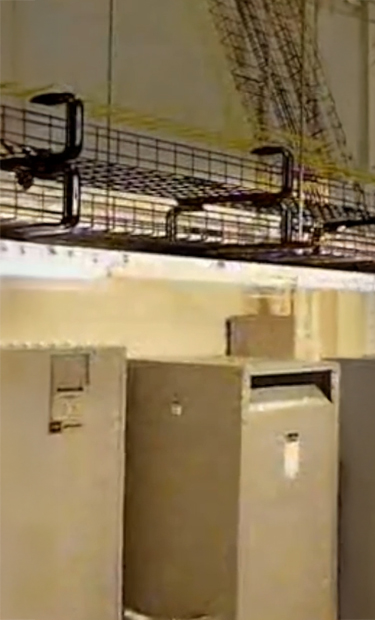
At hyperscale, today's infrastructure needs to support tomorrow's density, power demand,
cooling requirements and expansion.
Support higher densities as compute
requirements evolve


Move power efficiently from grid to rack


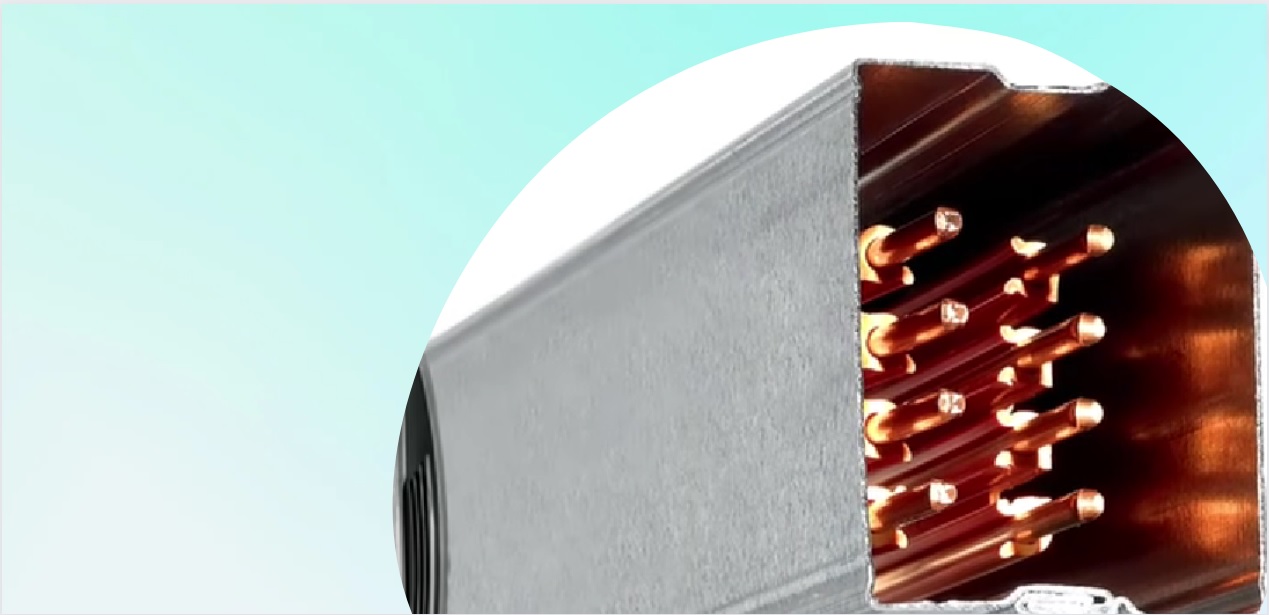
Adapt cooling as compute density continues to rise


Add capacity without redesigning the campus

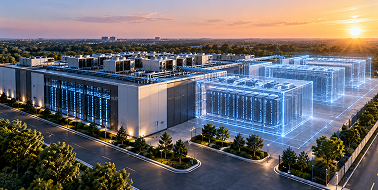
Every hyperscale data center depends on connected decisions across power, cooling and
expansion. Legrand brings together infrastructure across grey space and white space to
support a more connected data center environment.

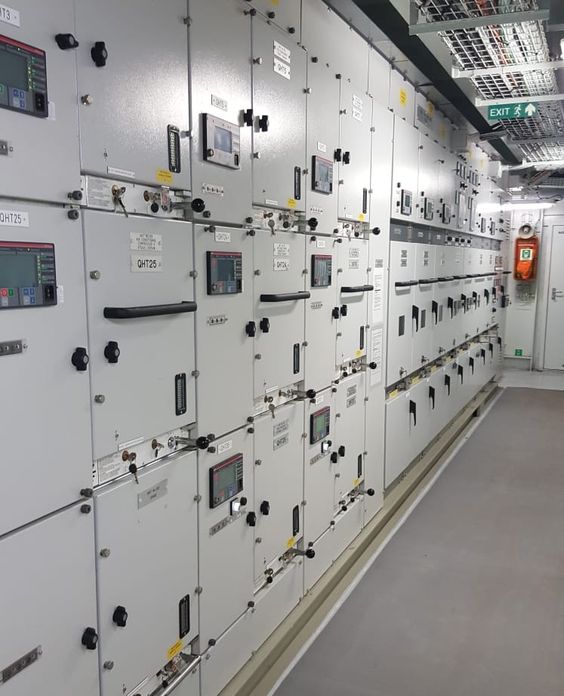
Establish the power
foundation

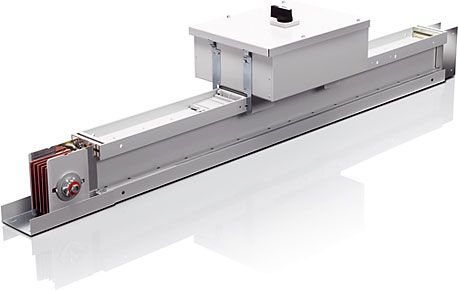
Distribute power across
the facility

Build resilience into
the power path

Deliver power where
compute needs it
Build pathways for
high-density compute

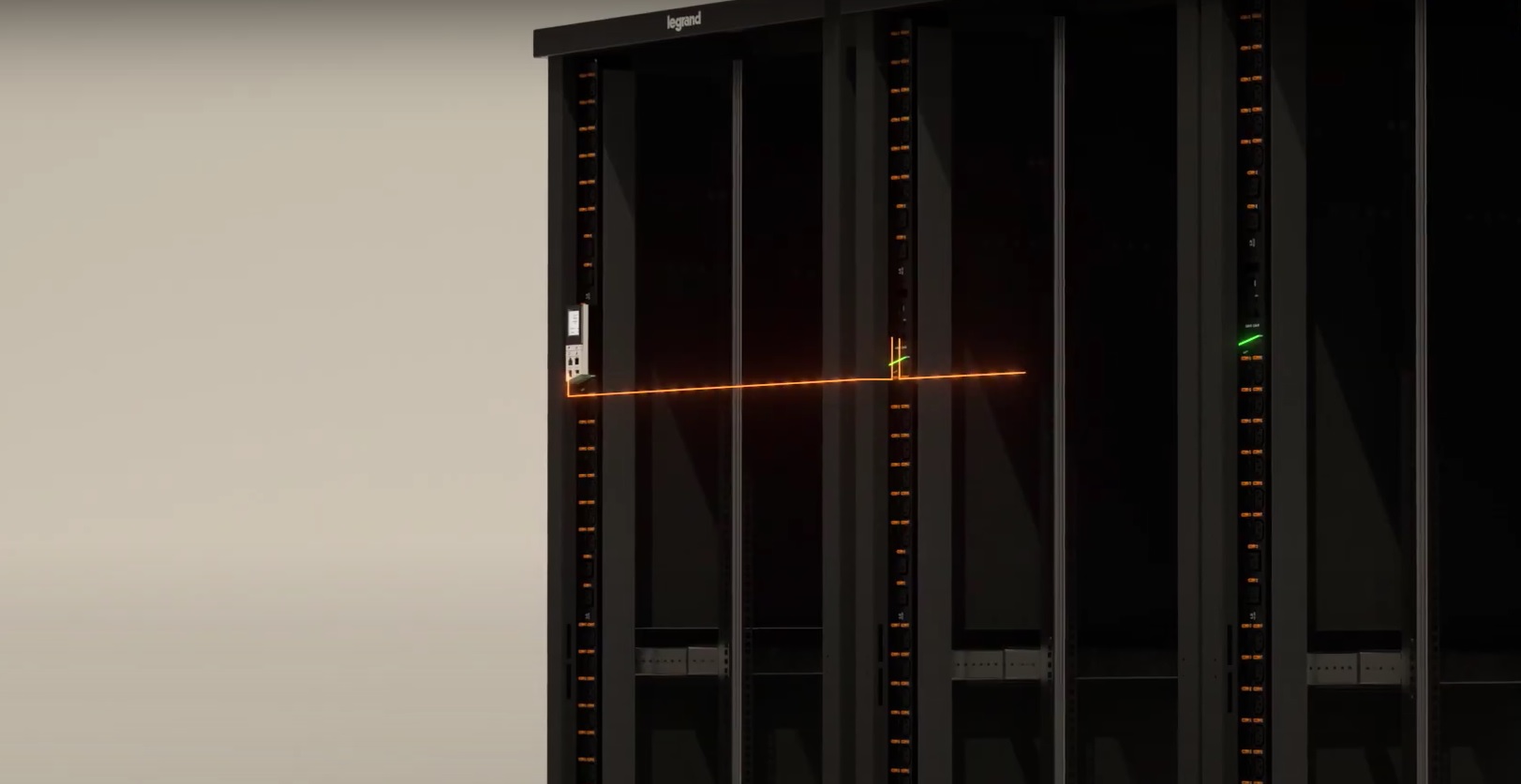
See and manage
power at the rack
There is no single architecture for high-density compute. The right approach depends
on workload density, site conditions, growth plans and operational requirements.
Established architecture for a broad range of environments
Designed for increasing rack power requirements
An evolving option for specific high-density environments
For conventional-density environments
For higher density requiring additional heat rejection
For high-density compute where liquid becomes part of the thermal architecture
Support high-density connectivity requirements.
Organise connectivity for scalability and serviceability.
Enable current deployments and future expansion.
Monitor and manage rack-level power.
Bring visibility across critical infrastructure.
Support connected infrastructure visibility and operations.
Power may be available on campus without being deployable where the next compute
needs it. When power, cooling, pathways and white space aren't planned together, capacity can
become stranded.
Build the first deployment with the foundations for expansion.
Add capacity through repeatable power, cooling, connectivity and white-space infrastructure.
Expand the campus while keeping available and deployable capacity aligned.
Complex infrastructure requires more than individual systems. It requires
coordination
across the systems, people and stages that bring a data
center to life.
 Engineer
Connect power, cooling, white space and connectivity as one infrastructure environment.
 Design
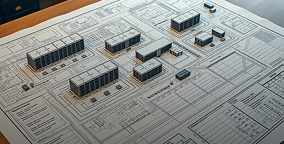
Design for installation, commissioning, operation and future modification — not just the drawing
 OPERATE
Keep infrastructure connected from design and deployment through operation and modernisation.
 ACCOUNTABLE
Coordinate multiple infrastructure layers through clearer ownership.



Whether you're defining a new campus, increasing rack density or
preparing the next capacity block, the infrastructure decisions need to
connect before deployment begins.




















 Eliot
Eliot LDCS
LDCS



 Residential
 Commercial
 Hospitality
 Industrials






 Data Center Solutions
 Hyperscale data centers