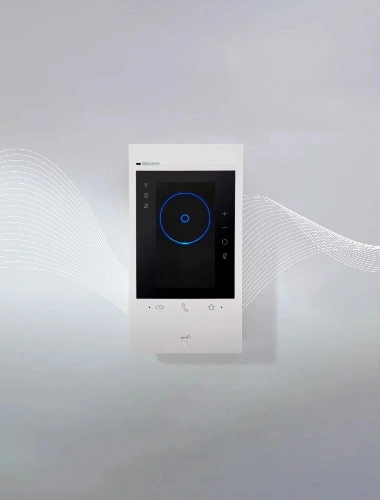


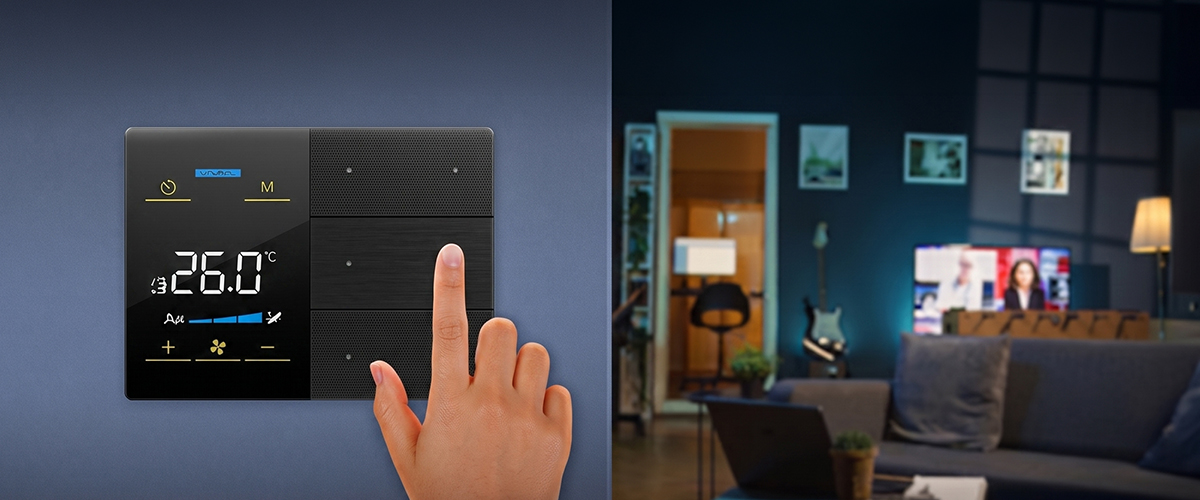
Range of accessories to enrich your living environment with enhanced IoT - based user


Legrand lighting management solutions deliver energy-efficient lighting for modern buildings, enabling the right level of light exactly when and where it is needed. Intelligent controls support safer environments while improving operational efficiency and meeting sustainability standards for both new construction and renovation projects.
Intelligent lighting control solutions designed to improve efficiency, enhance safety, and support sustainable building performance.

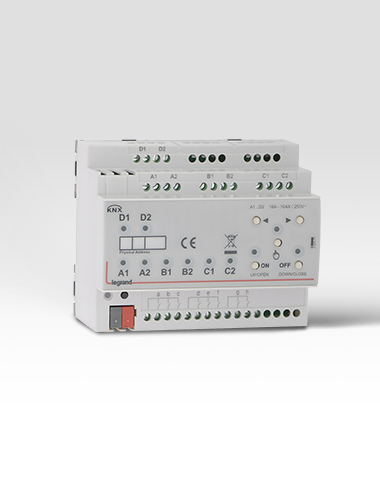
A versatile range designed to optimize lighting performance and improve energy efficiency.
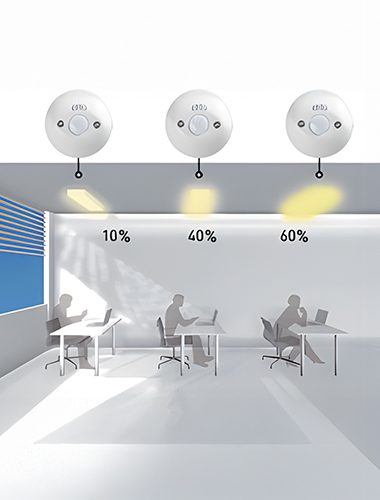




Configurable controllers and advanced sensors for flexible, energy-efficient control
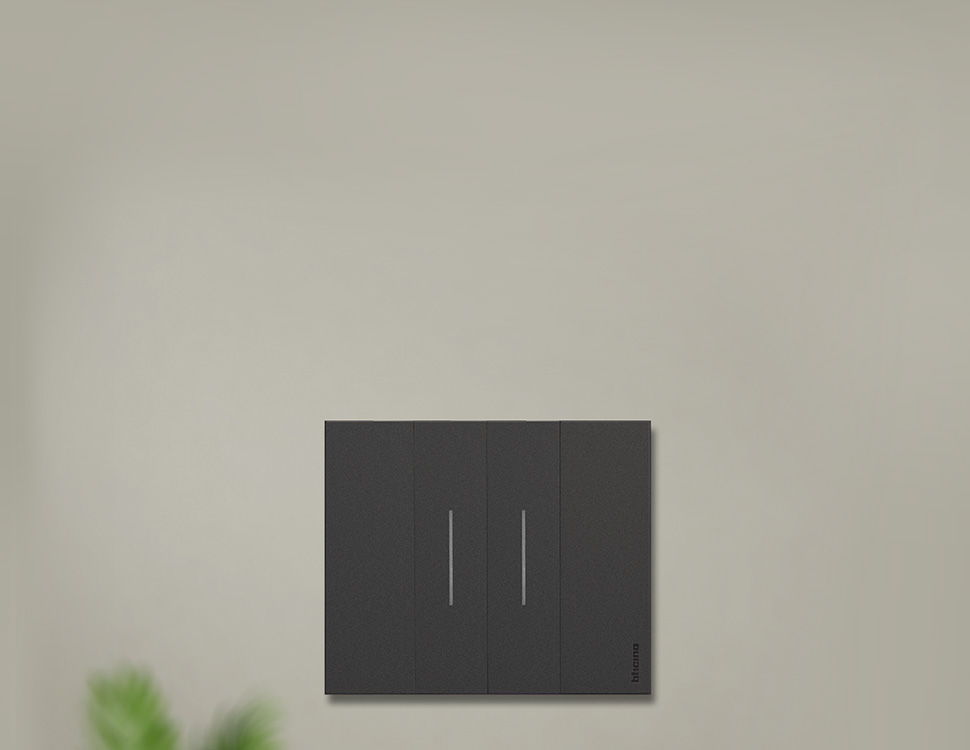
Equipped with independent and configurable channels to perform a wide range of functions


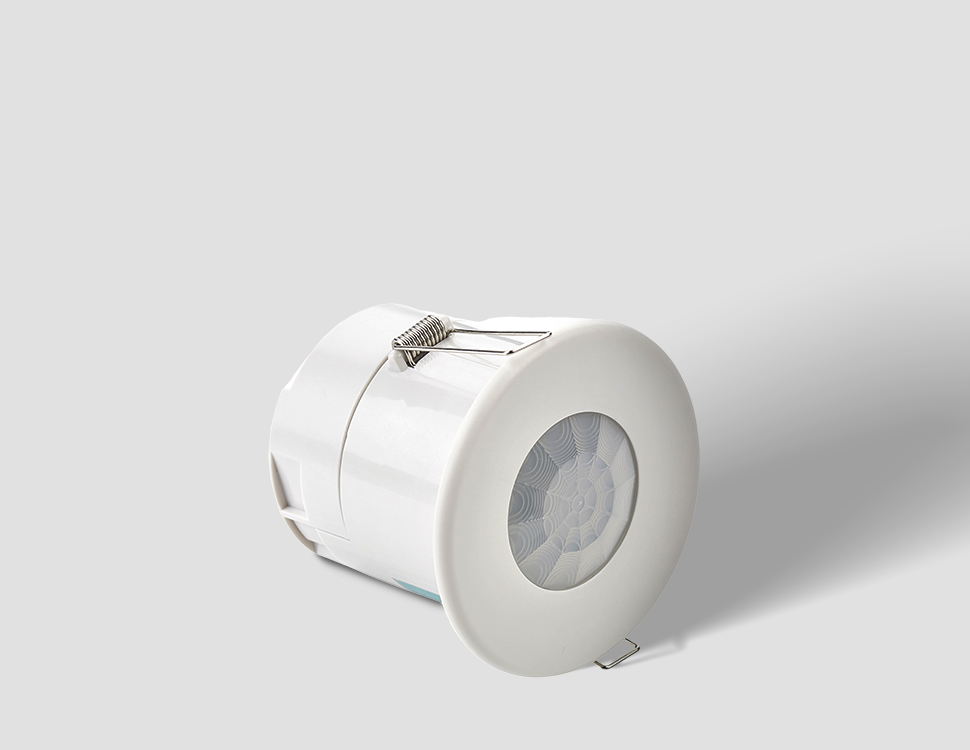
360° infrared detection with a directional head for fast and precise light management
Minimalist design for self-governing oversight
Stories about future ready solutions, sculpted with customer focused objectives
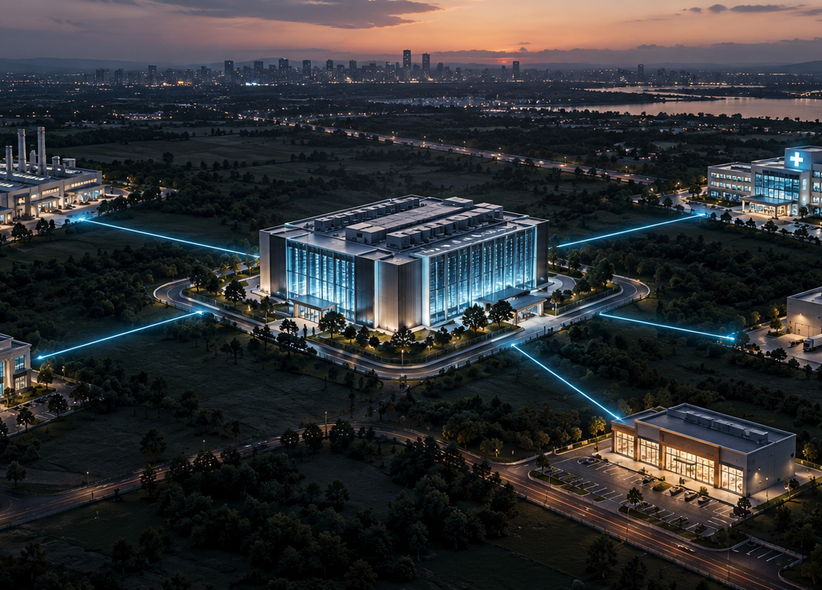
How edge infrastructure helps CIOs and CTOs run reliable, secure and manageable operations closer to where the business happens.

Why the future of colocation is not about designing every rack for maximum density. It is about creating the power, cooling and connectivity flexibility to support different densities as tenant requirements change.

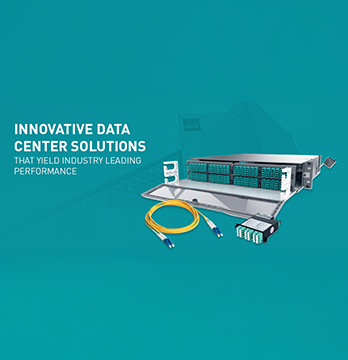
How the physical connectivity layer inside AI data centres is being redesigned for density, performance and serviceability.
Promoting development via rigorous R&D in electrical & digital infrastructure, with a focus on enhancing
efficiency & robustness




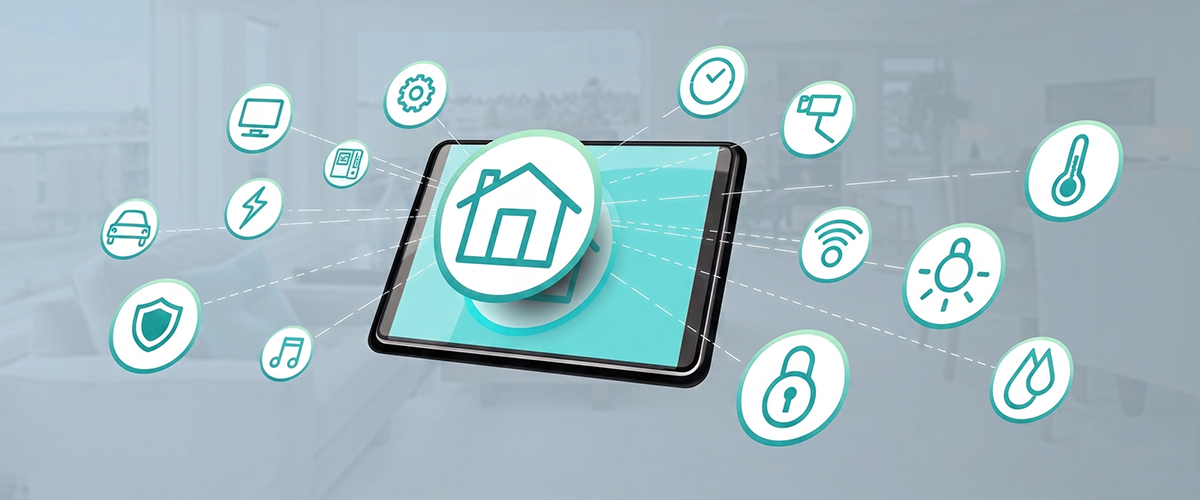















 Eliot
Eliot LDCS
LDCS



 Residential
 Commercial
 Hospitality
 Industrials



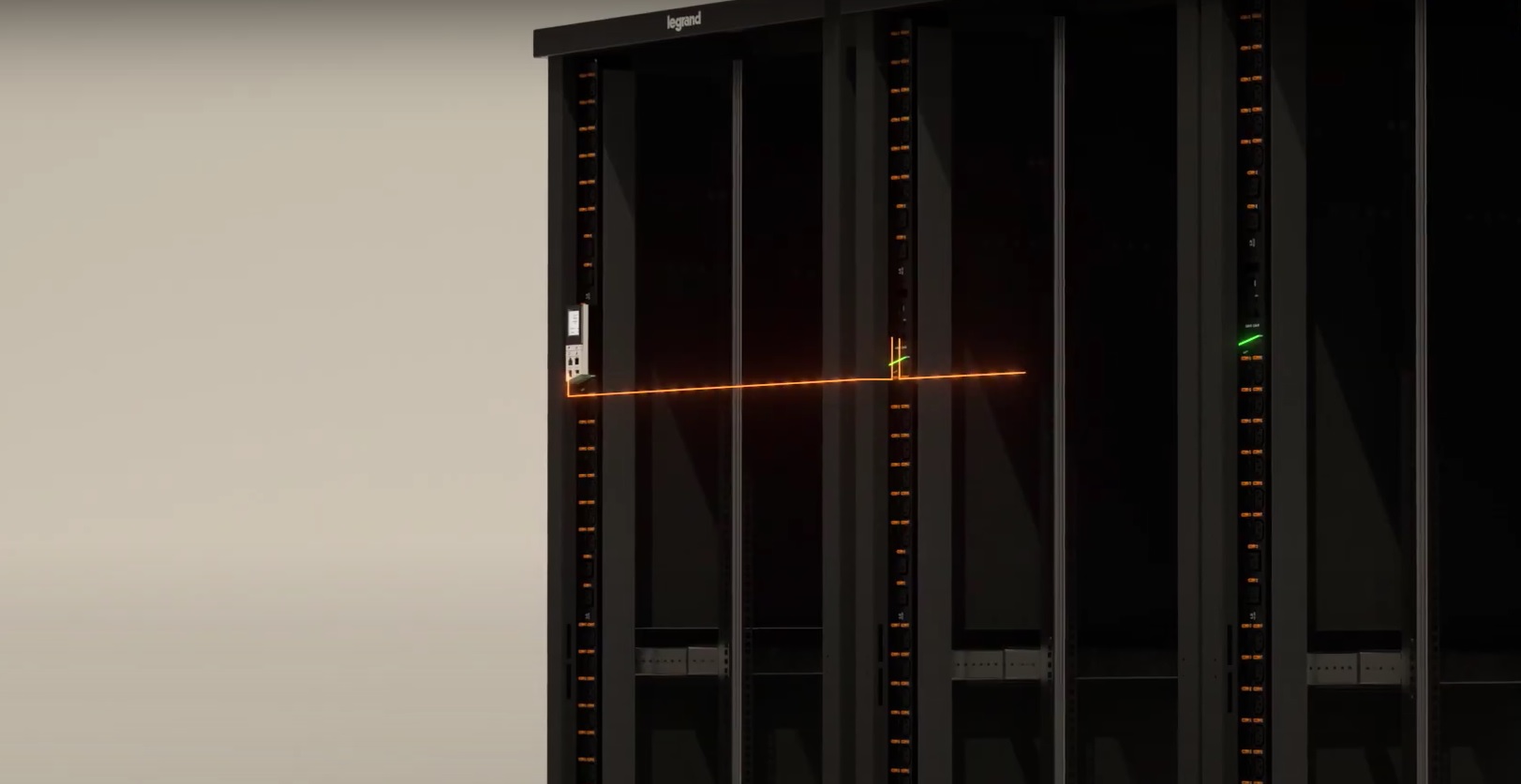

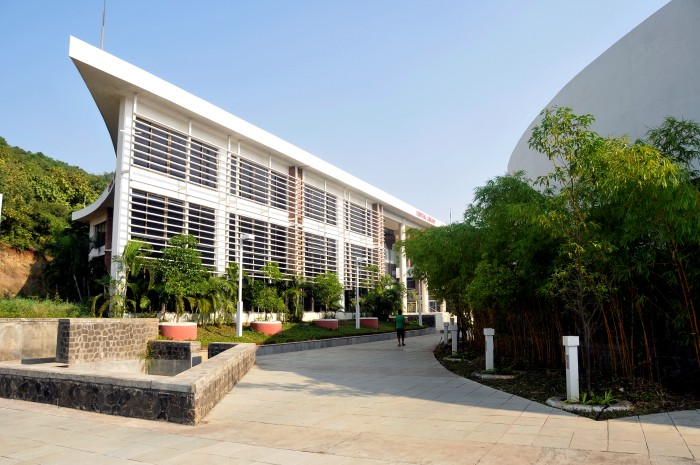


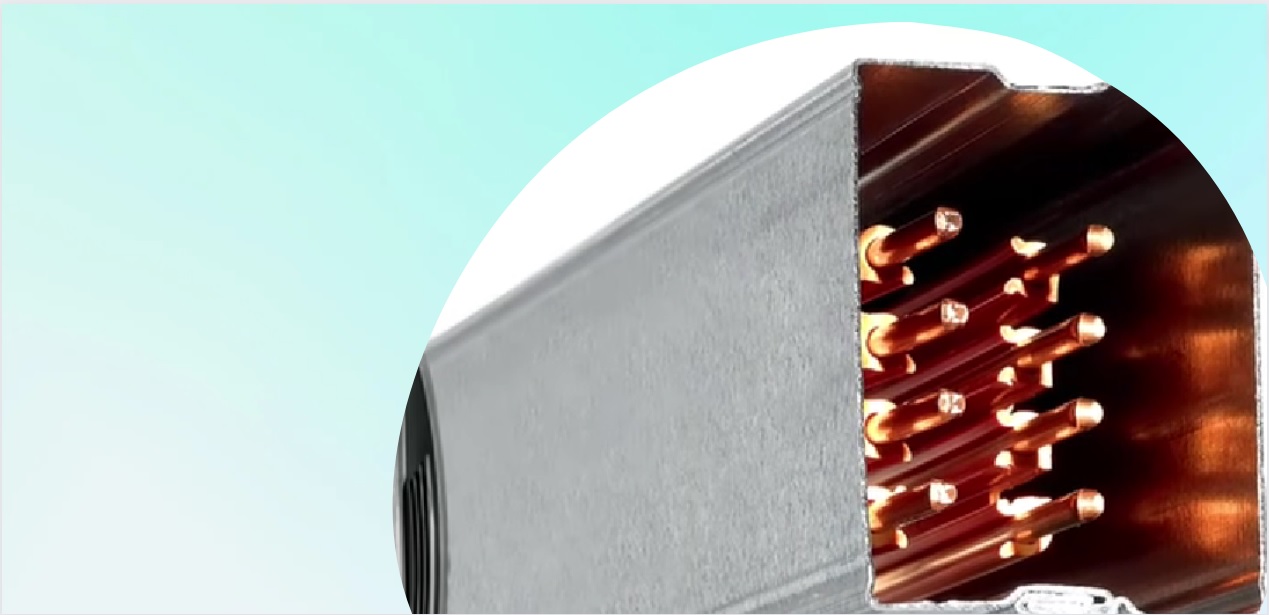
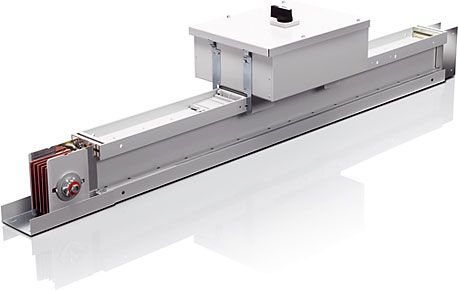
 Data Center Solutions
 Hyperscale data centers















.png)