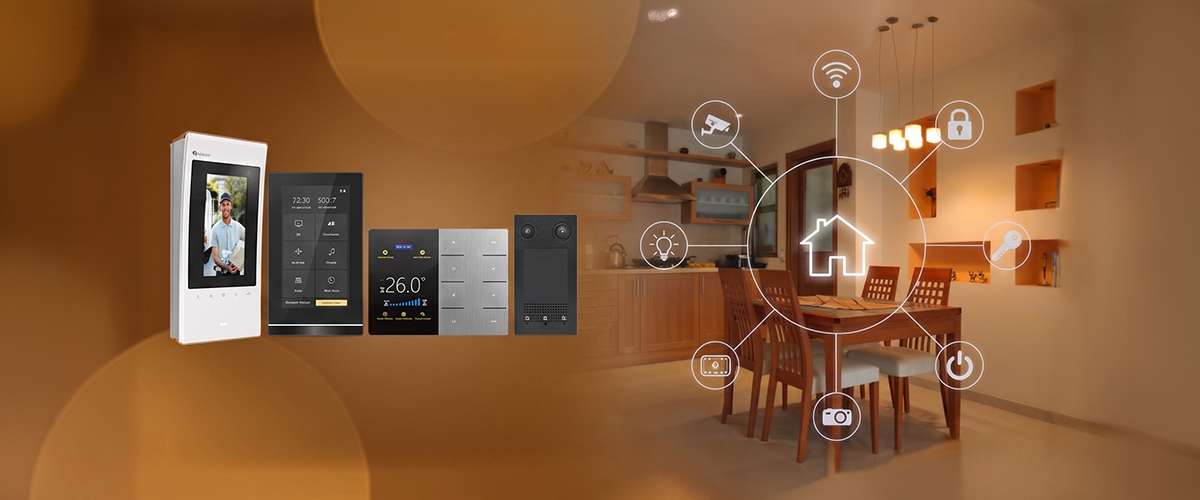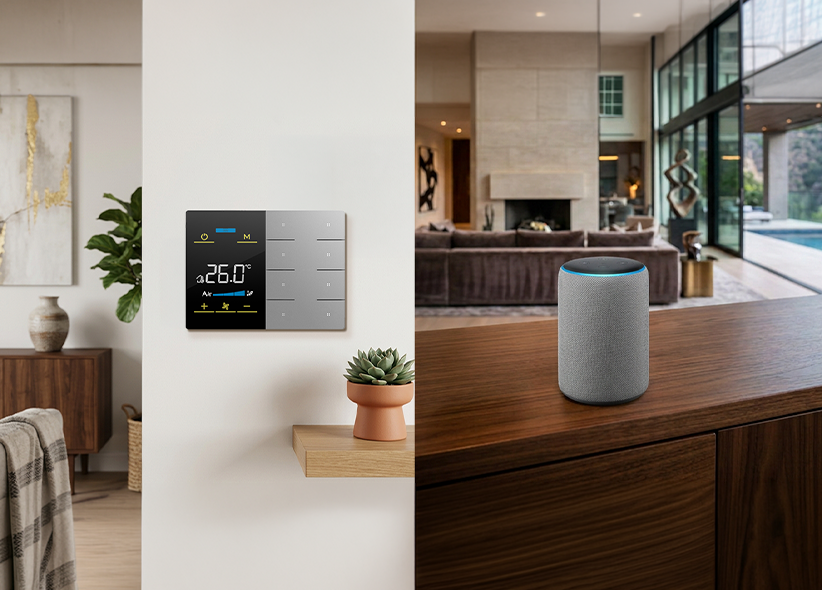


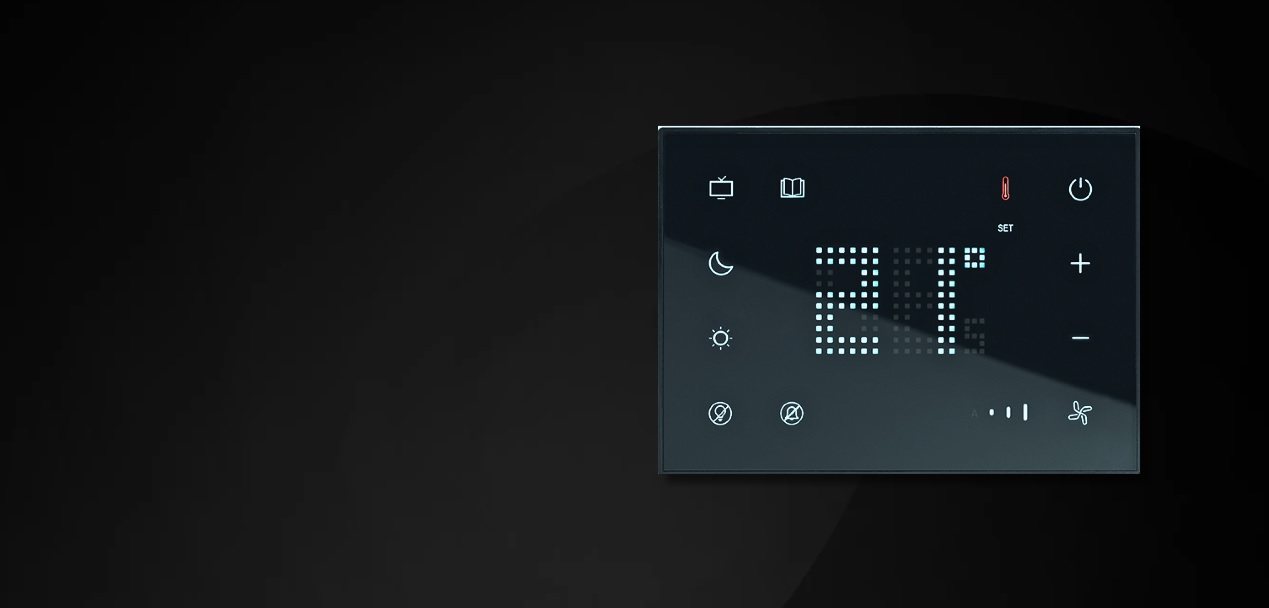
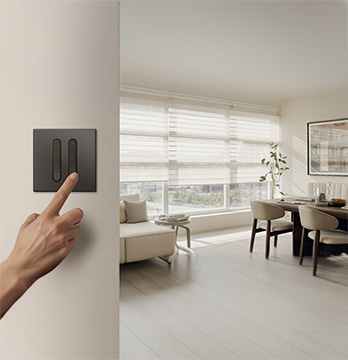
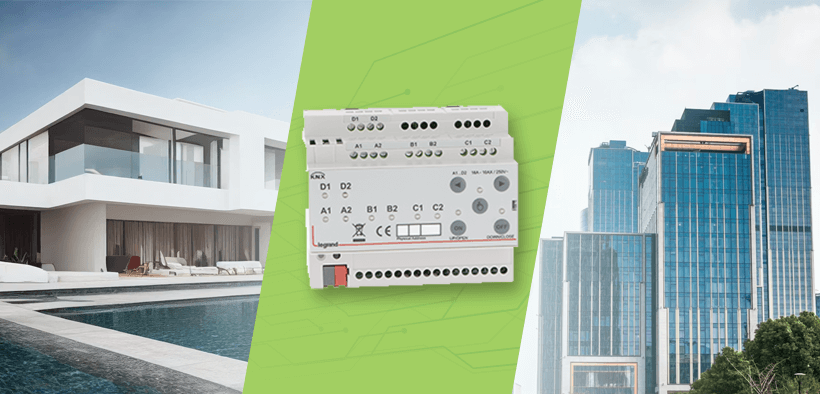
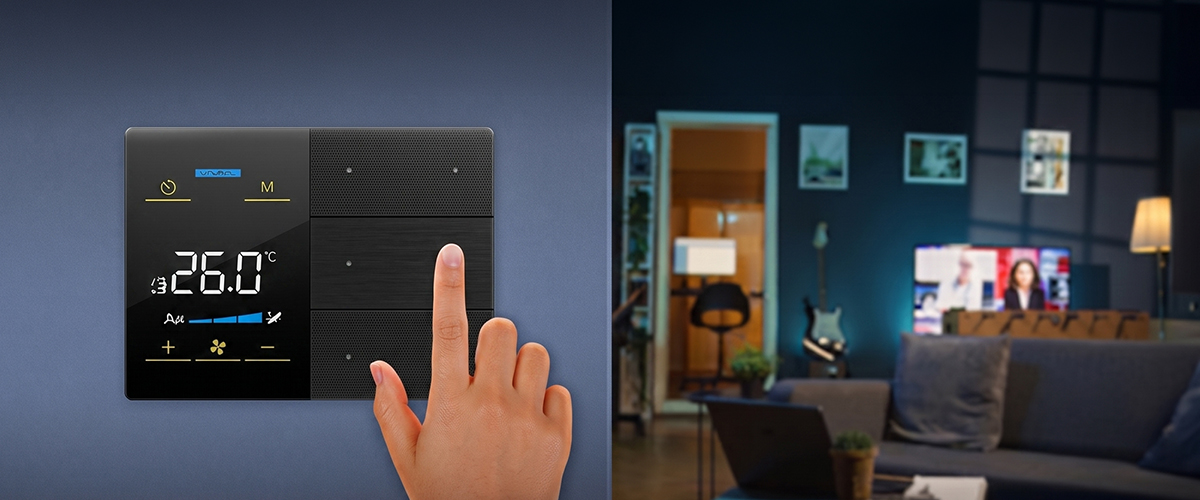
Multifunctions control for scenes control, DND/MUR management and temperature control
KNOW MORE
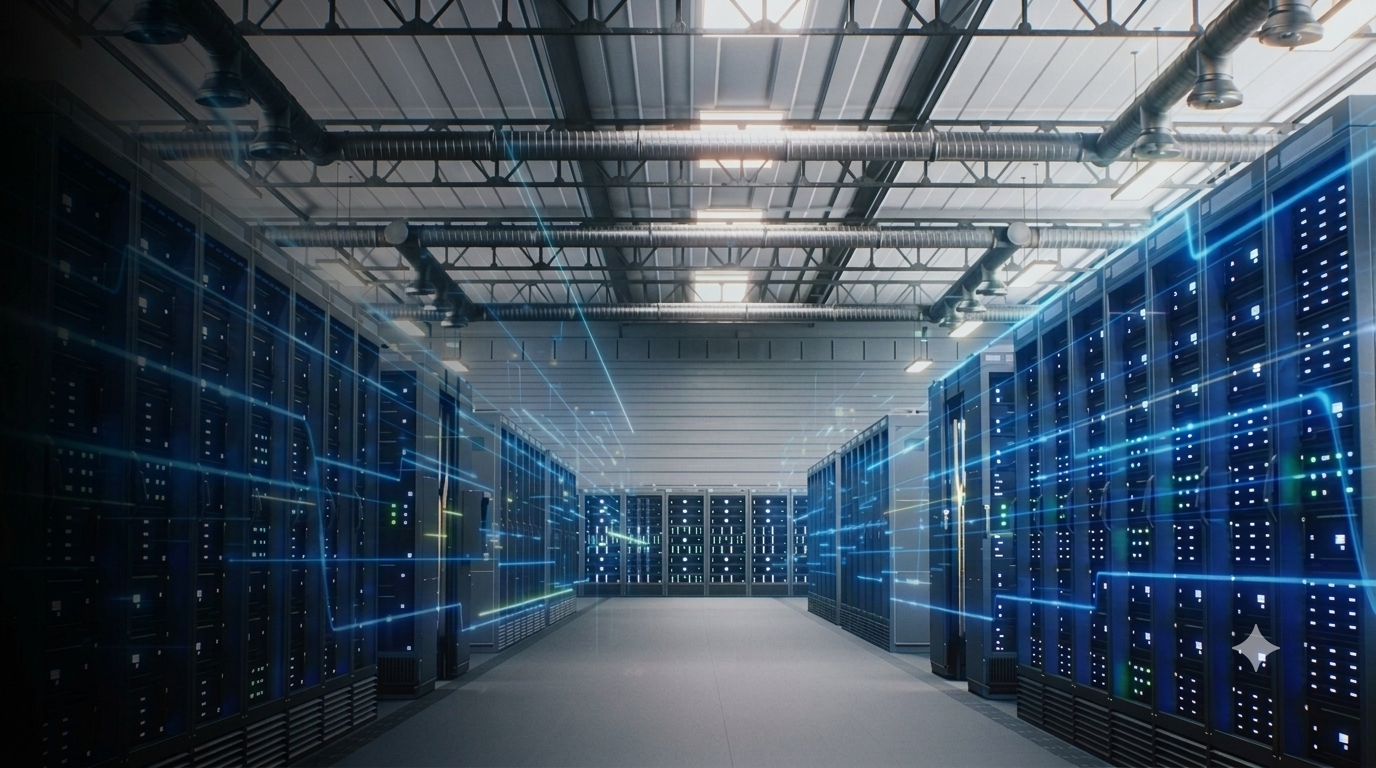
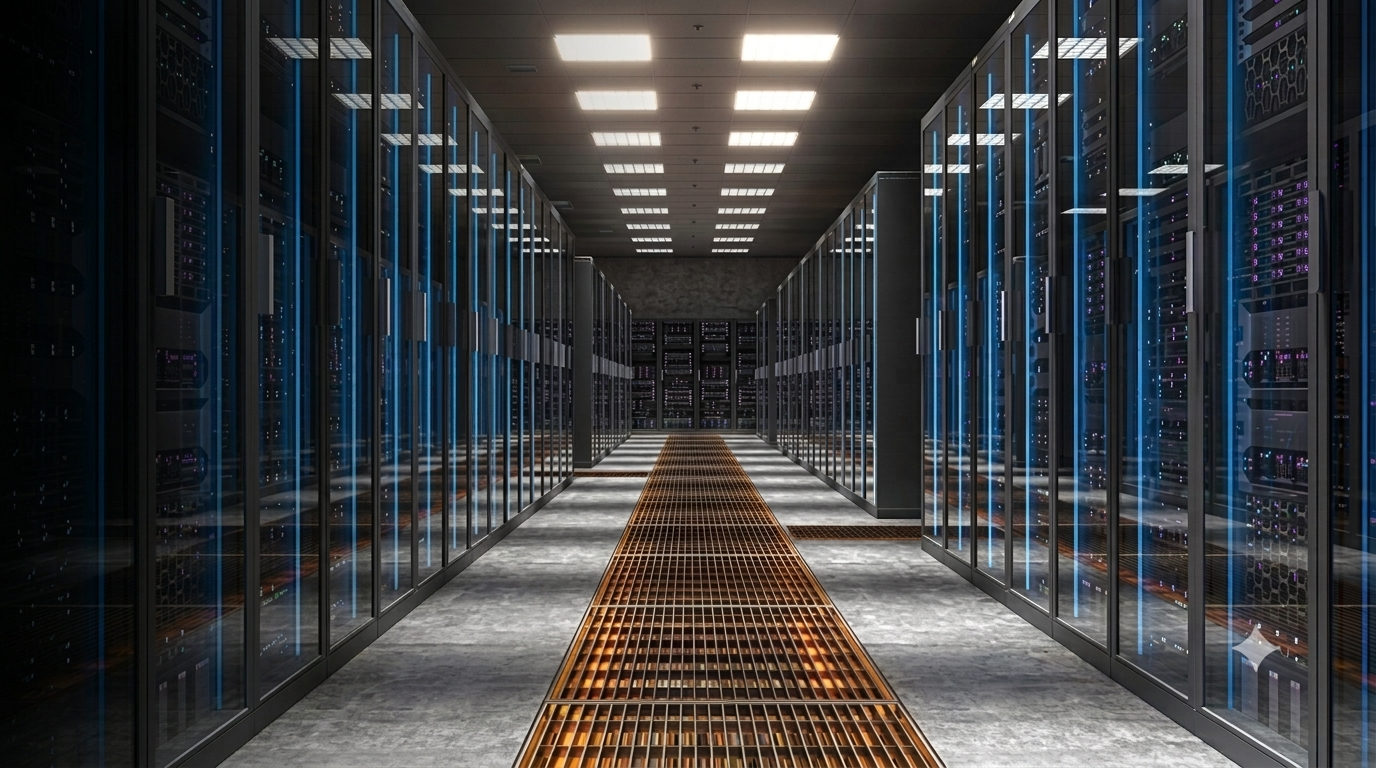
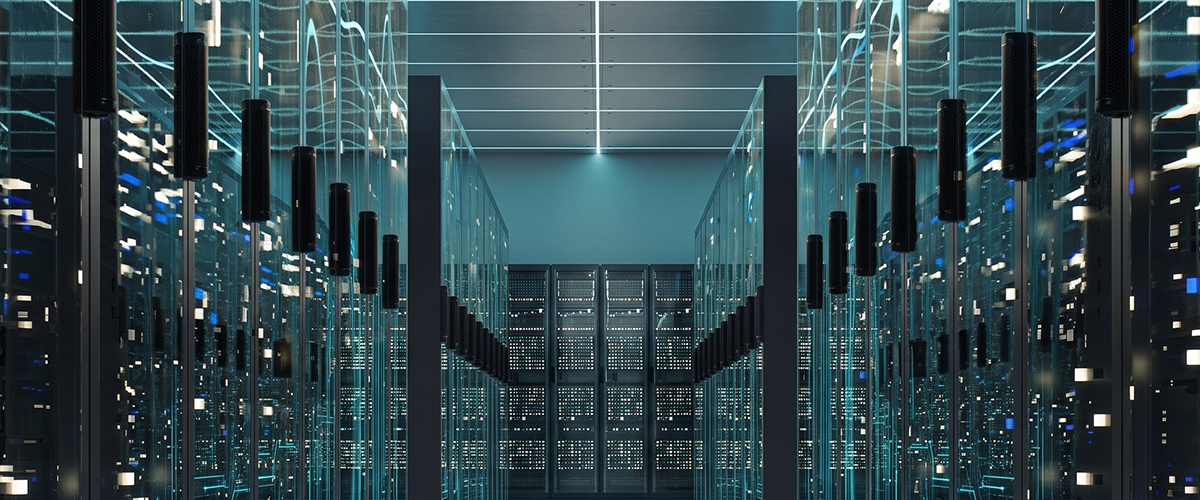
Powering Data Centers. Enabling Possibilities.

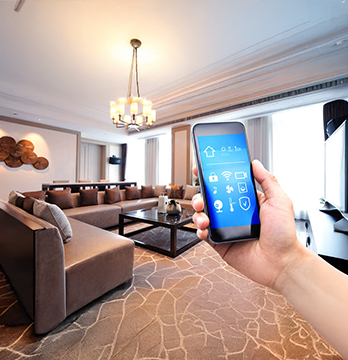
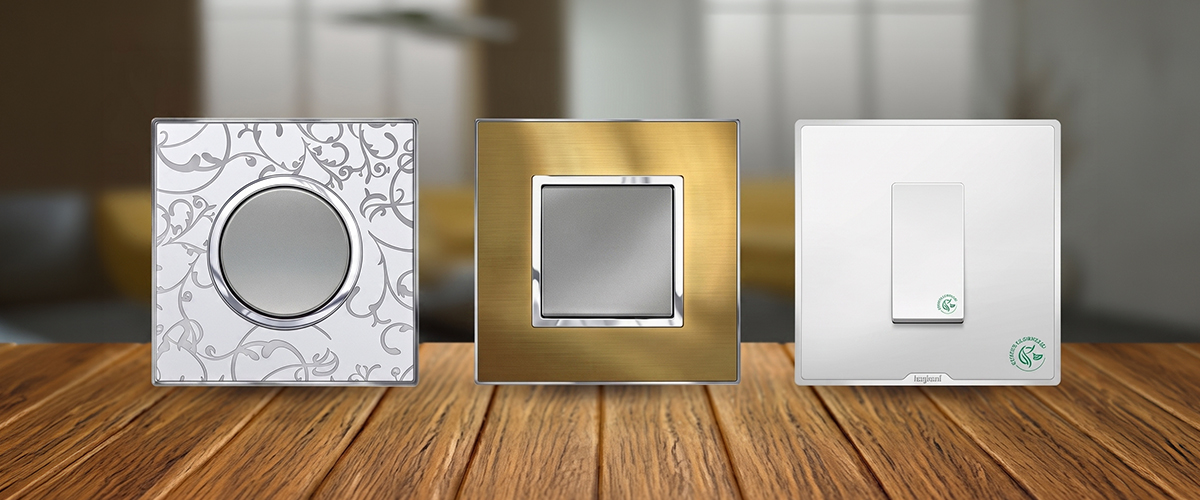
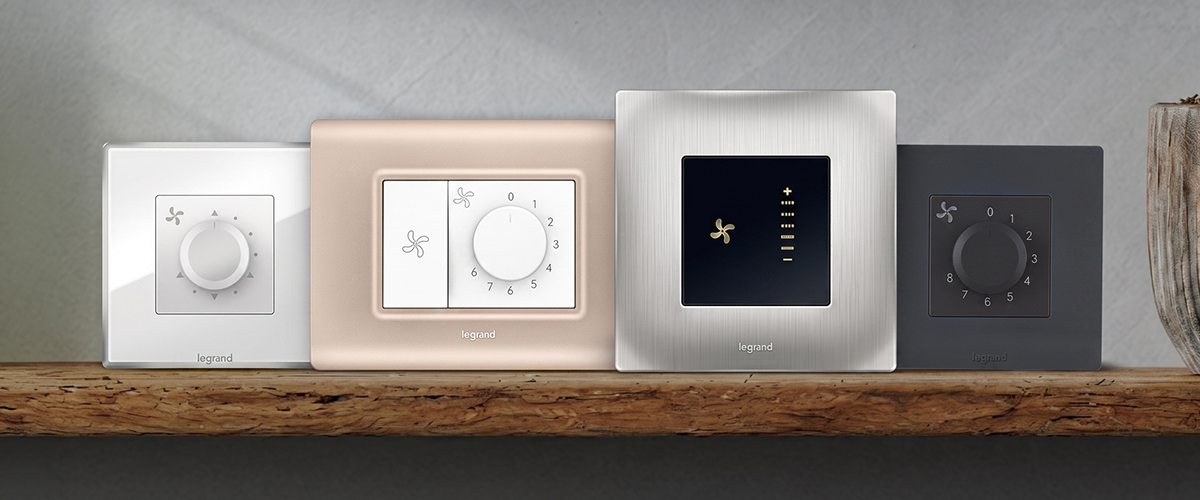
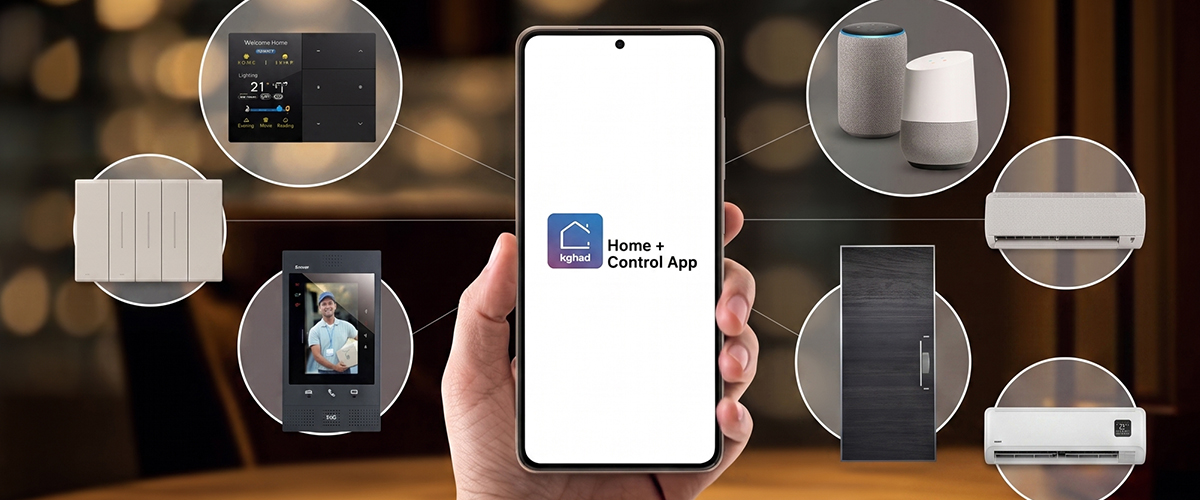
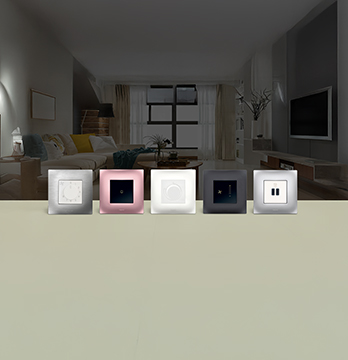
Range of accessories to enrich your living environment with enhanced IoT - based user


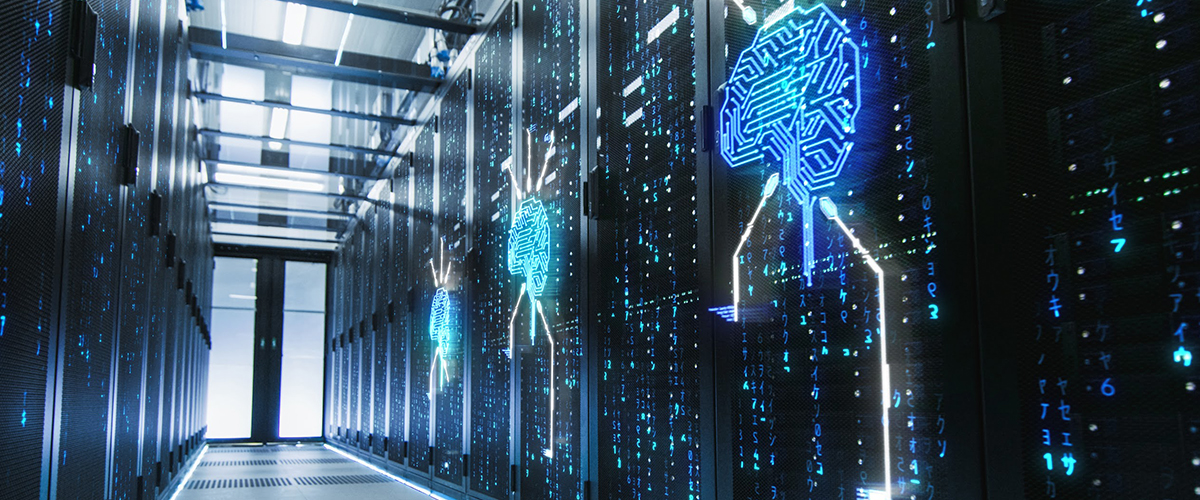
A few years ago, 15–20 kilowatts per rack was considered high density. Today, AI training environments routinely demand 40–60 kilowatts per rack and rising. This is not gradual growth. It is a structural shift in how data centers are built. And the real strain is not on the servers themselves. It is on the electrical backbone, distribution architecture, rack environments, and monitoring systems that were never designed for this level of intensity. So what actually makes a data center future ready in an AI driven world?
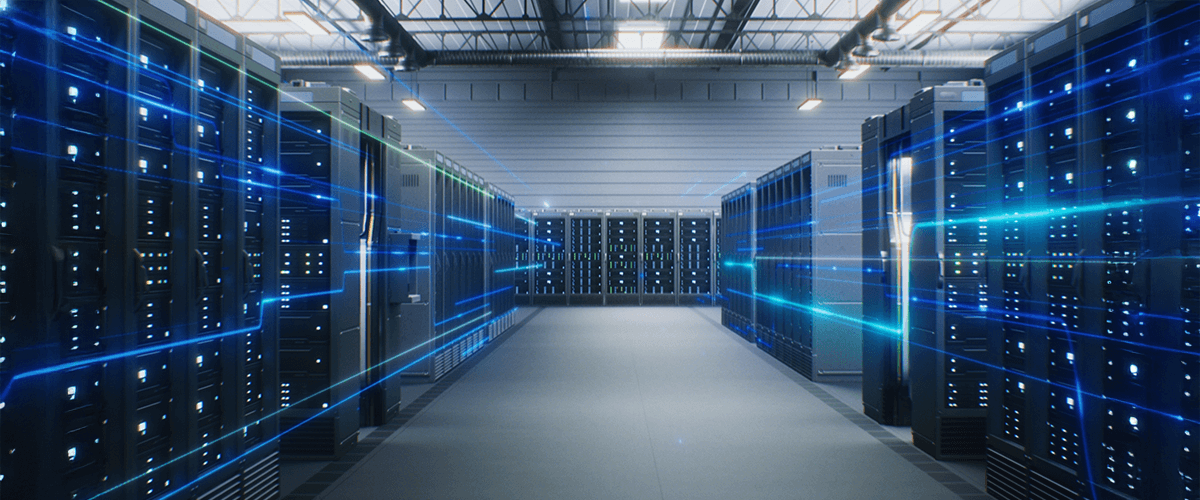
It comes down to five fundamental infrastructure shifts shaping modern data center design:
Understanding these shifts is essential for building data centers that can support the next generation of AI workloads.
Density Is No Longer the Exception, It’s the Baseline
Traditional data centers were built on a predictable assumption: growth would be slow and linear. Capacity was added row by row. Power loads behaved consistently. Infrastructure expanded in manageable steps.
AI breaks those assumptions. Workloads are concentrated. Clusters scale rapidly. Power demand fluctuates aggressively. What was once a design ceiling has quickly become the starting point. A future ready data center therefore cannot simply support current density levels. It must be engineered to absorb the next escalation without disruption.
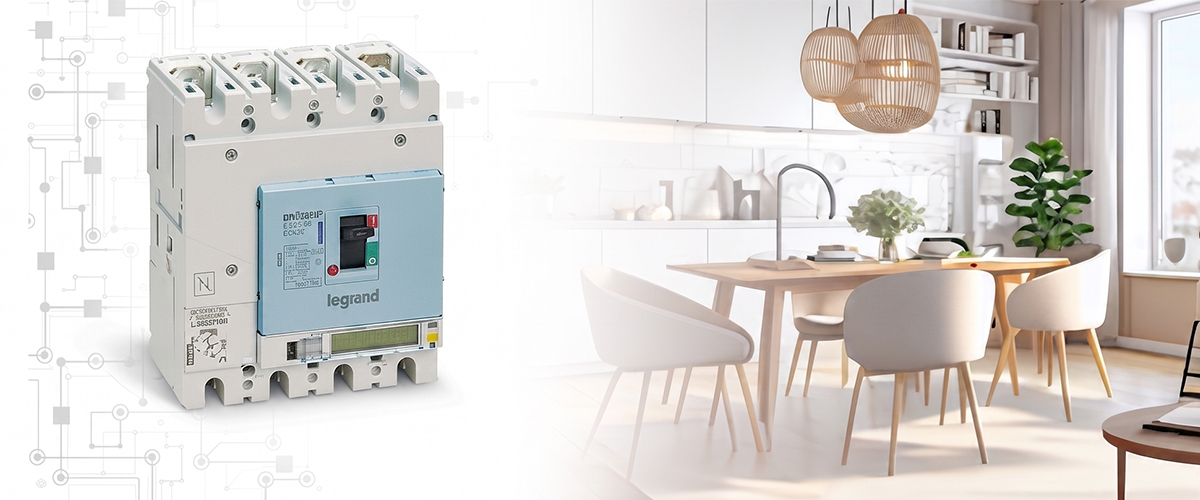
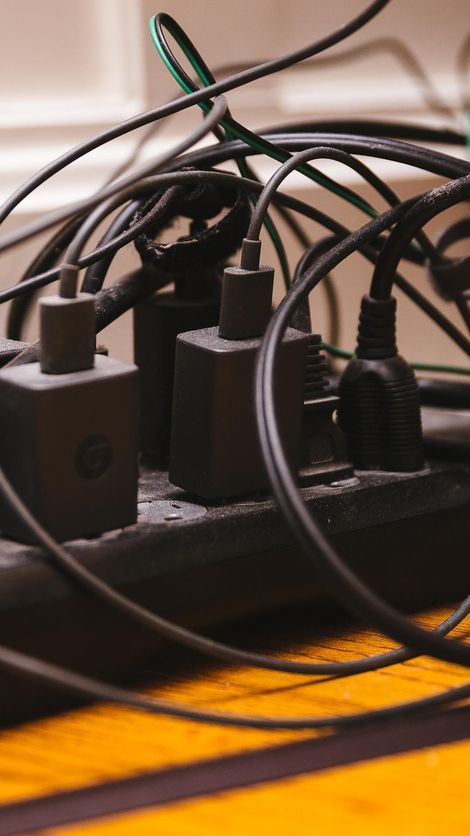
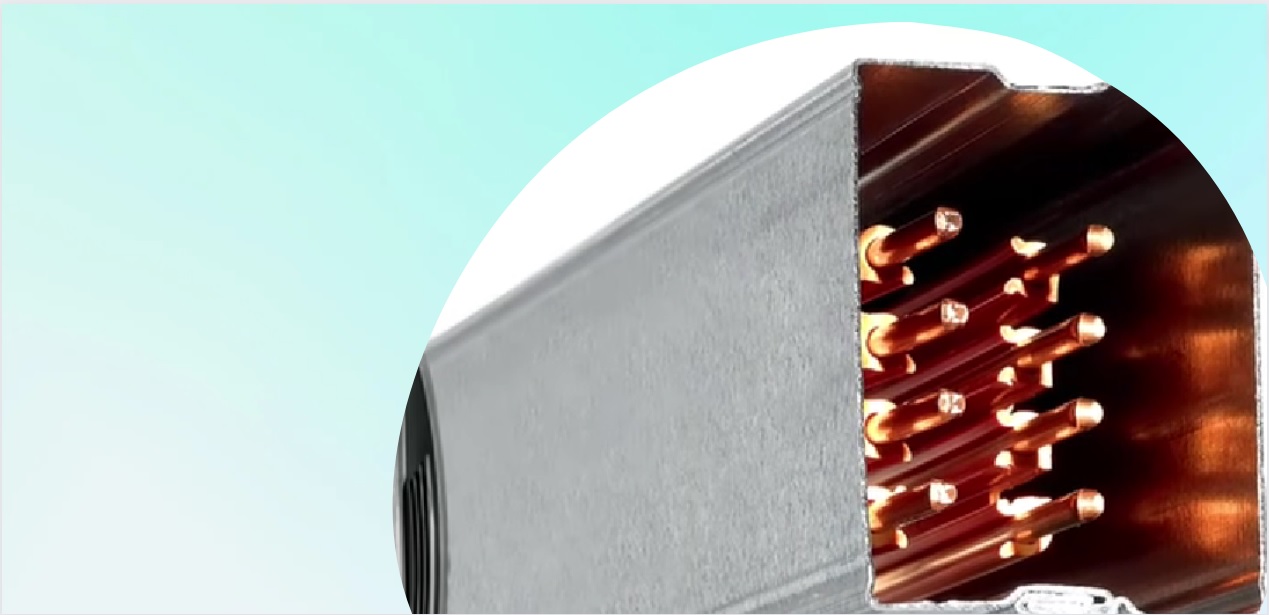
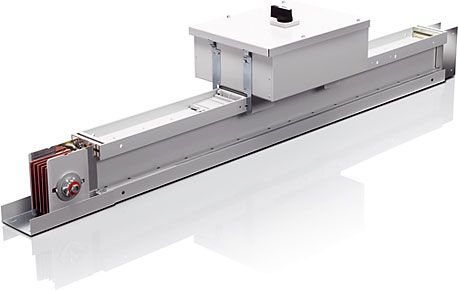
At the low voltage level, this often means moving away from rigid, cable heavy distribution that becomes difficult to manage at higher loads. Modular busbar systems, such as Legrand’s sandwich and resin cast architectures, provide a cleaner alternative. Tap-off units can be added without rewiring entire rows, allowing infrastructure to expand in step with capacity.
Future readiness begins with power distribution that can grow without redesign.
Power Infrastructure Must Grow Across the Lifecycle
AI introduces a dual challenge for power systems: higher peak demand and highly variable load behaviour. Transformers and low voltage switchboards must now operate efficiently not only at full capacity but also during partial or fluctuating load conditions. They must also support feeder expansion without forcing major panel replacements.
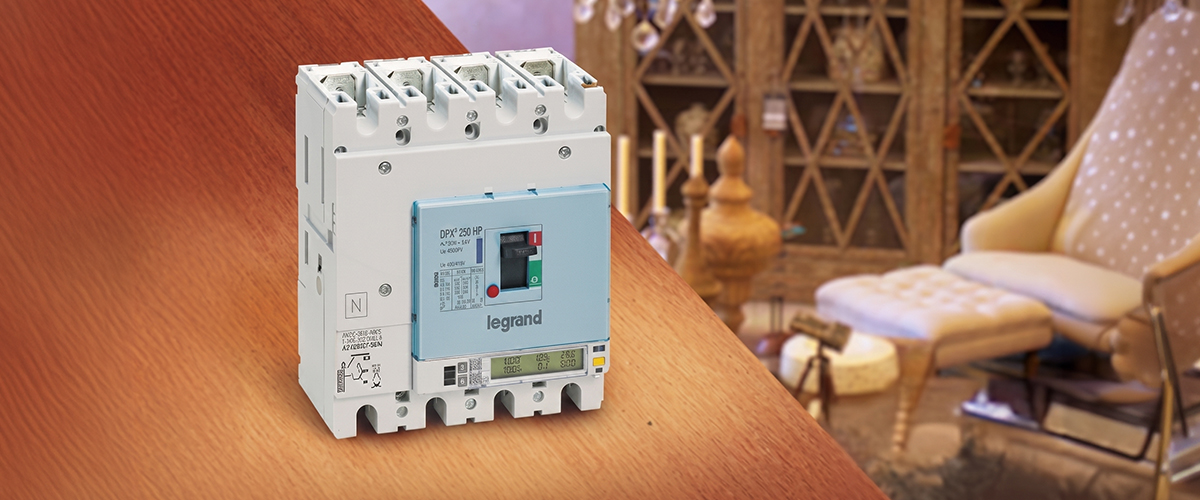
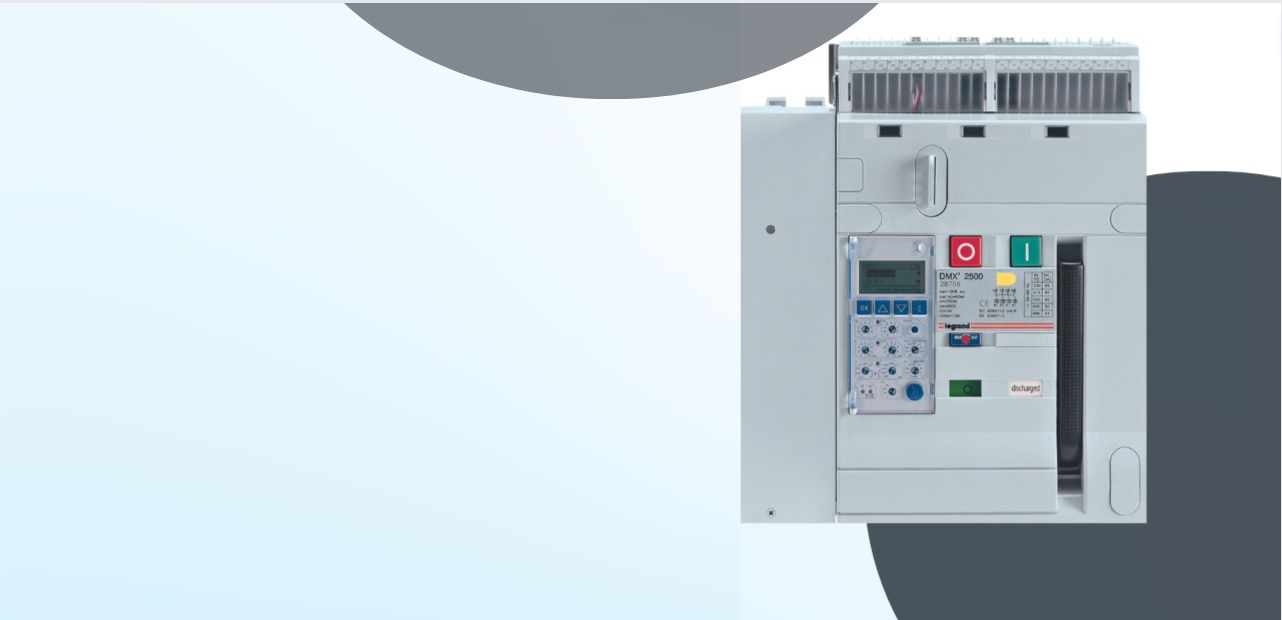
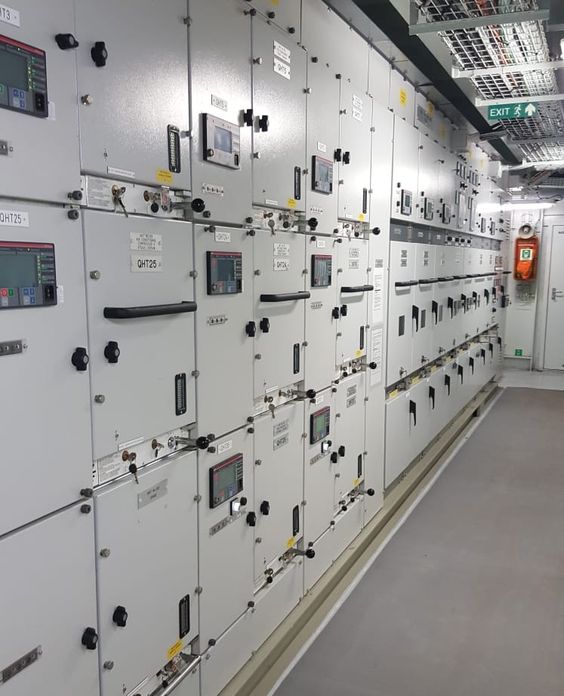
This is where modular switchboard design becomes critical. IEC 61439 compliant LV switchboards such as Legrand’s XL3 systems allow functional units to be added as demand grows, extending the usable lifecycle of infrastructure. When paired with high efficiency transformers, the focus shifts from simply meeting capacity requirements to managing performance, efficiency, and scalability over time.
In simple terms, a future ready data center is not overbuilt for today, it is designed to expand intelligently tomorrow.
The Rack Is Now a Performance Environment
In high density AI environments, the rack is no longer just an enclosure.
Poor cable routing can restrict airflow. Limited structural strength can constrain equipment deployment. Lack of monitoring can hide localized overload risks.
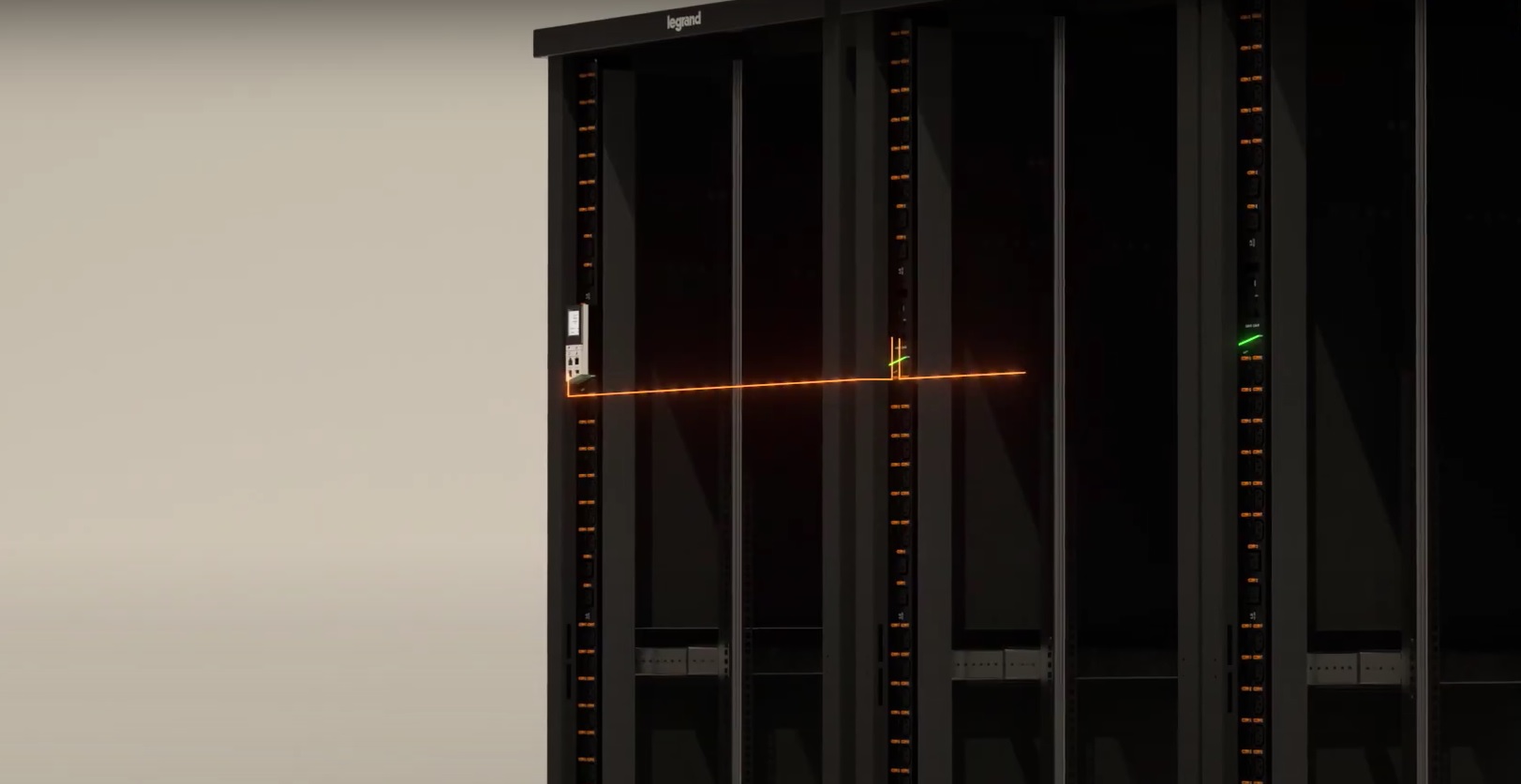
Modern rack ecosystems combine intelligent PDUs, engineered containment, and structured cabling to create a controlled infrastructure environment. Within the Legrand ecosystem, solutions such as Raritan and Server Technology intelligent PDUs, Minkels containment systems, and Netrack rack platforms help align power visibility, airflow management, and serviceability.
The goal is not simply to house equipment but to support stable, high density operation.
Future ready facilities therefore treat the rack as a strategic infrastructure node rather than a commodity component.
Intelligence Turns Capacity into Control
As density increases, visibility becomes essential. Without real-time insight, operators may technically have the required capacity—but limited control over how effectively it is used. High density clusters can create phase imbalances or localized stress that remains invisible until a failure occurs.
Intelligent rack PDUs and monitoring platforms provide granular insight into load distribution, power quality, and available headroom, enabling proactive operational decisions. This shift is subtle but important
Future ready infrastructure is not just scalable. It is measurable and manageable.
Integration Is the Hidden Advantage
One of the most underestimated challenges in AI ready facilities is ecosystem fragmentation.
When transformers, switchboards, busbars, racks, PDUs, containment systems, and monitoring platforms come from disconnected vendors, the burden of integration falls on the operator. This often leads to longer commissioning cycles, coordination gaps, and higher operational uncertainty.
An integrated infrastructure ecosystem such as Legrand Data Center Solutions (LDCS) helps align electrical, mechanical, and IT infrastructure layers from the design stage itself. The advantage is not simply convenience
It is architectural coherence where systems are designed to function together, simplifying expansion and improving lifecycle reliability.
Future ready does not mean more components. It means fewer integration gaps.
So, What Truly Defines a Future Ready Data Center?
It is not the largest facility. It is not the highest density today.
A future ready data center is one that can absorb change without structural disruption. AI will continue to evolve. Power density will rise again. Cooling models will change.
Powering What Comes Next
At Legrand Data Center Solutions, we believe future ready infrastructure goes beyond individual products. It requires integrated power, rack, and distribution ecosystems designed to evolve with technology.
Because when compute accelerates, infrastructure must lead.
That is why we go further to design solutions that support the next generation of high density, AI ready data centers
Connect with the Legrand team to explore how integrated infrastructure can help future proof your next data center deployment.
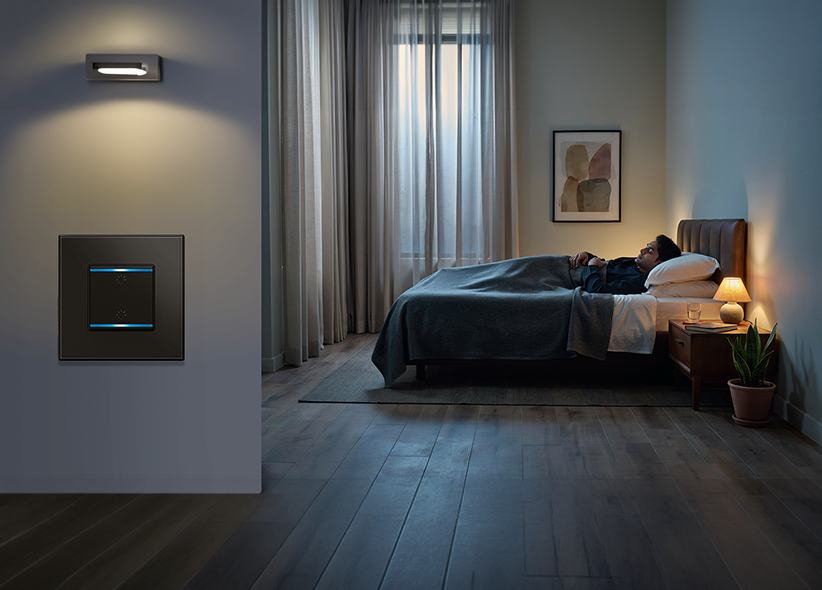
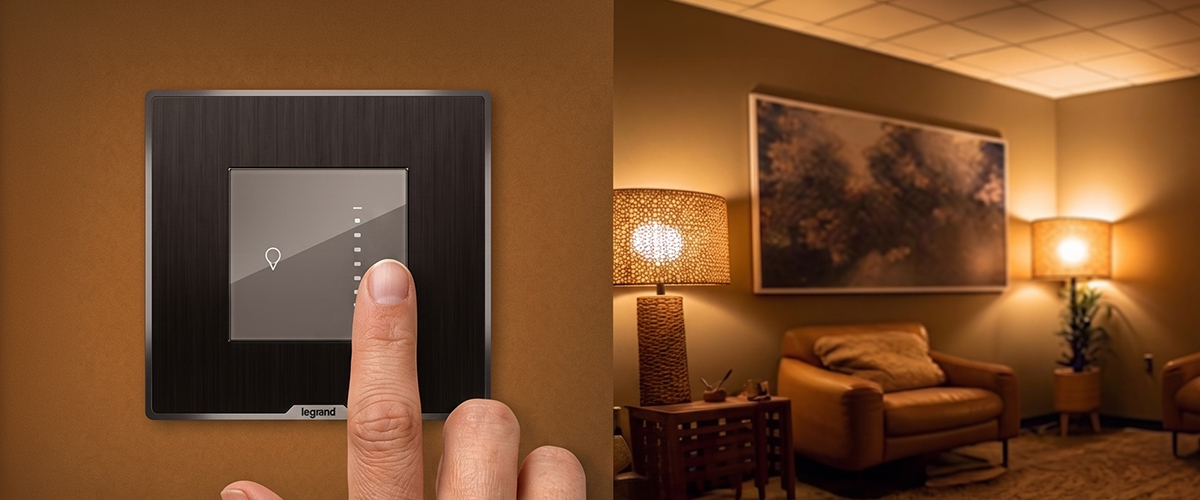
How can IoT-enabled lighting scenes improve your circadian rhythm and sleep quality?
READ SMART SPACE










 Eliot
Eliot LDCS
LDCS


 Residential
 Commercial
 Hospitality
 Industrials



 Data Center Solutions
 Hyperscale data centers