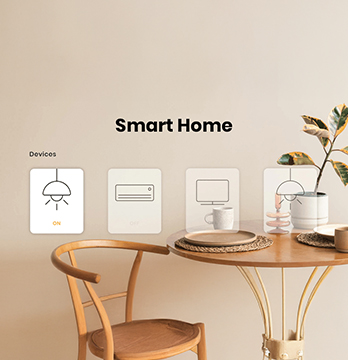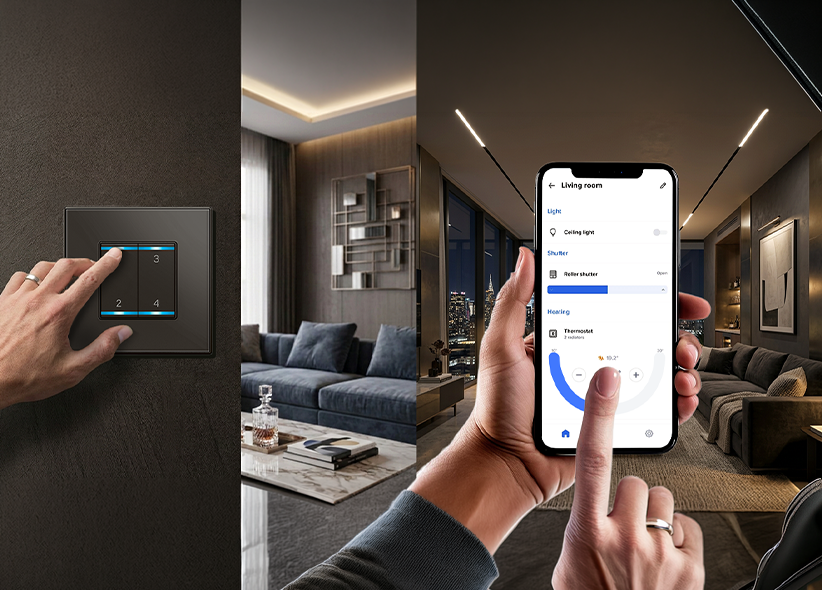


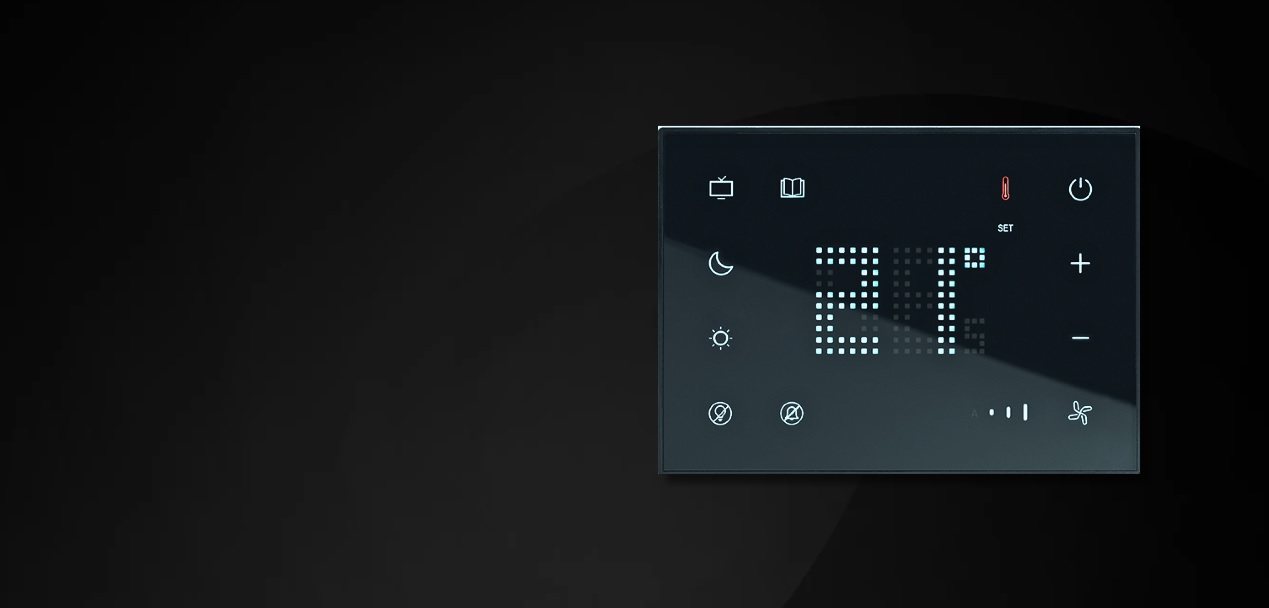
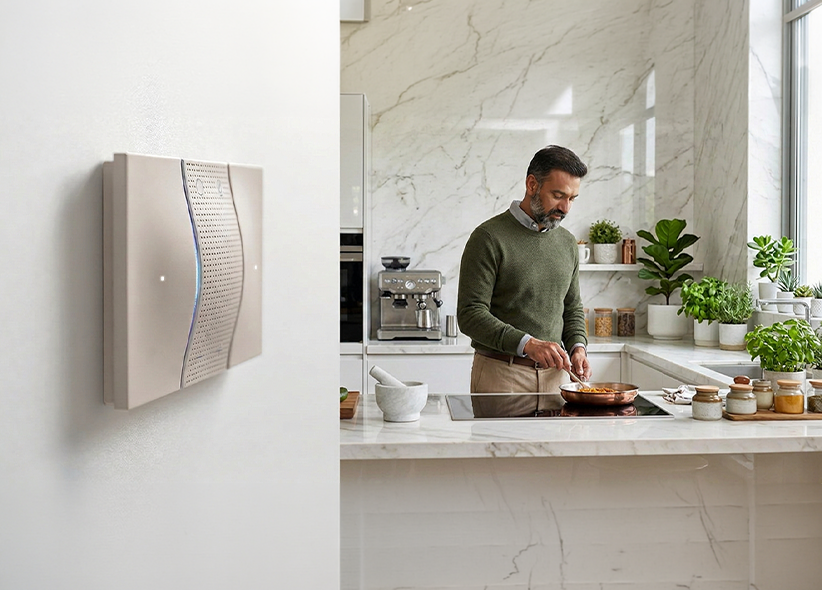
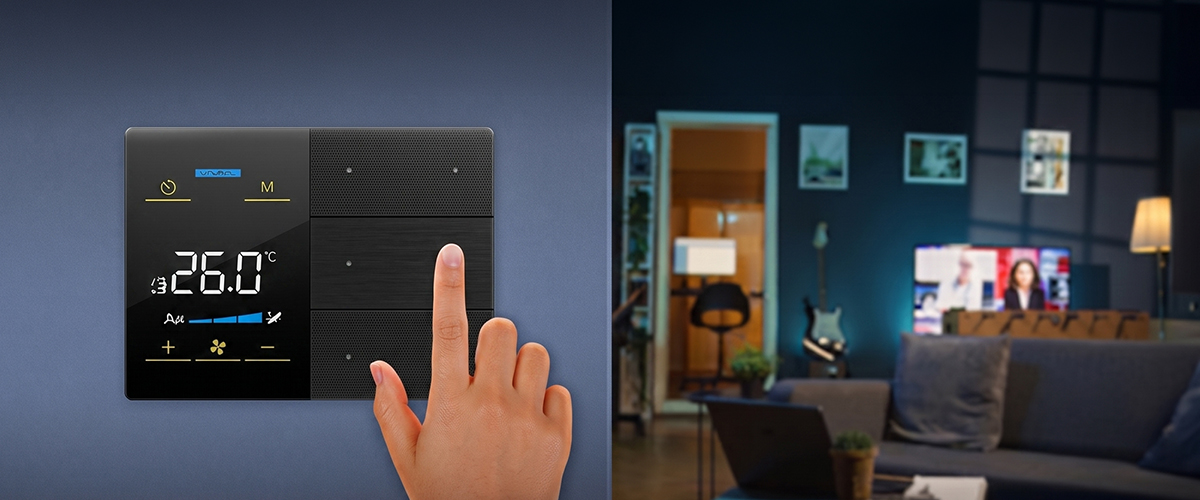
Multifunctions control for scenes control, DND/MUR management and temperature control
KNOW MORE
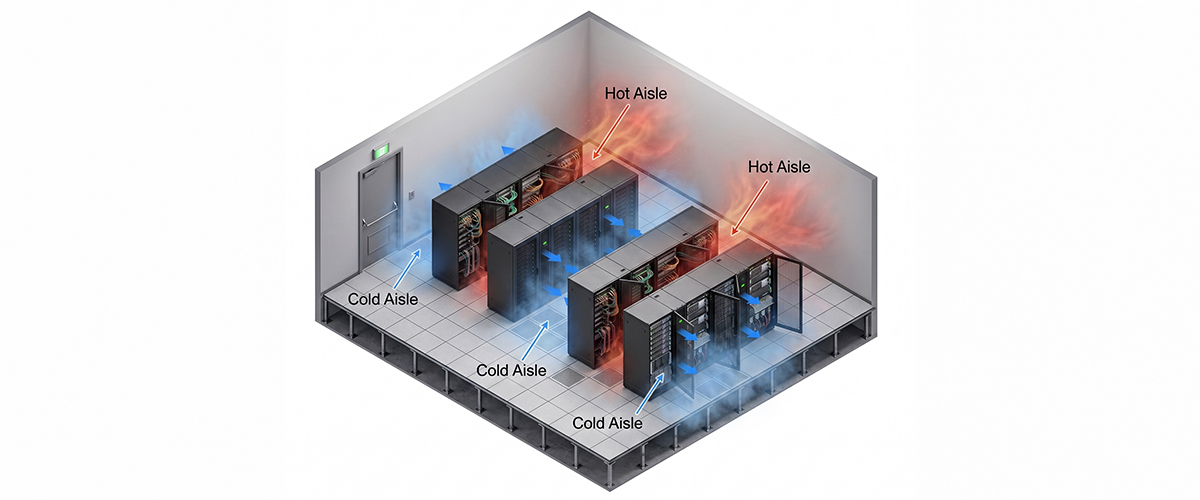
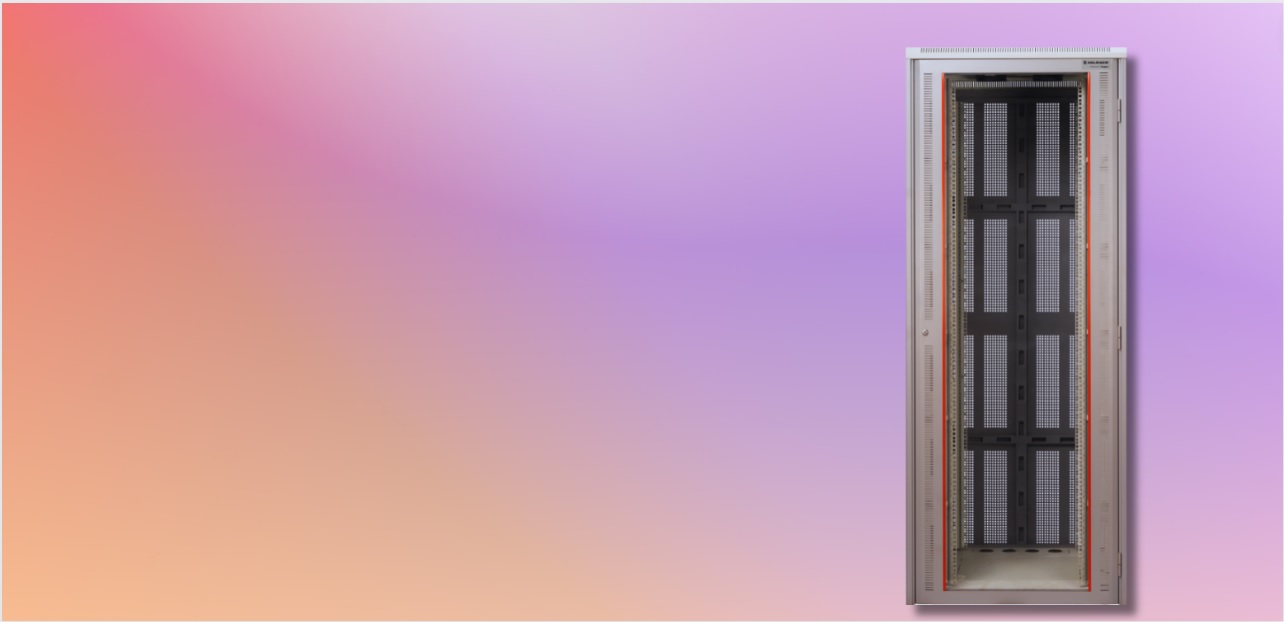
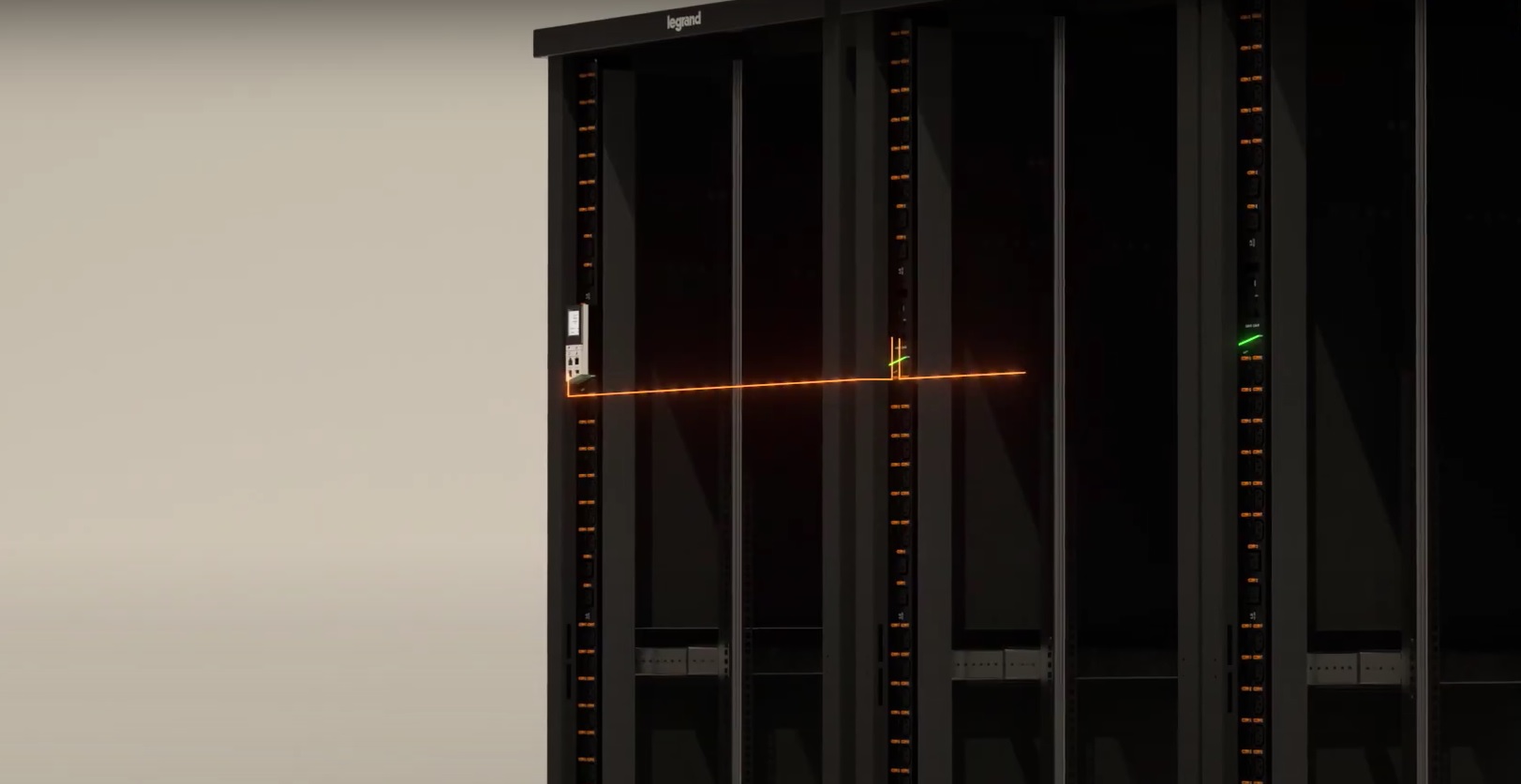
Containment systems with integrated cooling mechanisms to regulate temperature

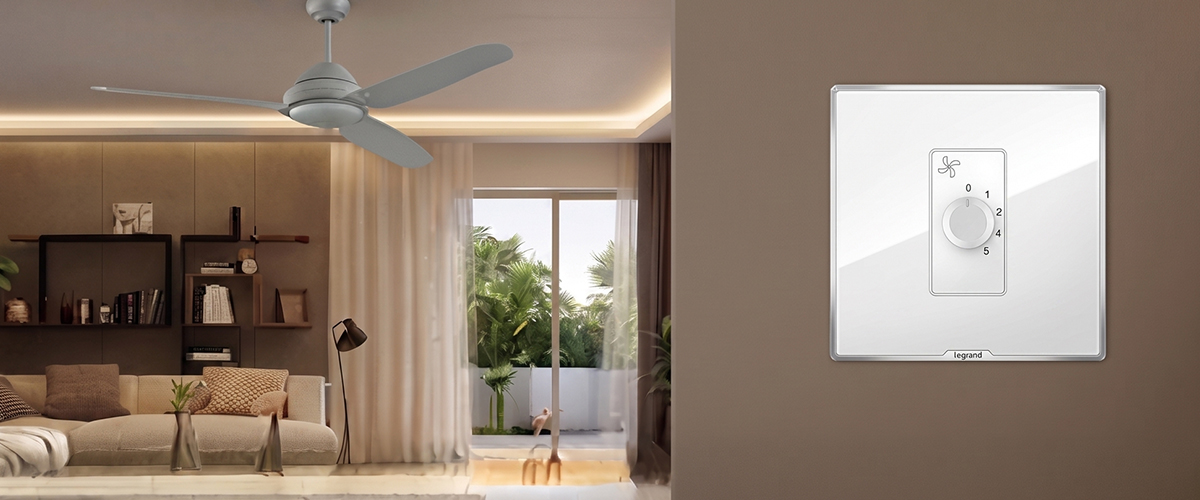
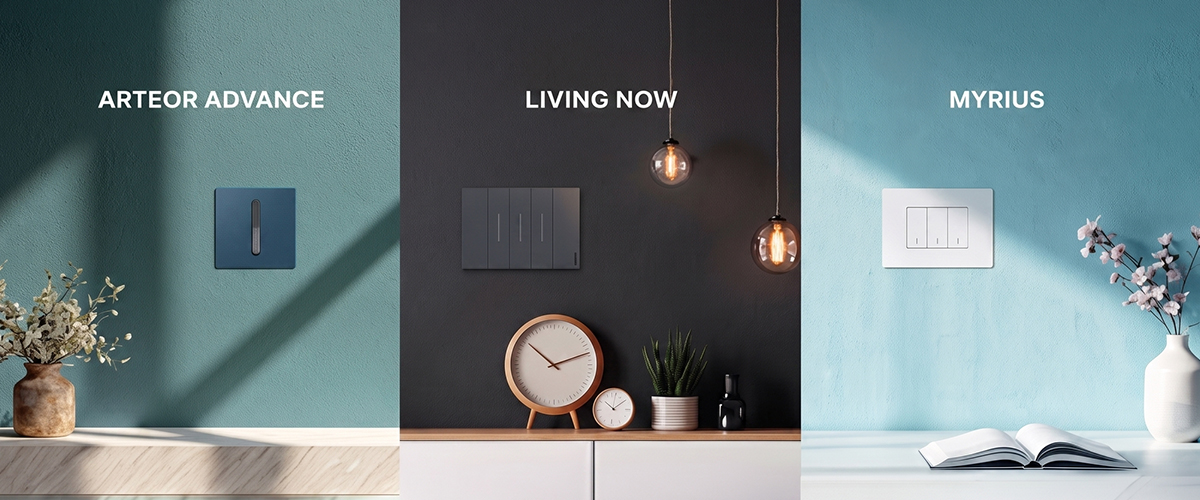
Range of accessories to enrich your living environment with enhanced IoT - based user


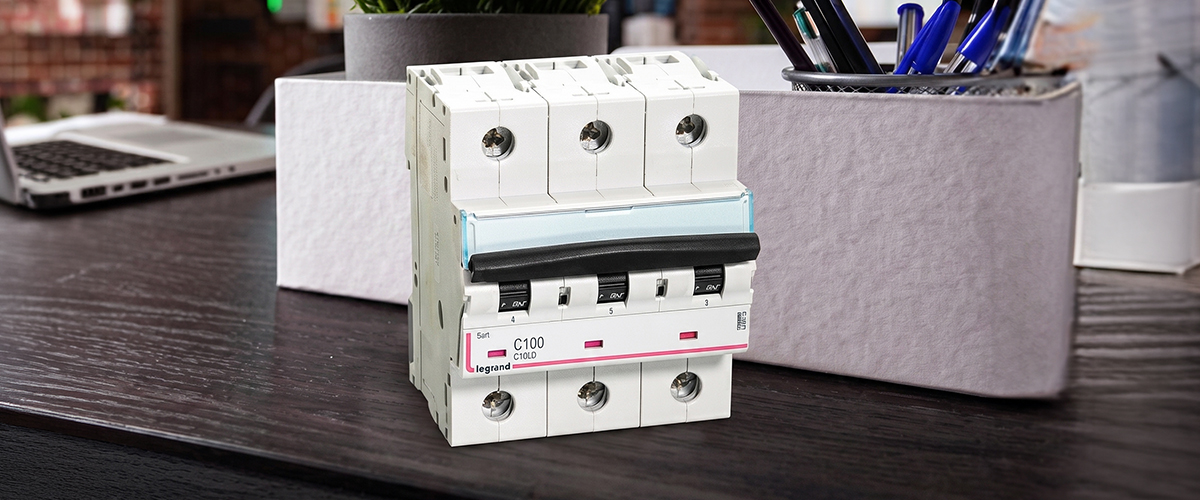
In today's electrical systems, safety and dependability go hand in hand. Whether in residential, commercial, or industrial spaces, circuit-protection devices are essential for preventing overloads and short circuits. A Miniature Circuit Breaker (MCB) is an automatic switch that protects low-voltage circuits from excess current by disconnecting the supply during overloads or short-circuit faults. MCBs are typically used for circuits up to 100–125 A, beyond which heavier-duty devices like MCCBs are preferred.
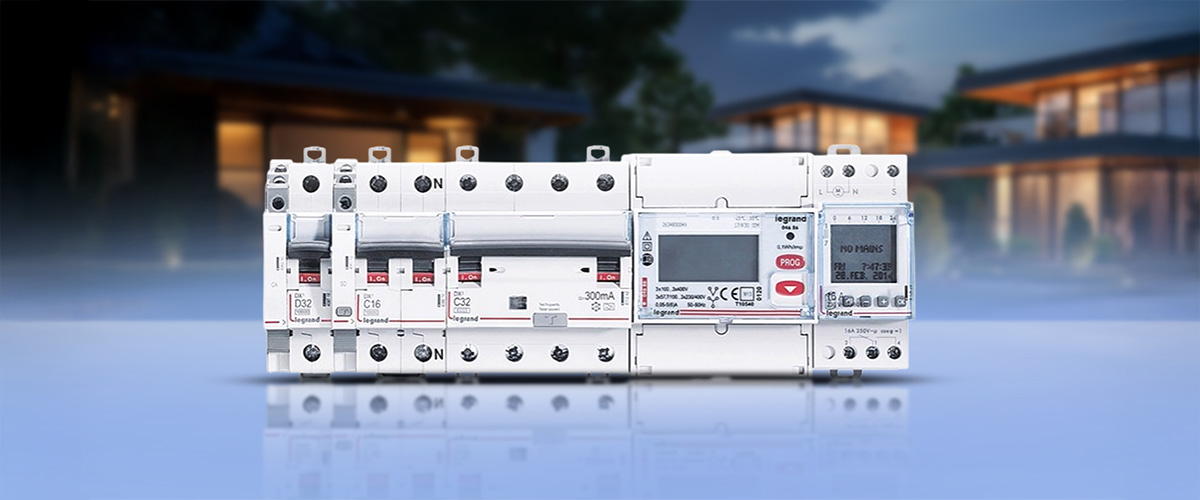
But how exactly does an MCB work, and what sets it apart from MCCBs? Let’s take a simple, easy-to-understand look at the MCB working principle while appreciating how advanced manufacturers like Legrand, a leader in power and protection devices, continue to set international benchmarks for circuit safety.
What Constitutes a Miniature Circuit Breaker (MCB) and How Does It Function Within Electrical Systems?
An MCB is an automatically operated electrical switch used to protect an electric circuit from damage caused by excess current. MCBs are a better alternative to conventional fuses, as they are more reliable and easier to use.
When there is a short circuit or an overload, the MCB immediately switches off the electrical supply. In contrast to fuses, which must be replaced once they have tripped, MCBs can merely be reset, making them convenient and inexpensive.
The MCB Working Principle
The working mechanism of MCBs depends on two principal mechanisms:
Thermal Protection (Overload Condition)
Within the MCB, there is a bimetallic strip which curves upon heating from sustained overcurrent. As soon as the strip curves beyond a specified point, it activates the mechanism to trip off, disconnecting the supply. It protects against overload situations that otherwise could destroy wires and appliances.
Magnetic Protection (Short Circuit Condition)
In the event of an abrupt increase in current, such as in a short circuit, the MCB employs an electromagnetic process. A solenoid coil within the product generates a magnetic field capable of moving the tripping mechanism instantly, opening up the circuit within milliseconds.
Combining thermal and magnetic protection, MCBs offer reliable performance by allowing harmless current spikes to pass while tripping instantly during overloads or short circuits. They are widely used in homes for lighting, socket and appliance circuits, and in commercial spaces for equipment with varying load demands. MCBs come in different trip types such as Type B for household loads, Type C for appliances with moderate inrush currents, and Type D for heavier machinery. Choosing the right MCB depends on factors like circuit load, expected starting currents and wiring capacity, ensuring proper protection without nuisance tripping.
Why MCBs Are Used in New Installations
Safer Than Traditional Fuses
Unlike fuses that melt and must be replaced after a fault, MCBs can be reset manually once the issue is resolved. This makes them far more practical and reliable for modern households.
Accurate and Dependable Protection
MCBs trip precisely at predefined current levels, protecting wiring and appliances from overloads or short circuits. Their accuracy reduces fire risks, an important factor in India, where short-circuit-related incidents are a common safety concern.
Convenient for Everyday Use
With a simple toggle mechanism, MCBs are easy for anyone to operate. This convenience makes them ideal for residential spaces where both safety and usability matter.
Compact and Aesthetic
Today’s homes expect clean, modern electrical panels. Brands like Legrand offer compact, visually pleasing MCBs suited for contemporary interior designs.
Where MCBs Are Commonly Used
MCBs are used extensively across India and are standard in:
Home distribution boards
Lighting and socket circuits
Protection for appliances like ACs, geysers, refrigerators
Office circuits and small commercial setups
Small workshops and light industrial installations
From urban apartments to rural electrification projects, MCBs are now the default safety device in Indian wiring systems.
Selecting the Right MCB
Choosing the correct MCB ensures proper protection and avoids nuisance tripping. Key considerations include:
Circuit load:Match the MCB rating to the circuit’s normal operating current.
Type of load:
Type B for lighting and residential circuits
Type C ○for appliances with moderate start-up surges (ACs, pumps)
Type D for equipment with high inrush currents
Pole configuration:
1P for single-phase circuit
2P/3P for equipment requiring isolation of both live and neutral or for three-phase supplies
A quick note: devices like MCCBs are used only for higher-capacity industrial needs, but for homes and small businesses, MCBs remain the most widely used and appropriate protection solution.
The Legrand Advantage in Circuit Protection
Legrand is world-renowned for its innovation in circuit protection devices, providing both MCBs and MCCBs that balance safety, efficiency, and reliability. DX3 (MCB/MCCB) & DPX3 (MCCB) are one of the more renowned ranges for MCB and MCCB.
Advanced Design: Legrand circuit breakers employ precision engineering to provide quicker tripping and improved reliability.
Global Standards: Devices are produced to international safety and quality standards, and as such, are relied upon internationally.
Comprehensive Range: From household MCBs to large-capacity MCCBs, Legrand has the complete range of protection solutions.
User-Friendly: With clear labelling, ergonomic designs, and clean aesthetics, Legrand makes sure its products are safe and also convenient to use and maintain.
Why Knowing the Working Principle Is Important
For developers, electricians, and homeowners, the MCB working principle is not just about technical information. It assists in seeing how the little devices can stop big-scale dangers like fires, equipment breakdowns, or electrical faults.
In a nation like India, where energy consumption is increasing and electrical safety is becoming an issue, information about products like MCBs and MCCBs is a must. Selecting established brands like Legrand ensures not only protection but also sustained performance and a sense of security.
Conclusion
Electrical safety is the cornerstone of contemporary life. MCBs and MCCBs are vital elements that protect individuals, equipment, and infrastructure against electrical failure. The operation of MCBs might be straightforward, but their effect is tremendous. With the integration of thermal and magnetic protection, MCBs provide precision and reliability in daily applications.
Where small applications are in question, MCBs are the preferred option. Where greater capacity in large applications is required, MCCBs offer uncompromising protection. Thanks to options such as Legrand taking the initiative, homeowners, developers, and the industry can rely on world-class circuit protection solutions.
So, the next time you are wondering what MCCB is or how MCBs work, take note that these switches are not merely switches, but safety guardians in every electrical system.
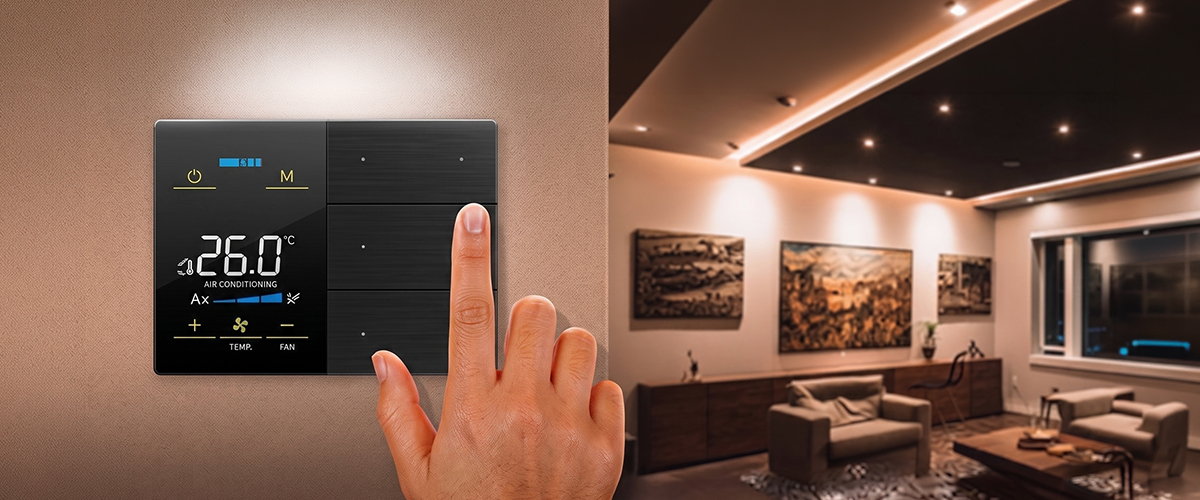
Home automation India: simplifying daily tasks with the latest technology
READ SMART SPACE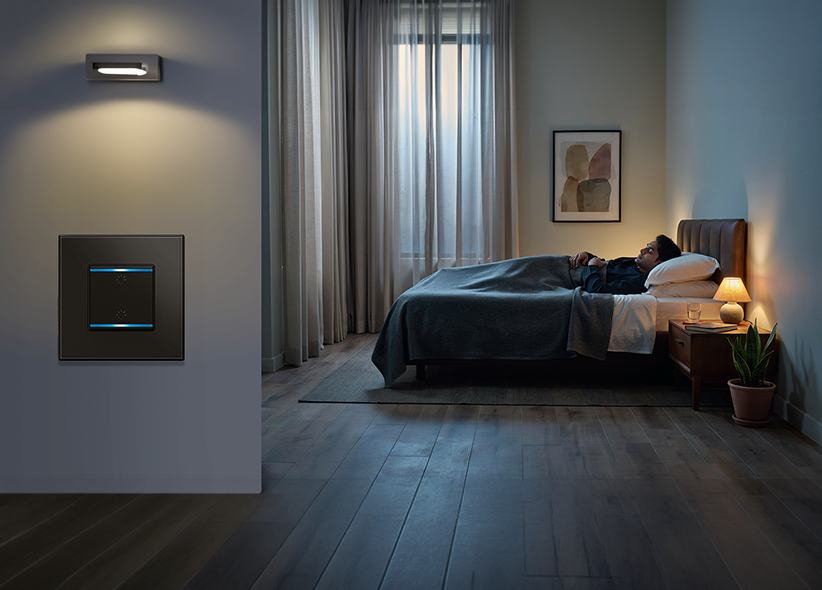
How can IoT-enabled lighting scenes improve your circadian rhythm and sleep quality?
READ SMART SPACE













 Eliot
Eliot LDCS
LDCS



 Residential
 Commercial
 Hospitality
 Industrials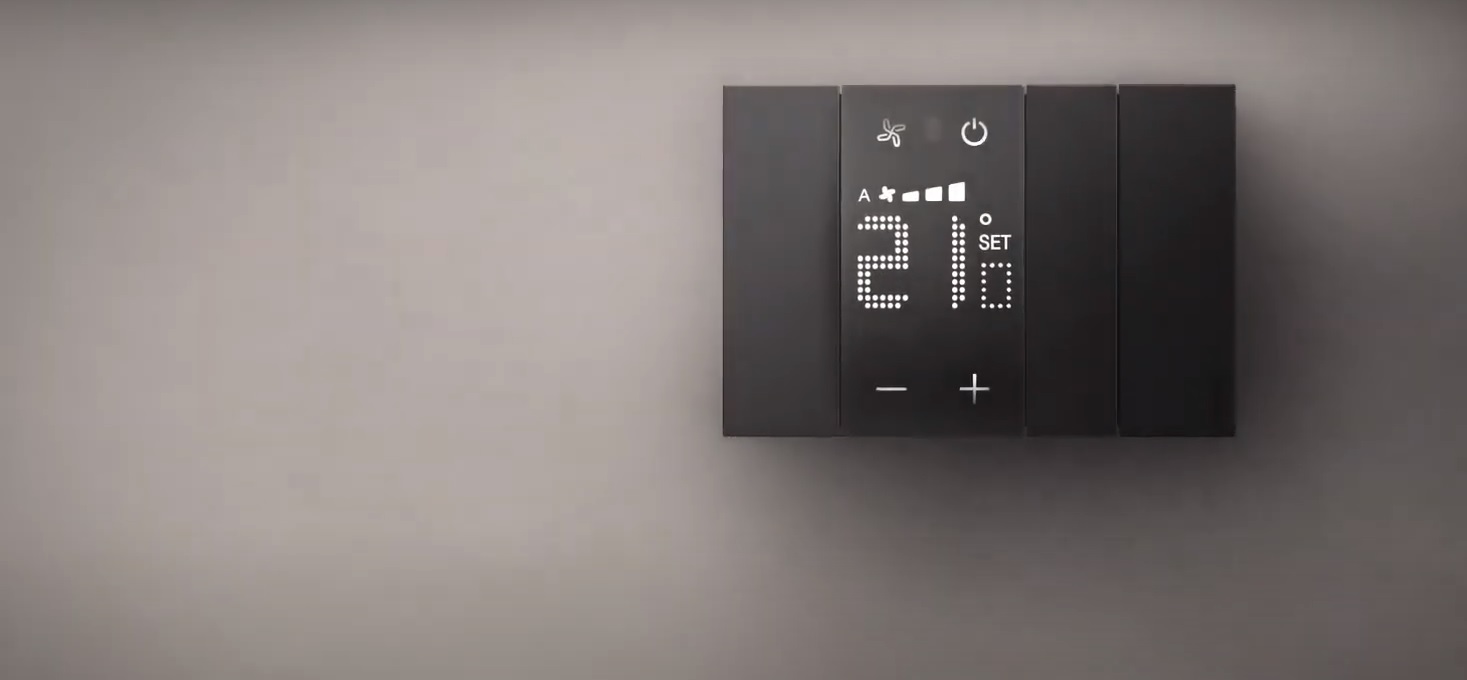






 Data Center Solutions
 Hyperscale data centers