


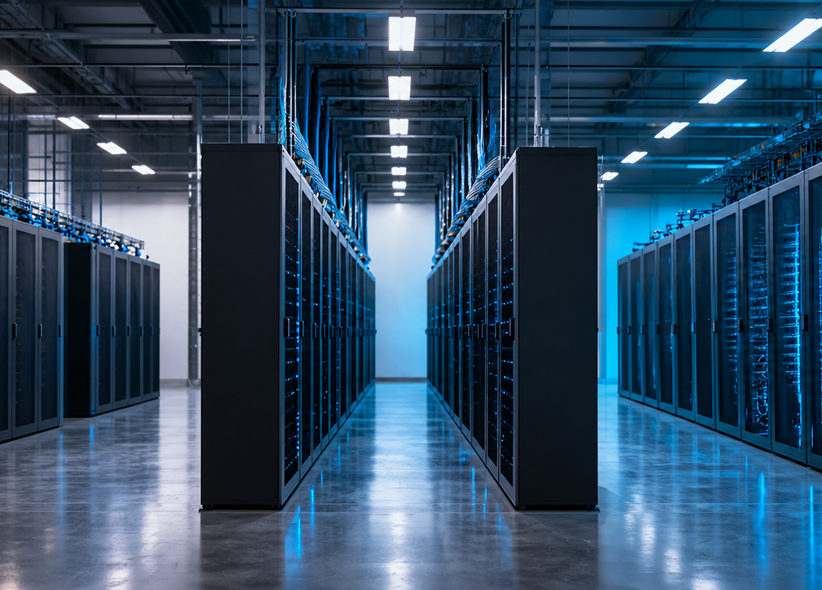
Containment systems with integrated cooling mechanisms to regulate temperature

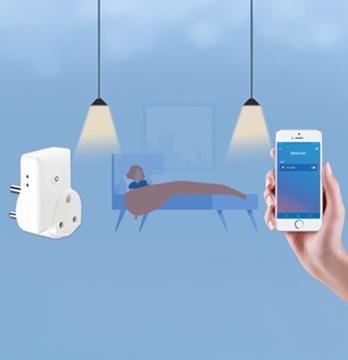
Range of accessories to enrich your living environment with enhanced IoT - based user


Consider a question that belongs in every capacity review. If a facility has 100 MW of installed power capacity, how much of it could actually be committed to a new tenant today?
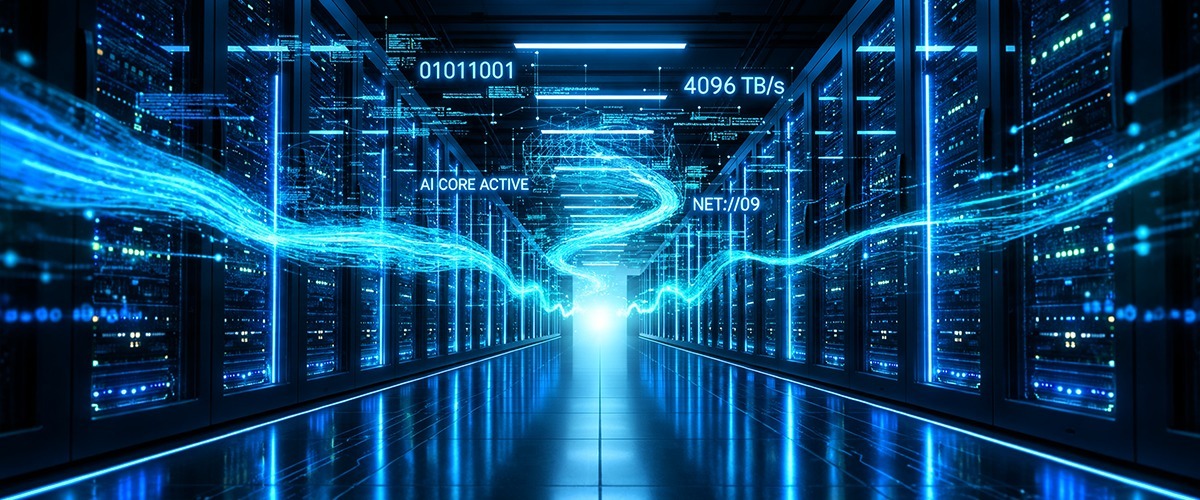
For many colocation operators, the answer may be less than expected. Part of the installed power may sit idle: paid for and maintained, but not generating revenue. It may be reserved for a tenant who has not yet ramped up, located in the wrong hall, or available on paper while the cooling or distribution infrastructure cannot support the required load.
This is the empty megawatt problem: capacity that exists within the facility but cannot be converted into revenue. As AI pushes rack densities higher and increases the demand for concentrated power and cooling, the problem is becoming harder to ignore.
Stranded capacity is power, cooling or space that is installed in a facility but cannot be used or sold because another constraint is holding it back. The megawatt exists on the single-line diagram. It simply cannot reach a paying tenant.
For a colocation operator, this is the distinction that matters. Installed MW is engineering capacity. Deployable MW is commercial capacity. Only the second shows up in revenue.
However, allocated capacity, actual consumption and deployable capacity are not the same. A tenant may consume less power than it has contracted, but the unused portion cannot automatically be offered to another tenant if it remains contractually reserved or if the supporting infrastructure cannot accommodate a new load.
Stranded capacity rarely results from a single mistake. It builds up gradually, a few kilowatts at a time:
Want a complete smart home ecosystem
Reserved but not used. Tenants contract for capacity to secure future growth, then ramp up more slowly than planned. Although actual consumption may remain below the contracted allocation, the reserved capacity cannot automatically be offered to another tenant.
In the wrong place. Spare power sits in one hall while demand is in another. Existing distribution infrastructure may not allow that capacity to be redirected without additional electrical modifications.
Held back by cooling. The electrical capacity is available, but the cooling infrastructure in that zone cannot support the rack density or thermal requirements of the next tenant.
Locked behind conservative buffers. Redundancy and tenant isolation are essential. However, limited visibility into actual loads and power paths can lead operators to rely on conservative planning assumptions. Better monitoring can help validate these assumptions while maintaining required redundancy and resilience margins.
Fragmented. Small pockets of leftover power are spread across rows and racks, with none large enough or suitably located to meet the requirements of the next tenant.
Individually, each of these appears minor. Together, they explain how a facility can seem sold out while its meters tell a different story.
AI tenants need large amounts of power in a relatively small footprint, concentrated within a specific deployment area. Scattered spare capacity is of little use to them. They need a dedicated block of power with matching cooling infrastructure to support high-density deployments.
A single colocation facility may now host enterprise racks at 8 to 10 kW, cloud workloads at 20 to 40 kW and AI racks at 100+ kW, all under one roof.
As rack densities increase, the challenge is no longer simply about having sufficient power across the facility. It is about having the right amount of power, in the right location, with the cooling and distribution infrastructure to support it.
AI deployments may require multiple high-density racks operating together. If available capacity is fragmented across different halls or rows, operators may struggle to accommodate these requirements, even when the facility has sufficient electrical headroom overall.
As a result, the gap between installed and deployable capacity tends to widen. A facility may have significant headroom in total, but if that headroom is spread thinly across halls, a high-density AI tenant cannot use it.
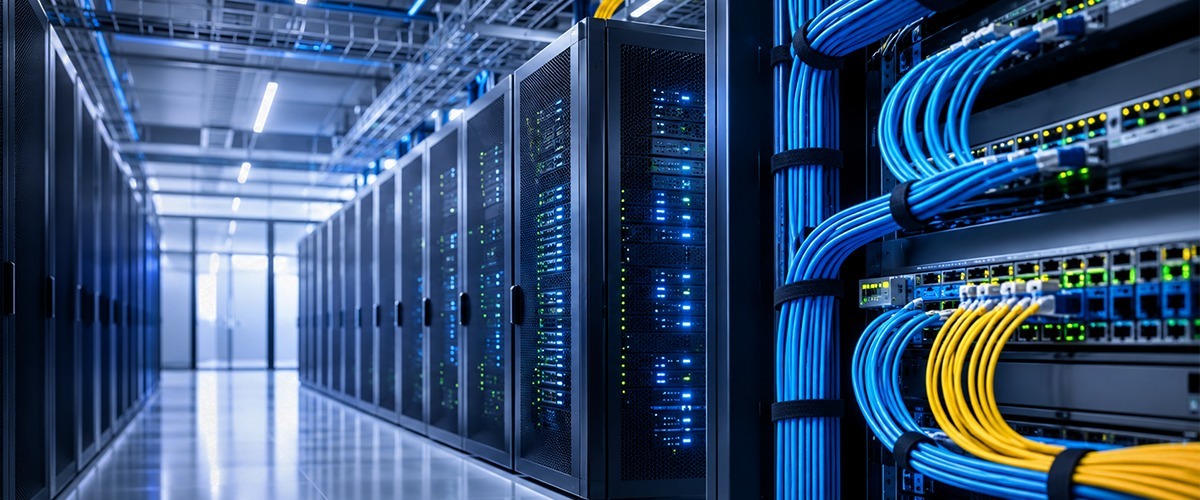
Most stranded capacity is not a design flaw. It is a visibility gap.
Operators typically know exactly what each tenant has contracted. However, they may have less granular visibility into actual consumption across halls, rows, racks and individual outlets. Without this information, capacity planning often relies on nameplate ratings and conservative assumptions rather than actual operating data.
Better visibility into power consumption can help operators identify underutilised allocations, understand where available capacity exists and make more informed decisions about infrastructure utilisation.
A useful test: can your team say today how much of each tenant's contracted power is actually being used?
More importantly, can that information be mapped against available power and cooling capacity at the hall, row and rack level?
A good metering hierarchy provides visibility at every level the power passes through, from the incoming supply to the outlet. Each level answers a different question:
| Level | What it tells you | Commercial relevance |
|---|---|---|
| Incoming supply | Overall power availability and total consumption | Establishes facility-level power headroom |
| Main distribution | How load is distributed across power paths | Helps identify distribution constraints |
| Hall or zone | Power availability and consumption by location | Helps match tenant demand with available infrastructure |
| Row (busway tap-off) | Power availability and consumption at the row level, where metering is available | Helps identify rows that may support additional loads |
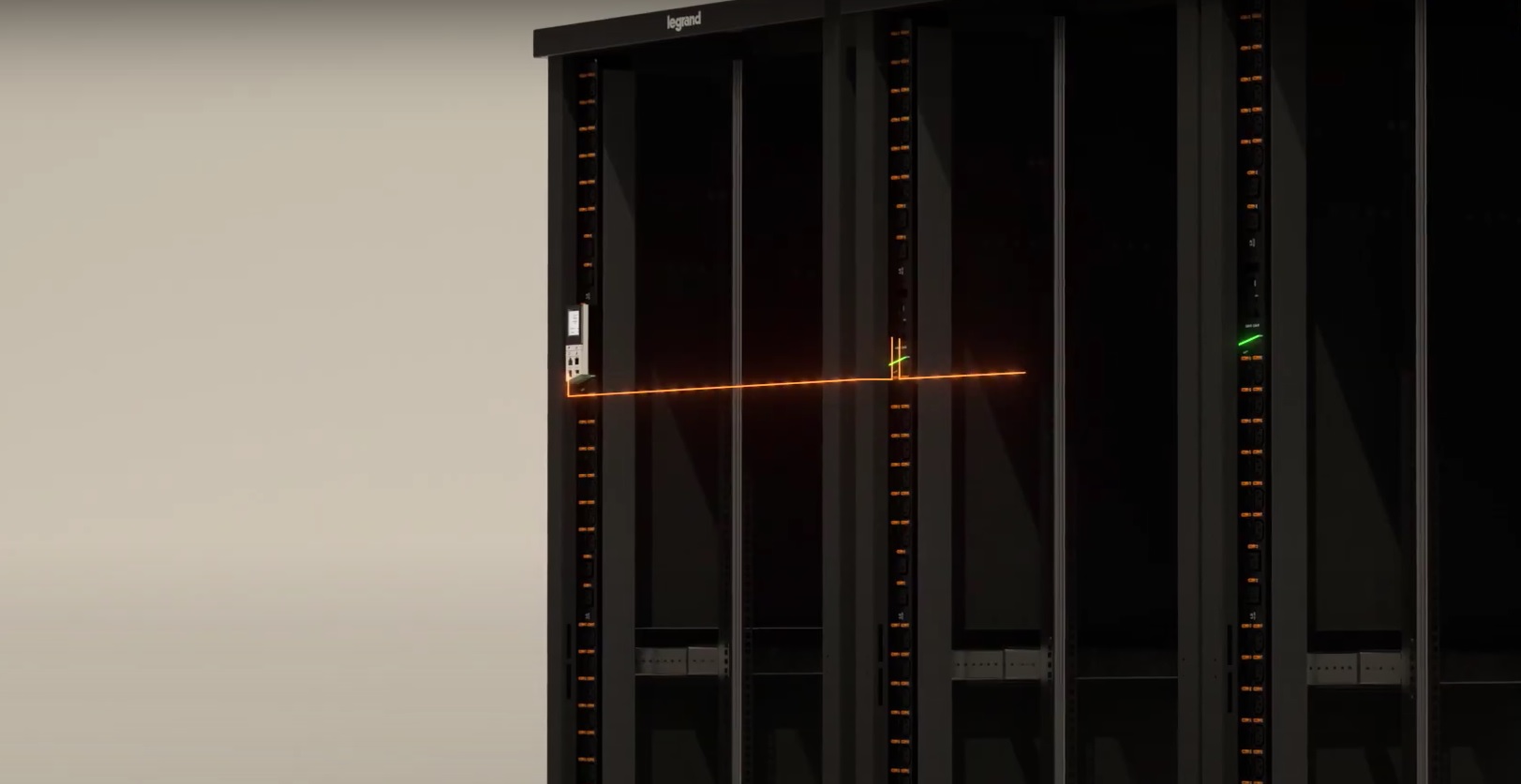
| Rack (intelligent PDU) | Actual rack-level power consumption | Helps compare allocated capacity with actual tenant consumption |
| Outlet | Individual outlet-level consumption, where supported | Provides granular visibility into equipment-level power usage |
When these levels work together, guesswork gives way to data. Operators can compare contracted, allocated and consumed power, identify underutilised capacity and understand where additional loads may be accommodated.
This visibility also helps operators make better-informed decisions about power allocation, infrastructure planning and tenant requirements, while maintaining the necessary electrical and operational constraints.
By combining granular power visibility with flexible power distribution. Once monitoring identifies where capacity may be underutilised, the infrastructure must provide the flexibility to support changing tenant requirements.
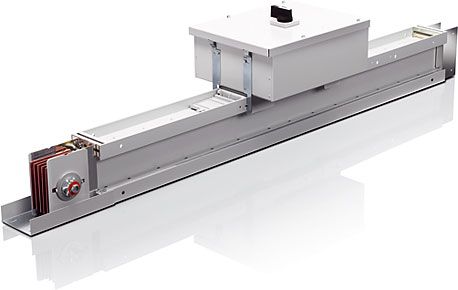
Overhead busway is a good example. Tap-off units can be added or relocated along the run as tenant requirements change, with far less rework than fixed cabling. Modular distribution allows capacity to be directed to zones where demand is growing, while intelligent rack PDUs confirm the load profile before and after every change.
The data also changes the commercial conversation. At renewal, reservations can be discussed with tenants on the basis of actual consumption rather than estimates, helping operators make more informed decisions about future capacity allocation.
Where the supporting electrical and cooling infrastructure is already in place, recovering stranded capacity can help operators unlock greater value from existing investments. Rather than immediately expanding infrastructure, operators may be able to utilise available capacity more effectively.
Consider a hypothetical 100 MW facility with only 70 MW of commercially deployable capacity. The remaining 30 MW represents a potential capacity gap, not necessarily 30 MW that can be recovered immediately.
By improving visibility into actual consumption, identifying distribution constraints and evaluating cooling readiness, operators can determine whether a portion of this capacity can be made deployable.
Even recovering a fraction of that gap could create an opportunity to accommodate additional demand, improve infrastructure utilisation and defer certain capital investments.
In many cases, the most cost-effective megawatt is the one a facility already has.
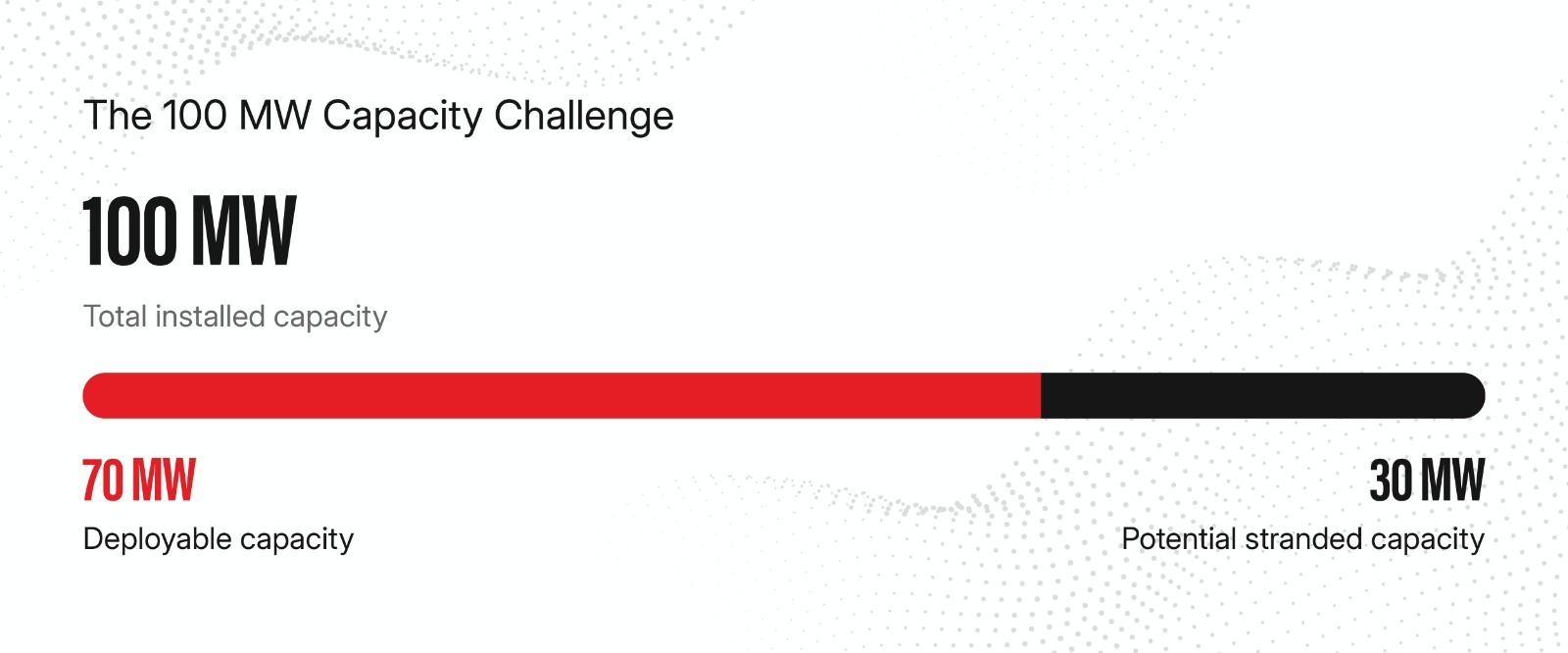
The 30 MW capacity gap does not necessarily represent recoverable capacity in its entirety. However, by improving visibility into actual consumption, identifying distribution constraints and evaluating cooling readiness, operators can determine how much of this capacity can potentially be made deployable.
Putting recovered capacity to work can mean:
In many cases, the most cost-effective megawatt is the one a facility already has.
At Legrand Data Center Solutions, we bring together power distribution, intelligent monitoring and cooling solutions to help colocation operators improve infrastructure visibility, flexibility and capacity utilisation.
Starline Busway provides flexible overhead power distribution, allowing operators to adapt power delivery as rack layouts and tenant requirements evolve. Its track busway architecture enables compatible tap-off units to be added or repositioned along the busway, supporting phased expansion and changing power requirements.
Complementing this, Linkeo DC Intelligent PDUs provide rack-level power monitoring and management. With intelligent metered and switched configurations, operators can monitor power consumption, configure alerts when defined thresholds are exceeded and aggregate metering data for integration with Data Centre Infrastructure Management (DCIM) systems. Switched models also offer remote outlet control, supporting remote power management and IT equipment reboot operations.
These capabilities provide greater visibility into rack-level power consumption, help operators monitor defined power limits and support more informed capacity planning and infrastructure management.
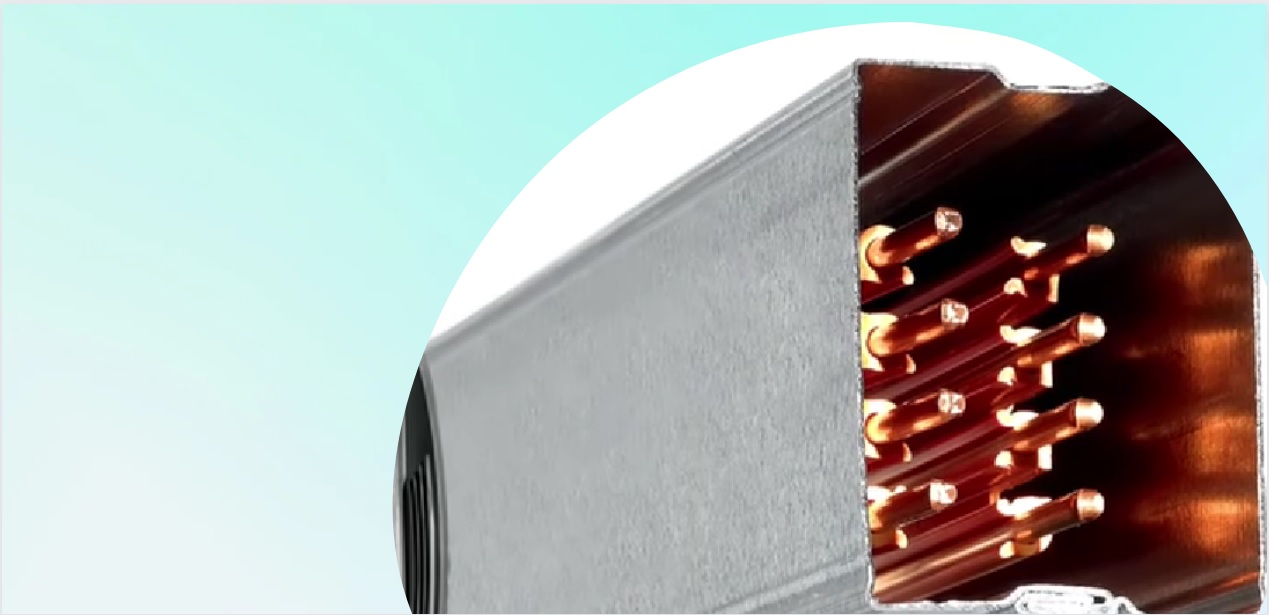
Addressing the cooling side of the equation, USystems, through its ColdLogik Rear Door Heat Exchangers (RDHx) and other cooling solutions, supports thermal management for higher-density data centre environments. This is particularly relevant as AI and high-performance computing increase rack-level power and cooling requirements.
Together, these solutions address three important aspects of capacity management: flexible power distribution, visibility into actual power consumption and cooling readiness. By bringing these capabilities together, Legrand Data Center Solutions helps colocation operators make more informed infrastructure decisions, accommodate evolving tenant requirements and plan for future capacity demands.
When capacity is next on the agenda, consider a different question. Not "how much have we built?" but "how much can we sell this week?"
The gap between those two figures is where the next megawatt may already be waiting.
Planning your next capacity move? Speak to an Infrastructure Specialist.
What is the difference between installed and deployable capacity?
Installed capacity is the power a facility is built to deliver. Deployable capacity is the portion that can actually reach a tenant's racks today, with the distribution, cooling and space to support it. In colocation, only deployable capacity can be sold.
What causes stranded power in a data center?
The most common causes are unused tenant reservations, spare power in the wrong hall or zone, cooling limits at higher densities, overly conservative buffers, and small leftover pockets of capacity spread across racks and rows.
How do you identify stranded capacity?
Compare contracted, allocated and actual power consumption at different levels of the facility, from the incoming supply to the rack and outlet. Where allocated capacity consistently exceeds actual consumption, operators can investigate whether the difference represents recoverable capacity, taking contractual commitments, power distribution, cooling and redundancy requirements into account.
Can stranded capacity be recovered without building new capacity?
Often, at least in part. Better metering and monitoring help operators identify underutilised capacity and understand where it exists. Flexible distribution, such as busway, can provide greater adaptability when accommodating changing tenant requirements, while actual consumption data supports more informed capacity planning and tenant allocation decisions. The extent of recovery depends on existing electrical, cooling, contractual and operational constraints.
How does AI increase the risk of stranded capacity in colocation data centres?
AI workloads require higher rack-level power densities and more demanding cooling infrastructure. This can make fragmented power capacity difficult to utilise, as operators need sufficient power and cooling available together within the same deployment area. As a result, a facility may have electrical headroom but still be unable to accommodate a high-density AI deployment.
What role do intelligent PDUs play in data centre capacity management?
Intelligent PDUs provide rack-level power monitoring, real-time metering and threshold-based alerts, helping operators understand consumption and identify underutilised capacity. DCIM integration enables broader infrastructure visibility, while switched models offer remote outlet control for power management and equipment reboot operations.
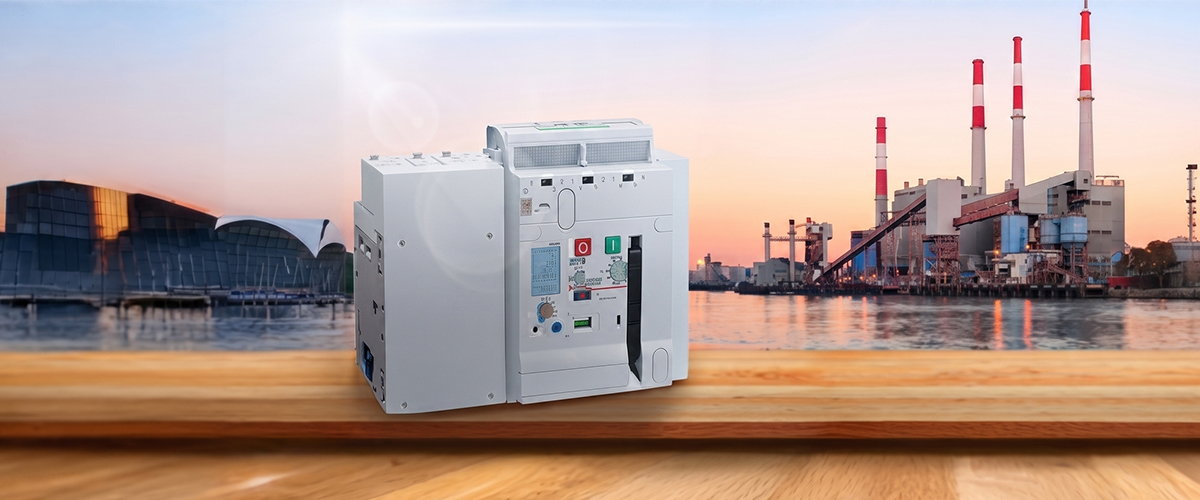
Powering the future: why 1000V AC solutions are the next frontier in sustainable infrastructure?
READ SMART SPACE
How can IoT-enabled lighting scenes improve your circadian rhythm and sleep quality?
READ SMART SPACE
















 Eliot
 LDCS



 Residential
 Commercial
 Hospitality
 Industrials







 Data Center Solutions
 Hyperscale Data Centers
 Edge Data Centers