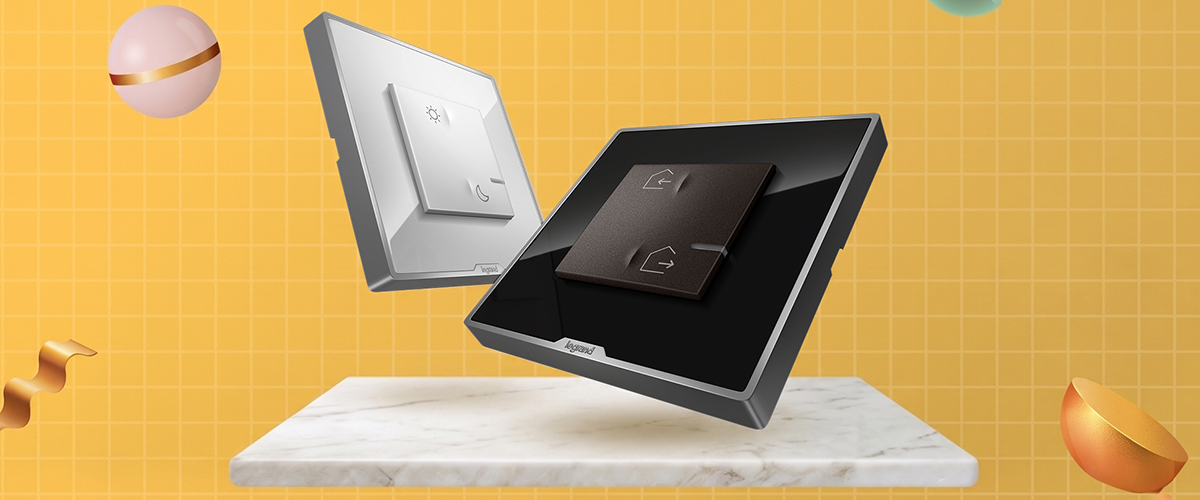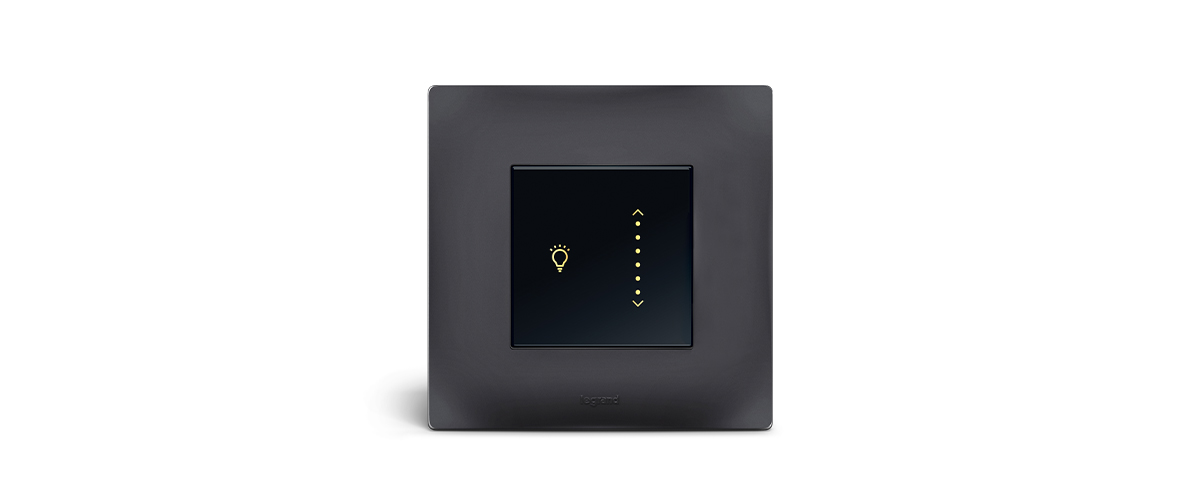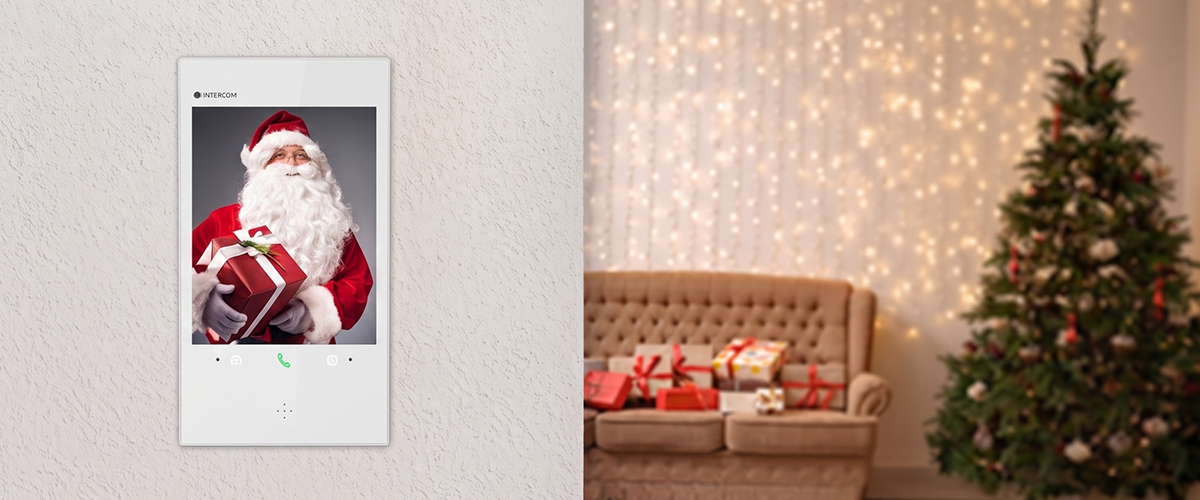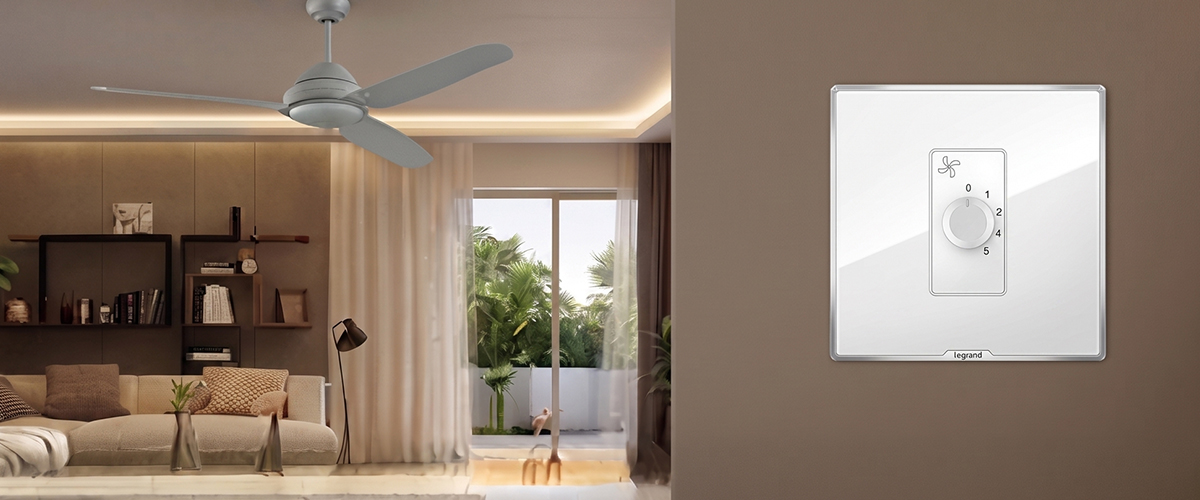

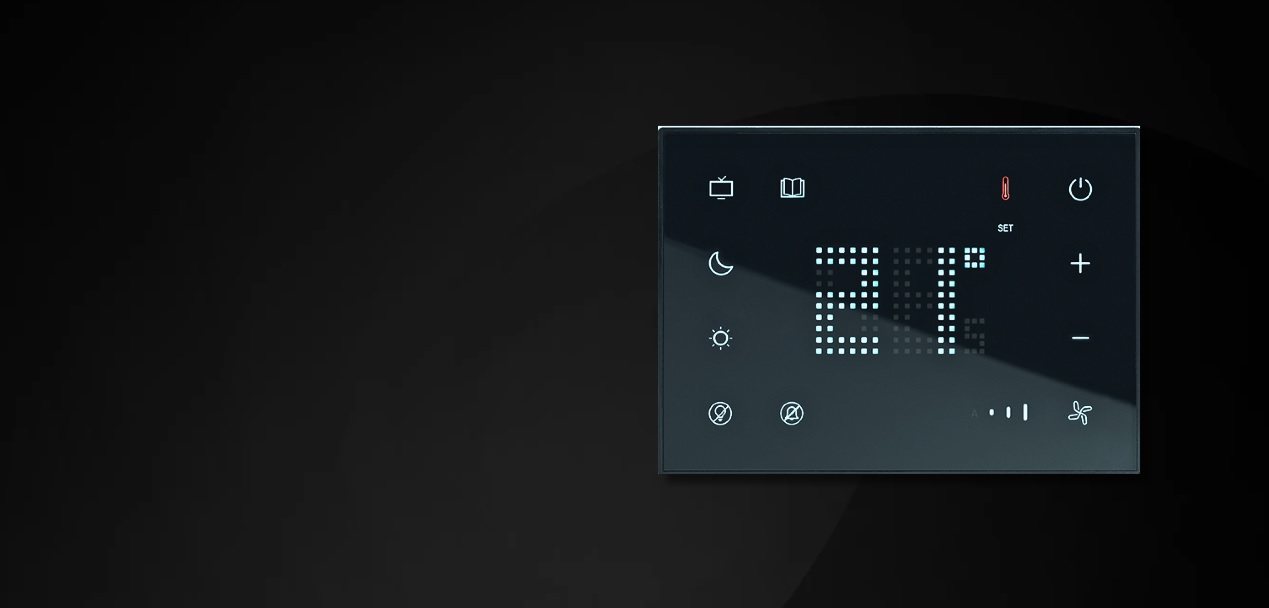
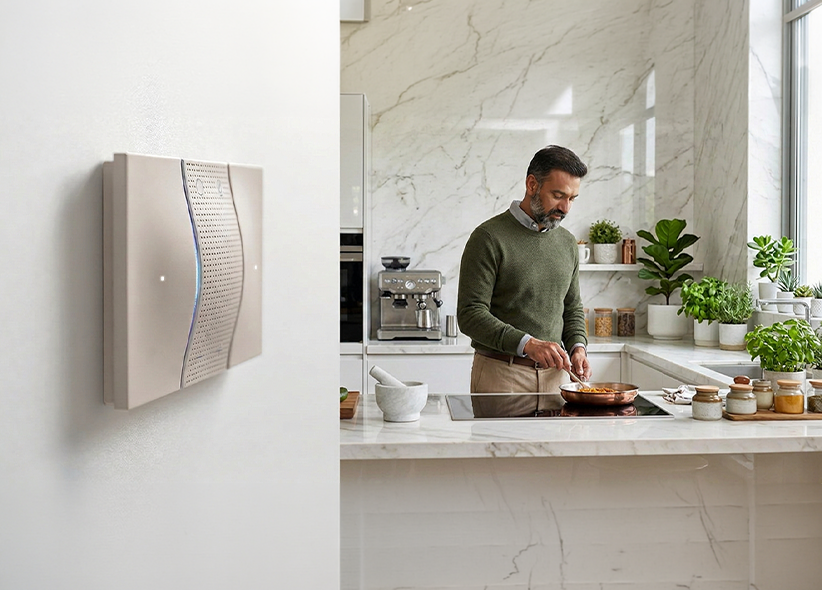
Multifunctions control for scenes control, DND/MUR management and temperature control
KNOW MORE
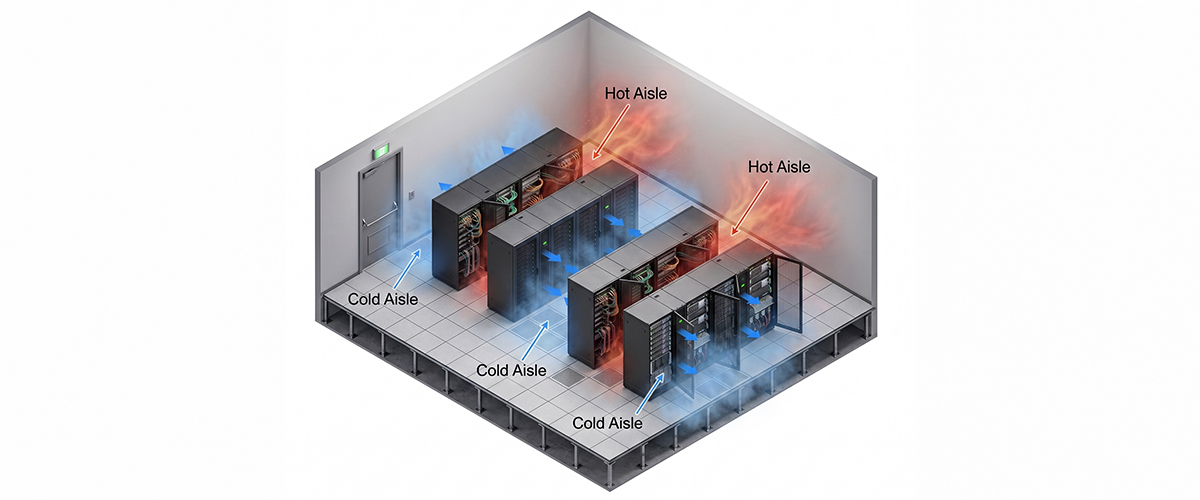
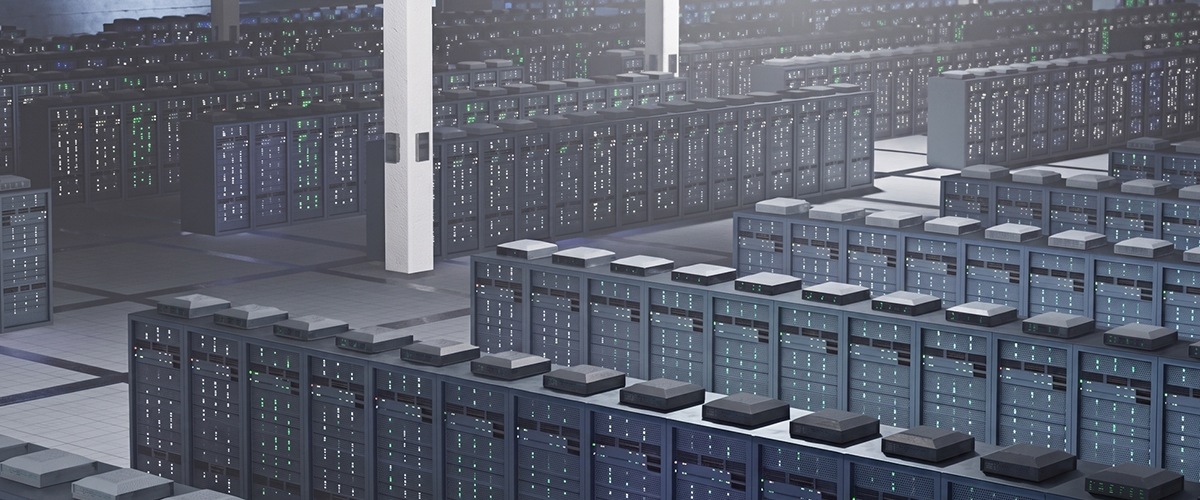
Containment systems with integrated cooling mechanisms to regulate temperature

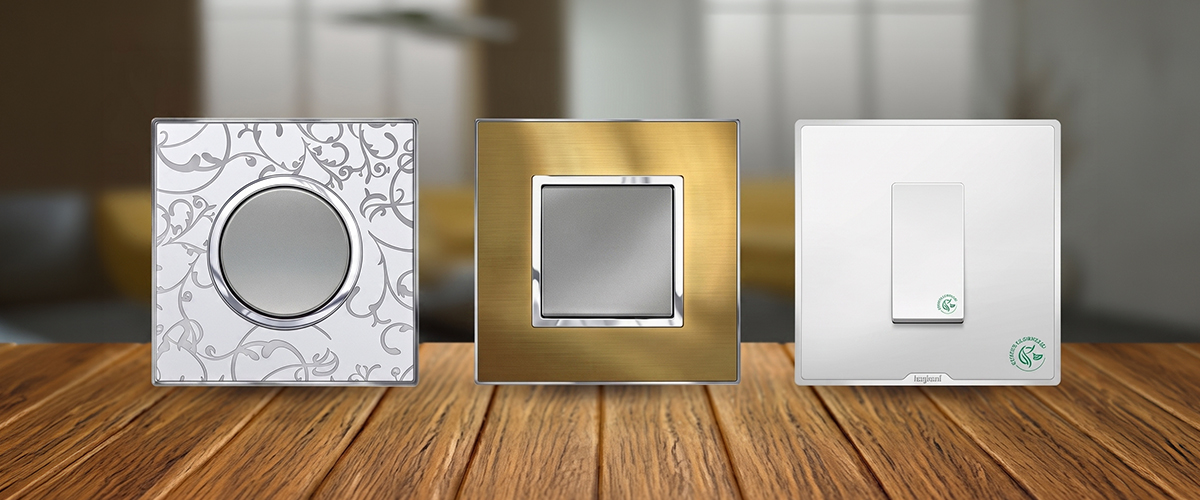
Award-winning Italian design with user-friendly technology

Powering AI and Cloud Computing

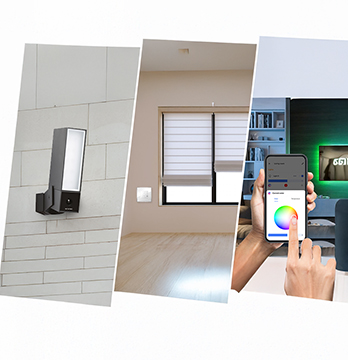
Range of accessories to enrich your living environment with enhanced IoT - based user


In an era where technology seamlessly integrates into our daily lives, home automation has emerged as a cornerstone of modern living. As Indian households increasingly embrace smart technologies, understanding the differences between leading home automation systems is essential. Among the leading solutions are the KNX automation standard and Legrand's MyHOME home automation platform, each offering unique features and benefits tailored for diverse needs.
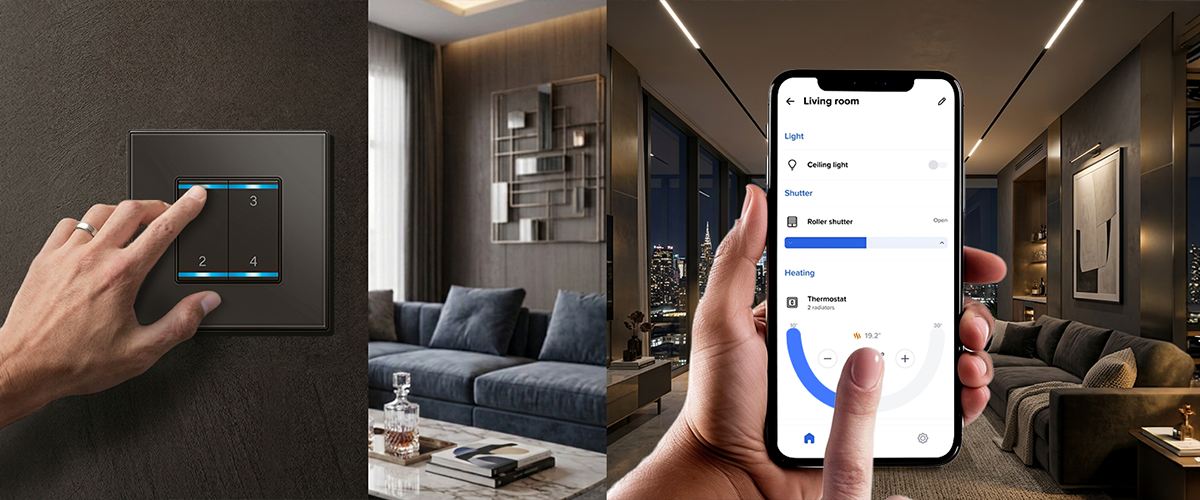
A home automation protocol is a communication standard that enables smart devices to exchange information and work together within a unified ecosystem. Protocols determine how lighting, HVAC, security systems, sensors, and other connected devices communicate. A reliable protocol ensures interoperability, centralized control, and seamless automation experiences. When planning a smart home, the protocol is often more important than the devices themselves because it determines future compatibility and expansion possibilities.
Selecting the right automation protocol during project planning can significantly impact installation costs, long-term maintenance, scalability, and future technology upgrades. For Indian residential and commercial projects, choosing the correct protocol helps maximize ROI, simplify integration, and ensure that the automation infrastructure remains relevant for years to come.
KNX is a globally recognized open-standard automation protocol used for residential, commercial, and industrial buildings. It enables communication between devices from multiple manufacturers within a single automation ecosystem.
Want a complete smart home ecosystem
Open Protocol: Supports devices from multiple manufacturers
Scalability: Suitable for small homes to large commercial buildings.
Reliability: Dedicated communication infrastructure ensures stable performance
Energy Efficiency: Helps optimize lighting, HVAC, and energy consumption.
Future-Proof: Widely adopted global standard with long-term support.
KNX uses a dedicated communication bus that allows lighting, climate control, security, shading systems, and energy management devices to communicate efficiently. The decentralized architecture ensures reliability even if individual devices fail.
Luxury Villas
Hotels & Resorts
Commercial Buildings
Smart Offices
Large Residential Projects
MyHOME is Legrand's integrated home automation platform designed primarily for residential applications. It combines intelligent control with ease of use, making smart living accessible for homeowners.
MyHOME connects lighting, climate control, shutters, security, and energy management into a unified ecosystem managed through Home + Control, HomeTouch, compatible voice assistants, and dedicated control interfaces.
Integrated ecosystem
Easy installation
User-friendly controls
Smart lighting automation
Security integration
Energy management capabilities
Apartments
Independent Homes
Premium Residences
Smart Residential Projects
| Feature | KNX | MyHOME |
|---|---|---|
| Architecture | Open Standard | Integrated Residential Automation Platform |
| Scalability | Excellent | High (Residential Projects) |
| Device Ecosystem | Multi-Vendor | Legrand Ecosystem |
| Integration Options | Extensive | Comprehensive Residential Integration |
| Customization | Highly Flexible | User Friendly |
| Installation Complexity | Higher | Lower |
| Maintenance | Low | Low |
| Cost | Higher Initial Cost | More Budget Friendly |
| Future Expansion | Excellent | Good |
| Suitable Project Size | Large & Complex Projects | Residential Projects (Apartments to Luxury Villas) |
KNX generally requires higher installation costs due to specialized wiring, programming, and commissioning requirements. MyHOME offers a more streamlined installation process suitable for residential projects.
KNX projects require professional ETS programming and configuration, whereas MyHOME uses dedicated configuration tools designed to simplify commissioning for residential automation projects.
Both systems offer low maintenance requirements, but KNX may require specialized technical expertise for advanced modifications.
Although KNX has a higher initial investment, its scalability and long lifecycle often result in better long-term value. MyHOME provides excellent cost efficiency for residential projects.
Smart home technologies continue to evolve rapidly. Selecting a platform that supports future innovations helps protect long-term investments.
Both KNX and MyHOME support integration with modern IoT ecosystems, enabling smarter and more connected living environments.
KNX offers extensive scalability suitable for large and complex automation projects.
KNX provides superior flexibility for future upgrades, whereas MyHOME offers a simplified upgrade path within its ecosystem.
KNX provides superior flexibility for future upgrades, whereas MyHOME offers a simplified upgrade path within its ecosystem.
KNX is well suited for highly scalable, complex automation projects including luxury villas, hotels, commercial buildings, and smart offices. MyHOME is ideal for residential projects that prioritize ease of use, intelligent control, and streamlined installation.
Before selecting a protocol, evaluate your project goals, budget, future expansion requirements, and long-term automation strategy.
Ready to build a future-ready smart home? Explore Home Automation Solutions
What is the difference between KNX and MyHOME?
KNX is an open-standard automation protocol that supports devices from multiple manufacturers, while MyHOME is Legrand's integrated home automation platform designed primarily for residential projects.
Which is better for a luxury villa in India?
KNX is generally preferred for luxury villas requiring extensive customization and multi-vendor integration, while MyHOME is well suited for premium residential projects built around the Legrand ecosystem.
Is KNX an open protocol?
Yes. KNX is an internationally recognized open-standard protocol that enables interoperability between devices from different manufacturers.
Is MyHOME suitable for apartments?
Yes. MyHOME is highly suitable for apartments and residential projects because of its ease of installation, user-friendly controls, and integrated smart home features.
Which automation system is easier to expand later?
KNX generally offers greater long-term scalability and expansion flexibility, while MyHOME provides simpler expansion options within the Legrand ecosystem.
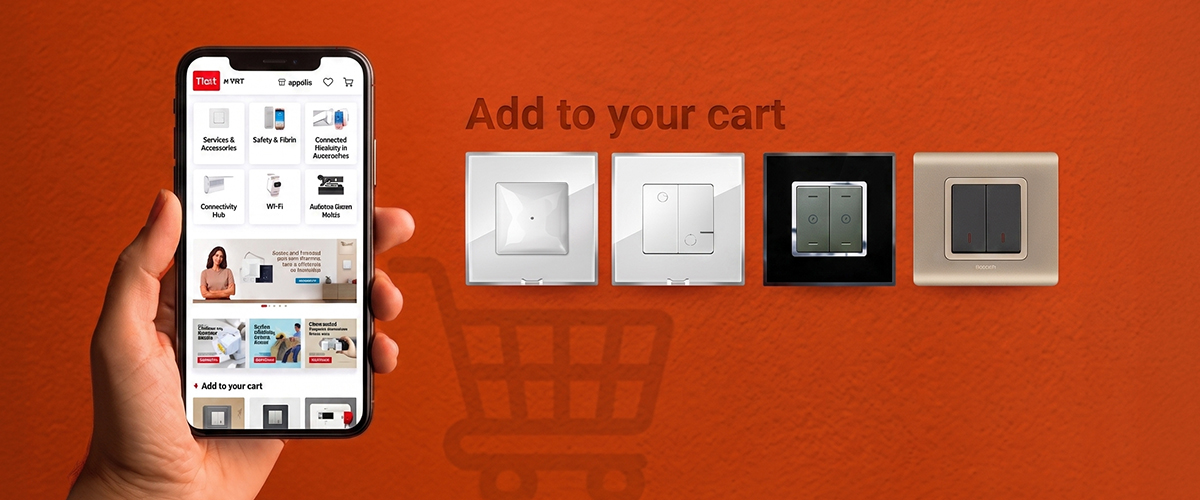
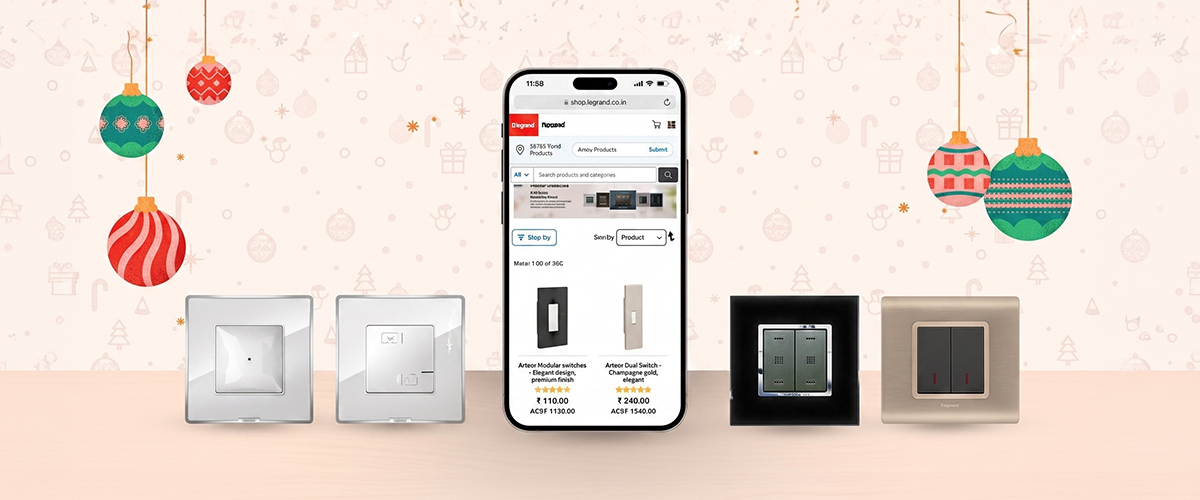
Start the year smart: buy switches online to revolutionize your 2025 lifestyle
READ SMART SPACE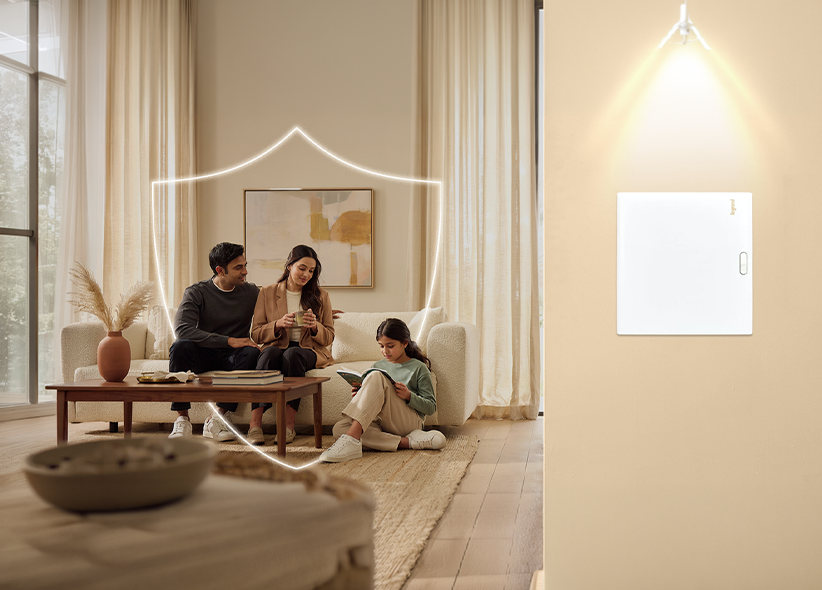
Is Your 10-Year-Old Distribution Board Still Safe for Modern Homes?
READ SMART SPACE













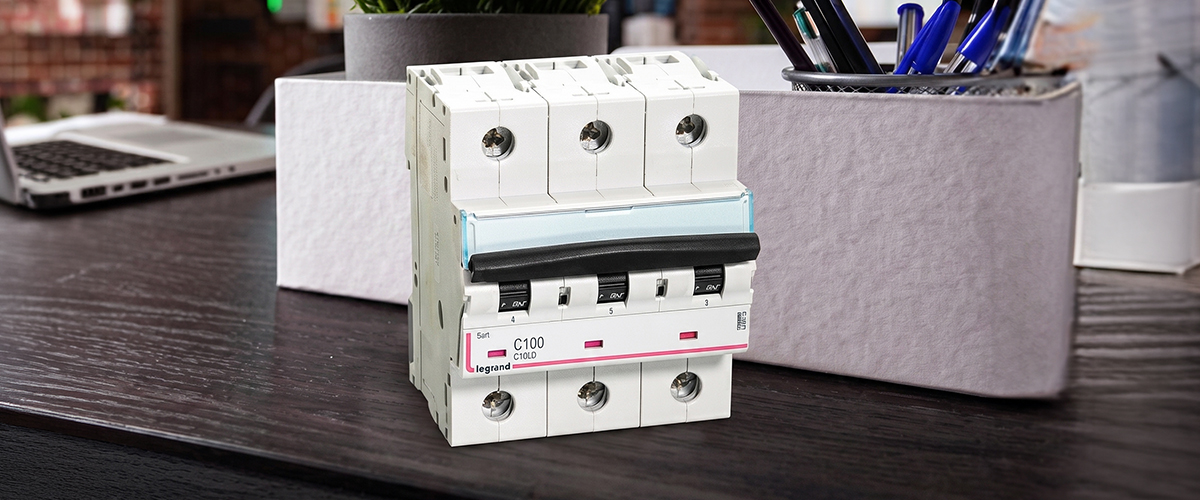
 Eliot
Eliot LDCS
LDCS
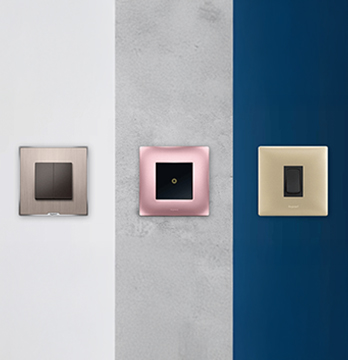
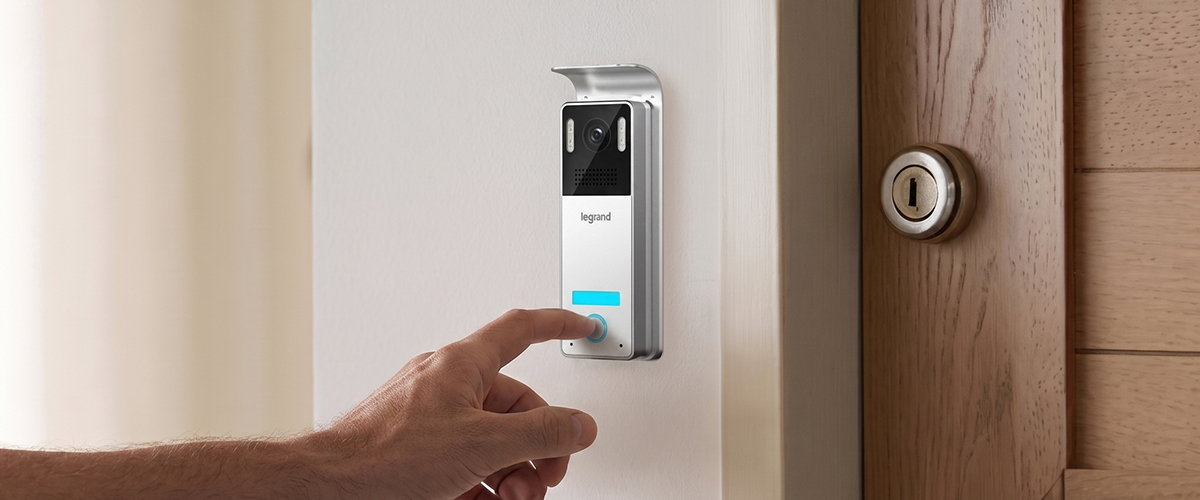
 Residential
 Commercial
 Hospitality
 Industrials

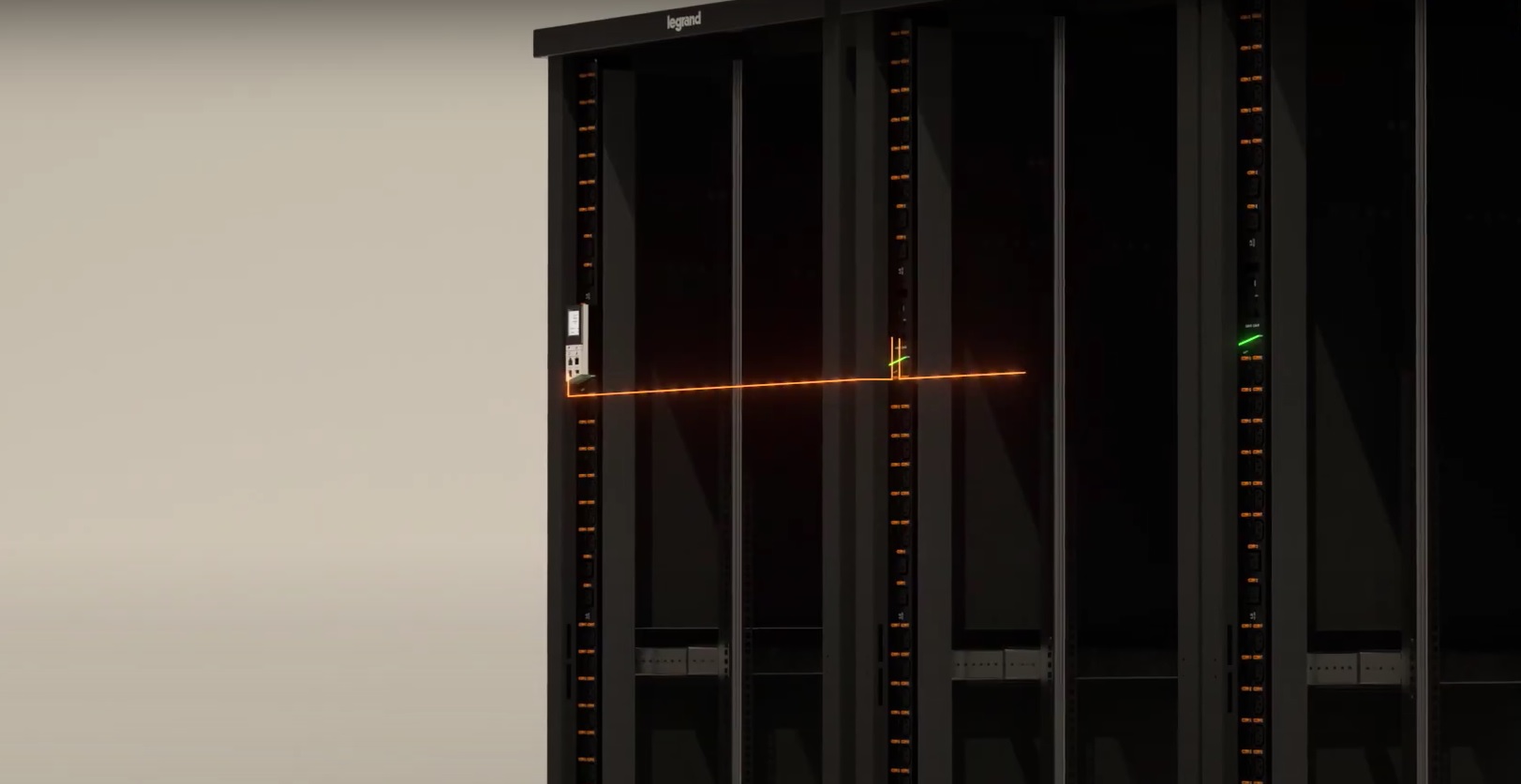




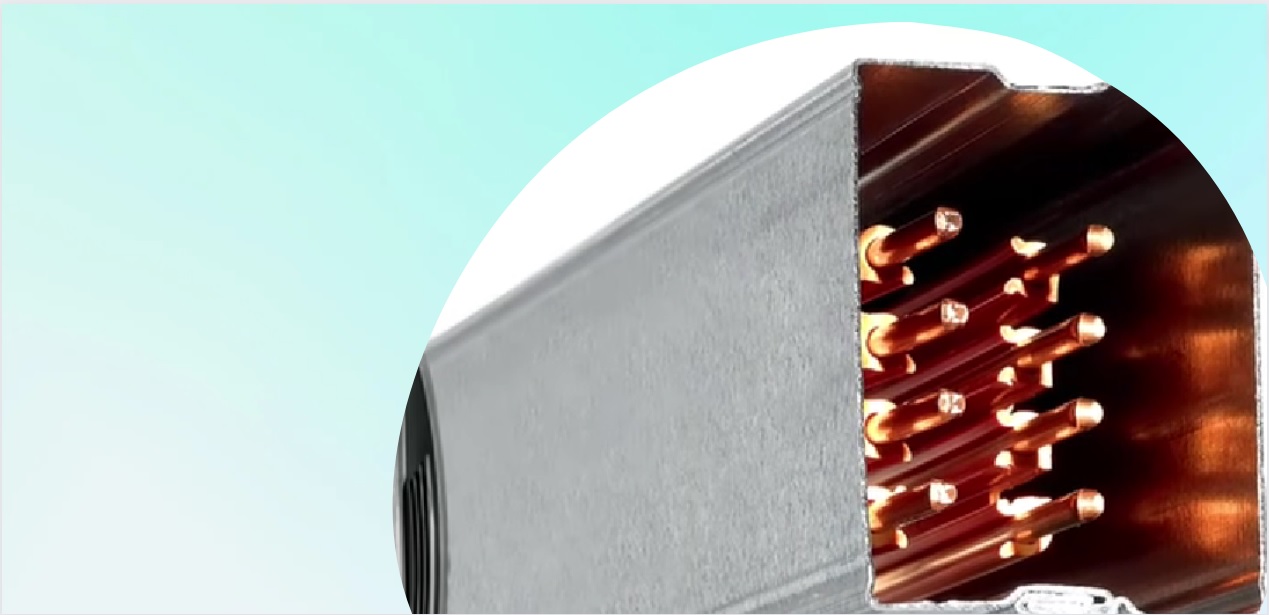
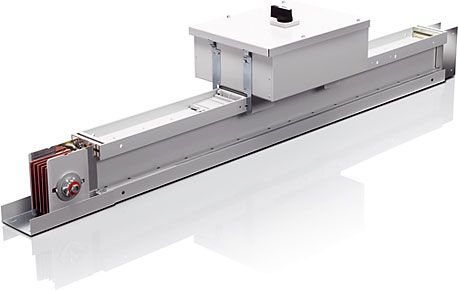
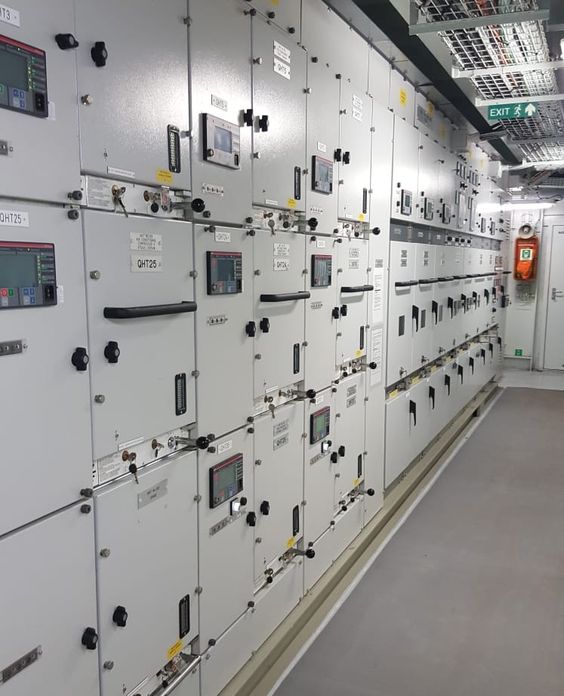
 Data Center Solutions
 Hyperscale data centers